
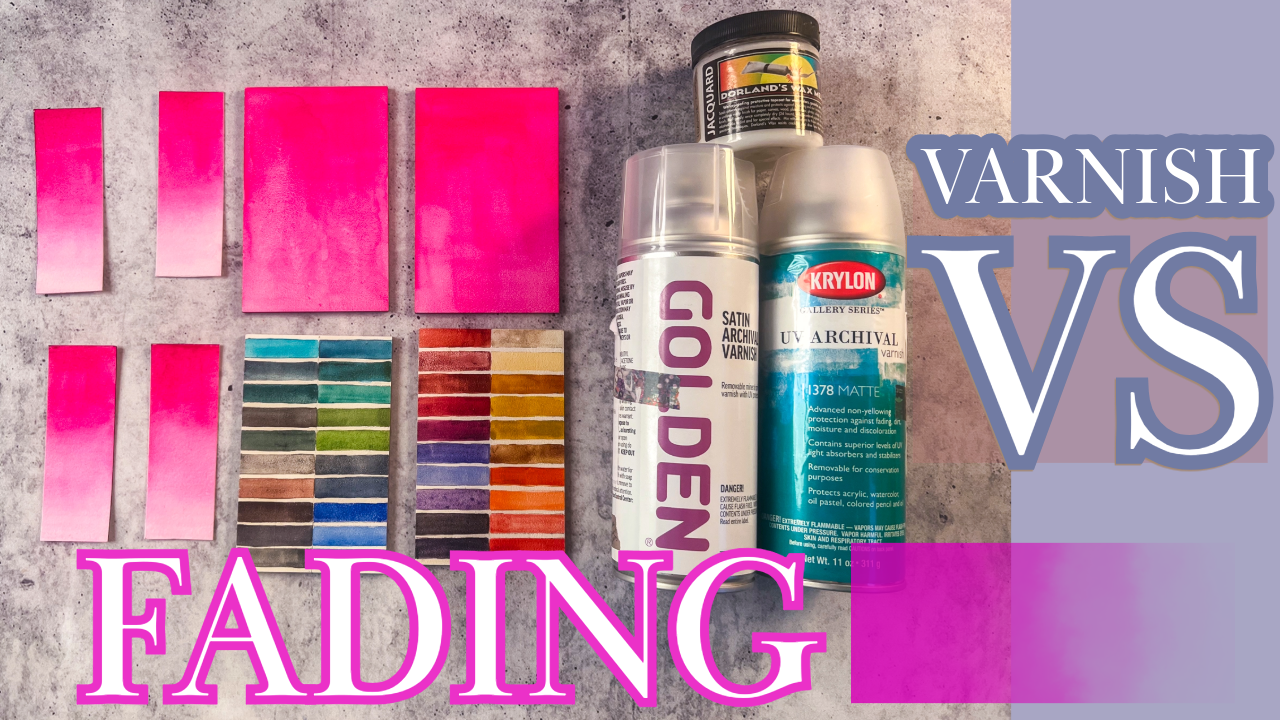
Opera Pink. Will It Fade? A Long-Term Window Test
Opera Pink is known to fade. Instead of speculating, I set up a long-term window test on paper and Aquabord with varnish and wax. This post documents the setup and what I am watching over time.
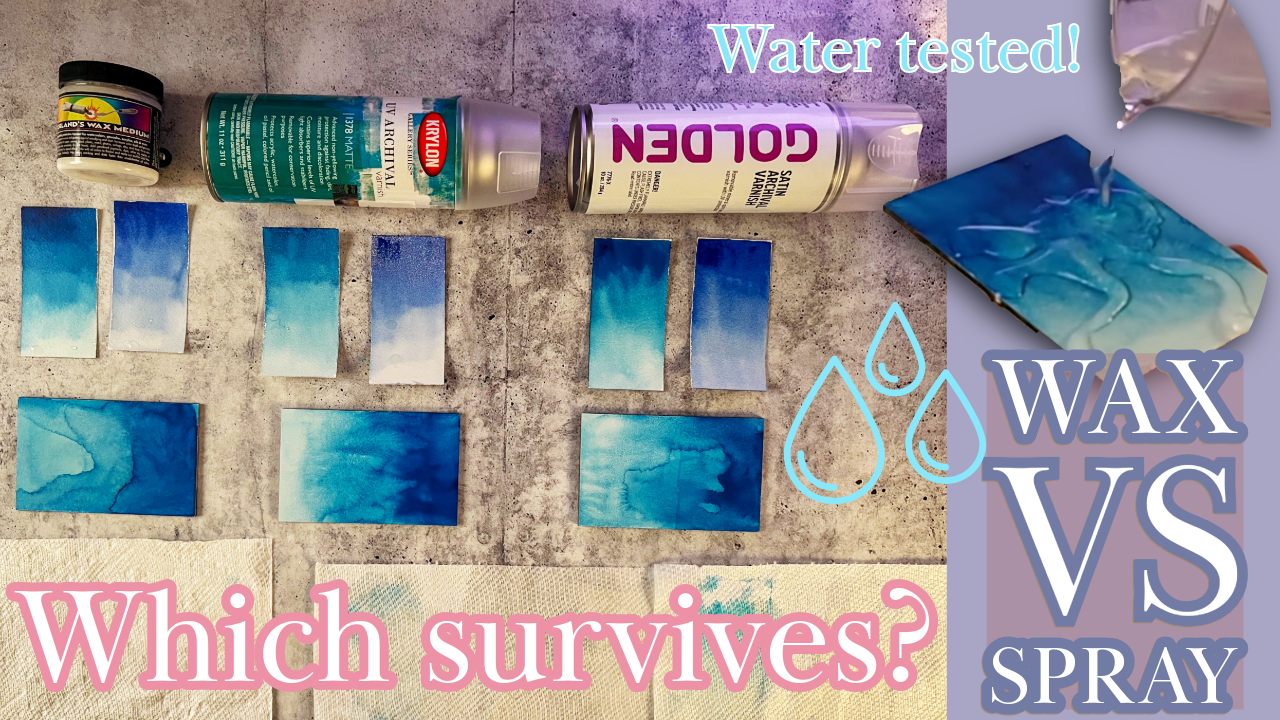
Stop Ruining Your Watercolors: Testing Dorland’s Wax vs Spray Varnish
Varnish can protect a watercolor painting or quietly alter everything about it. I tested Dorland’s Wax and archival sprays on paper and Aquabord to understand what actually changes, what survives water, and what I would use in my own studio.
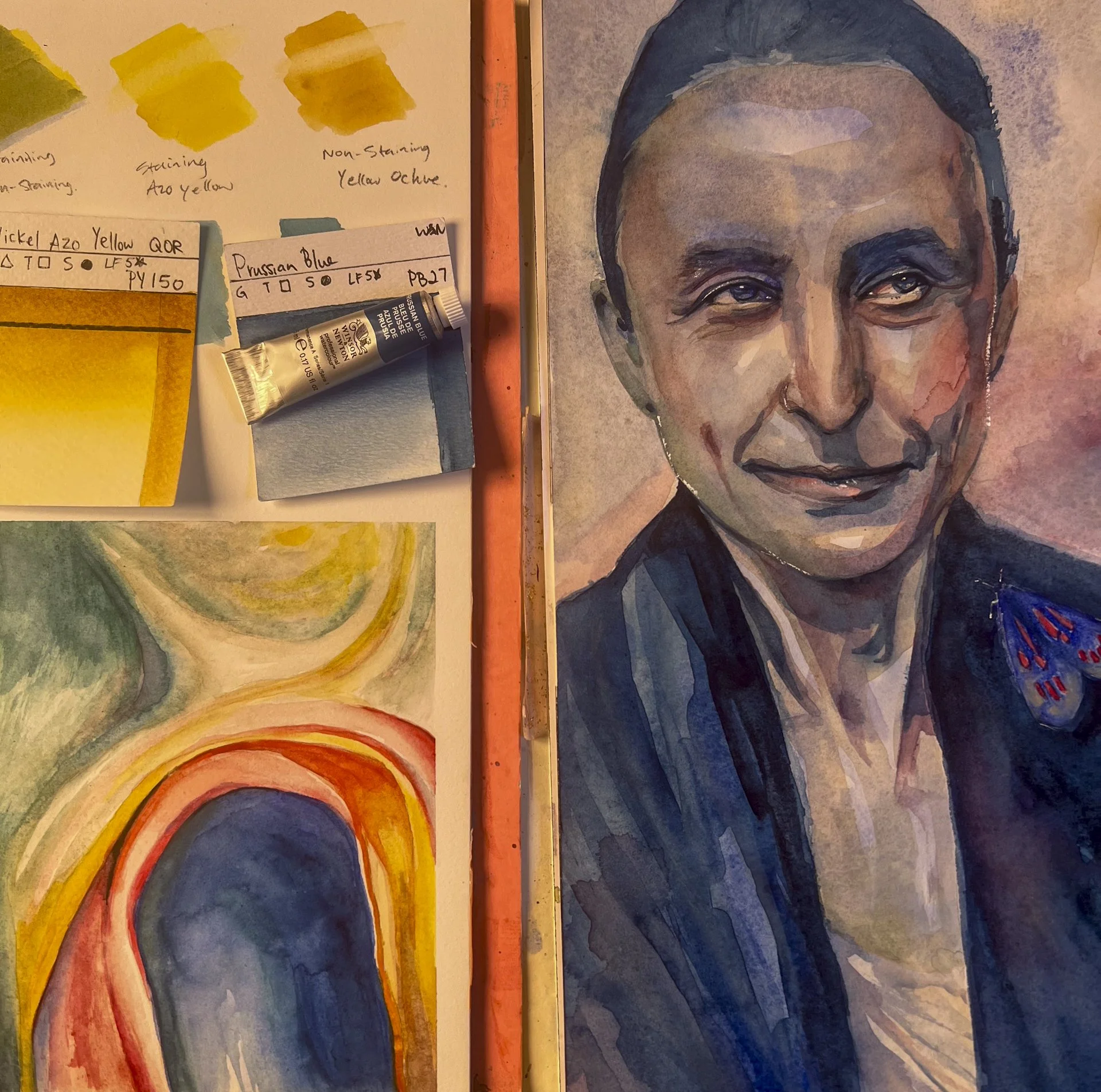
Staining First, Then Liftable: What a Georgia O’Keeffe Study Taught Me About Glow
In watercolor, glow is not only about color. It is about where pigment sits in the paper. For this O’Keeffe portrait, I reversed the usual layering order to see what would happen.
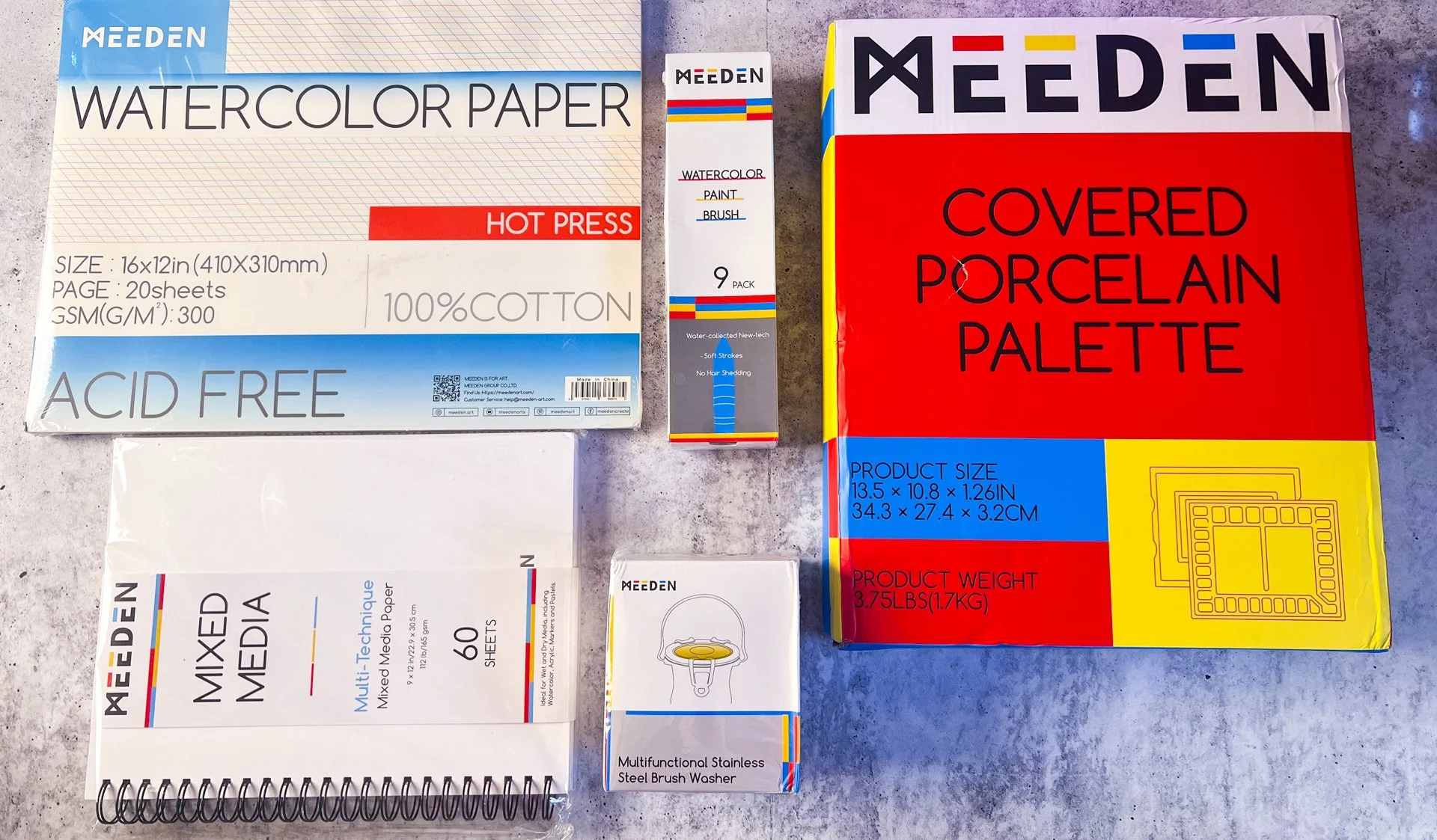
What Actually Survives My Studio: Testing MEEDEN Watercolor Supplies
A calm, studio-based look at how I test art supplies in real conditions. What stayed, what didn’t, and why fit matters more than hype.
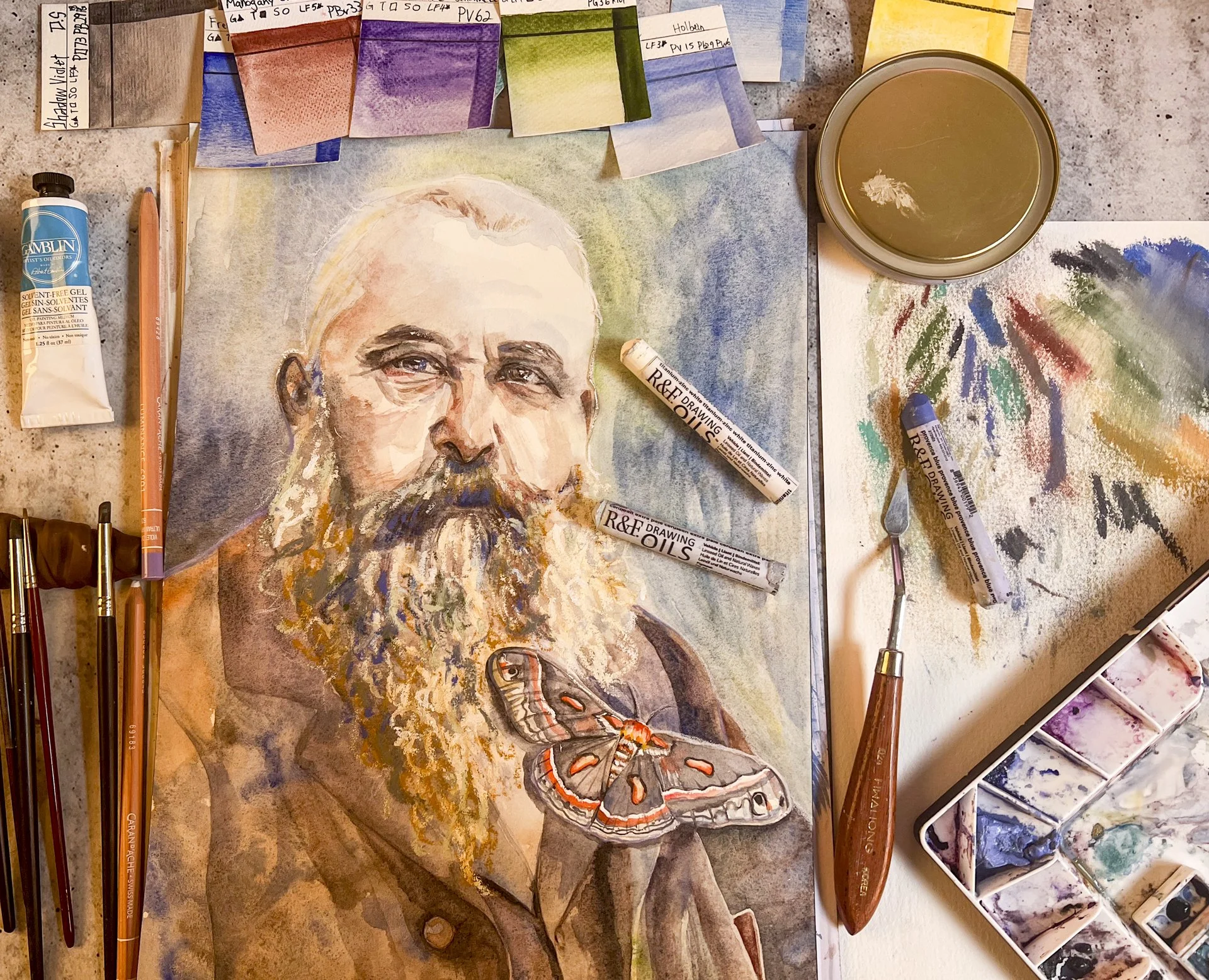
Reimagining Monet: What I Learned Mixing Watercolor and Drawing Oils
A studio reflection on testing a rule I’d long accepted. What mixing watercolor and drawing oils taught me about material boundaries, risk, and paying closer attention.

Child, Blossom: Painting Through a Pause in Parenthood
A moment at daycare stayed with me longer than I expected. This painting began not with certainty, but with hesitation, reflection, and the slow work of paying attention.
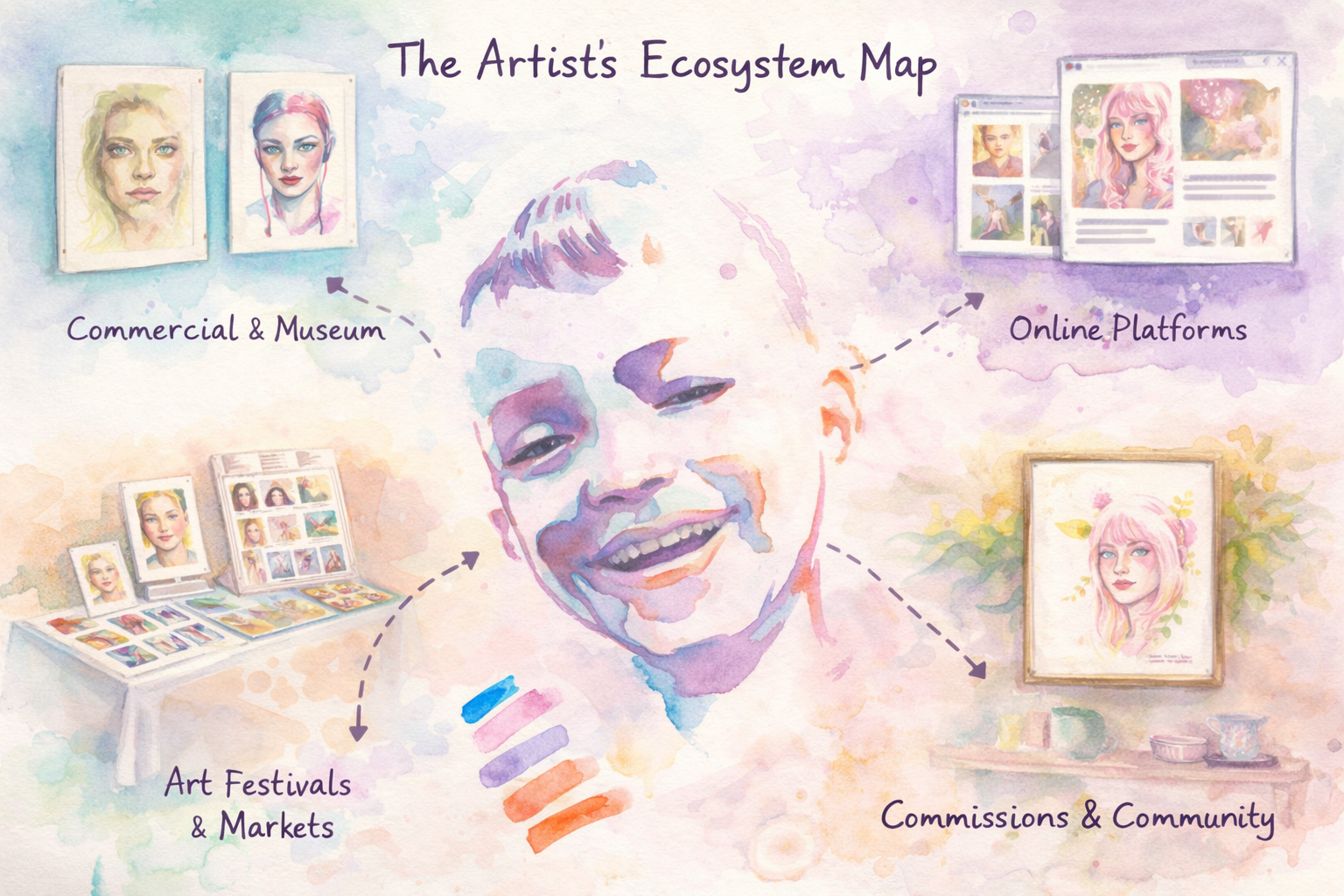
The Artist's Ecosystem Map: Where and How to Share Your Work
Not all art wants the same life. This guide maps the different ecosystems where artwork can live, from galleries and museums to commissions and online spaces, helping artists choose where to share their work based on fit, energy, and values rather than pressure.

🎨 Can You Really Track Artistic Growth?
Can artistic growth really be tracked, or is it too subjective to measure? Instead of focusing on numbers or output, this essay explores how artists can build their own version of art school through attention, reflection, and intentional practice. Growth leaves traces if you learn how to notice them.
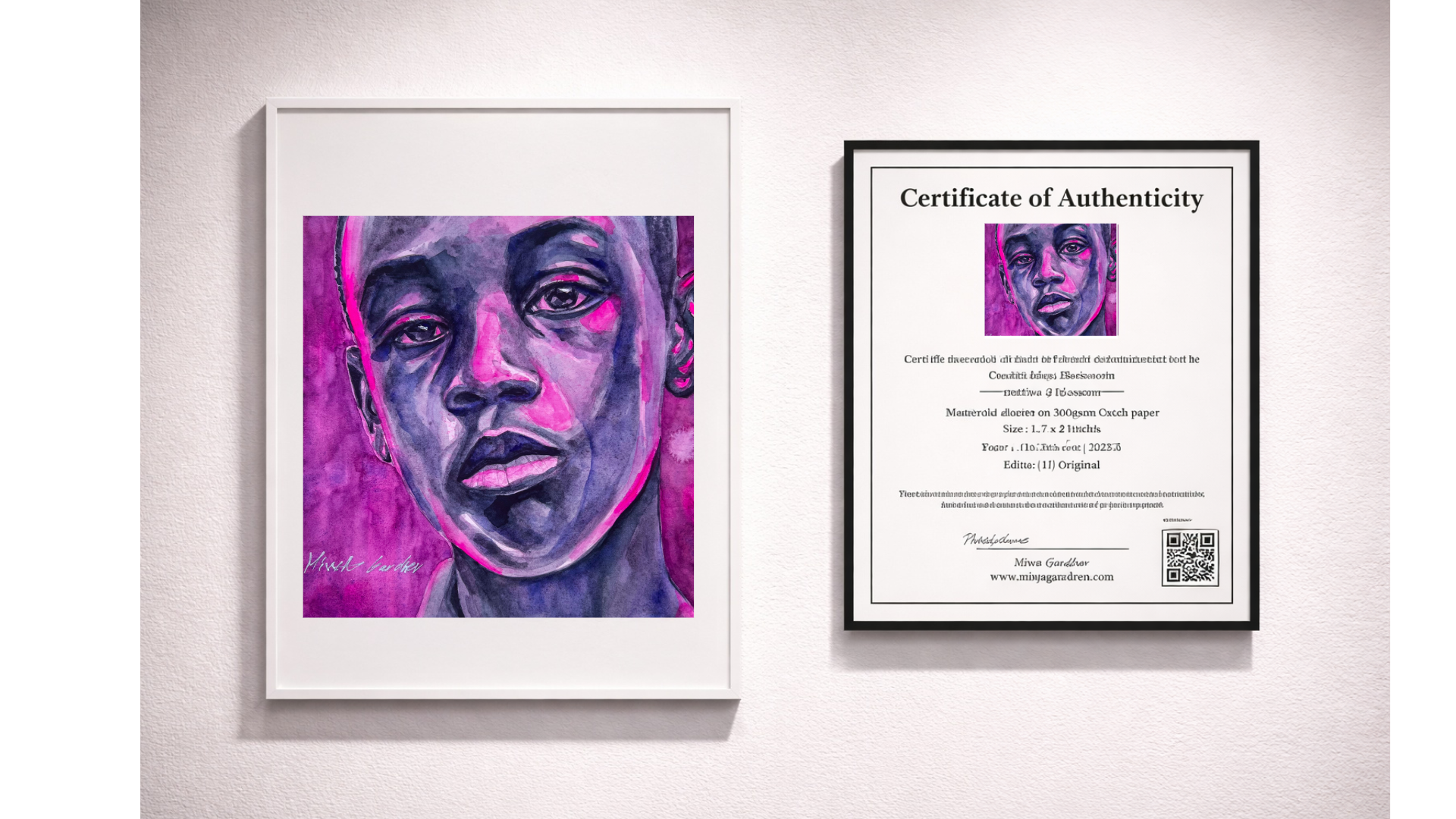
How to Create a Certificate of Authenticity (And Why I Started Using One)
A Certificate of Authenticity isn’t about formality. It’s about care. Here’s how I approach COAs in my own practice, and why they became part of how I send work into the world.
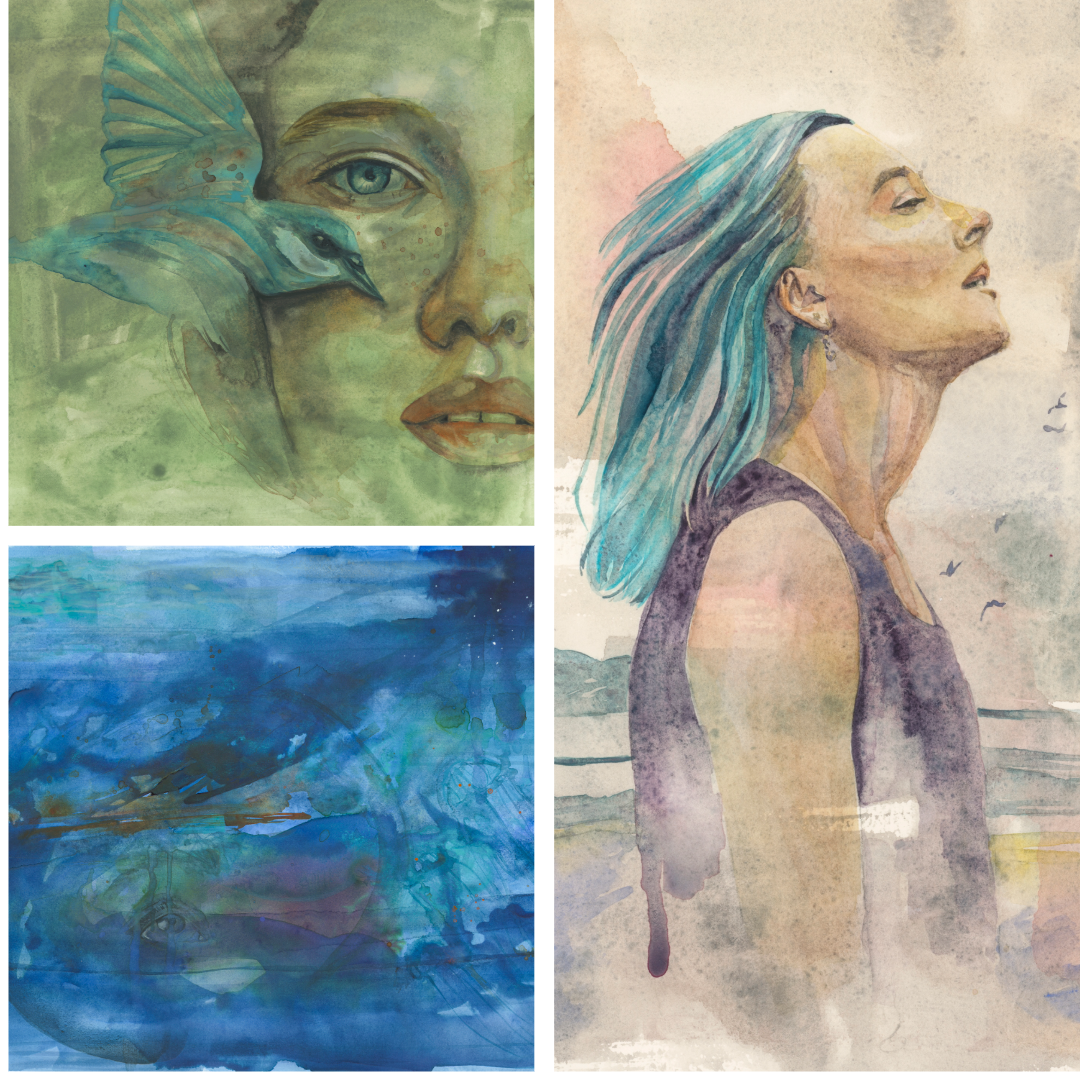
How to Define Your Art Style (And Why It Matters)
Defining your art style isn’t about labels or limits. It’s about giving others a way to recognize what’s already consistent in your work, and giving yourself language for how you see.
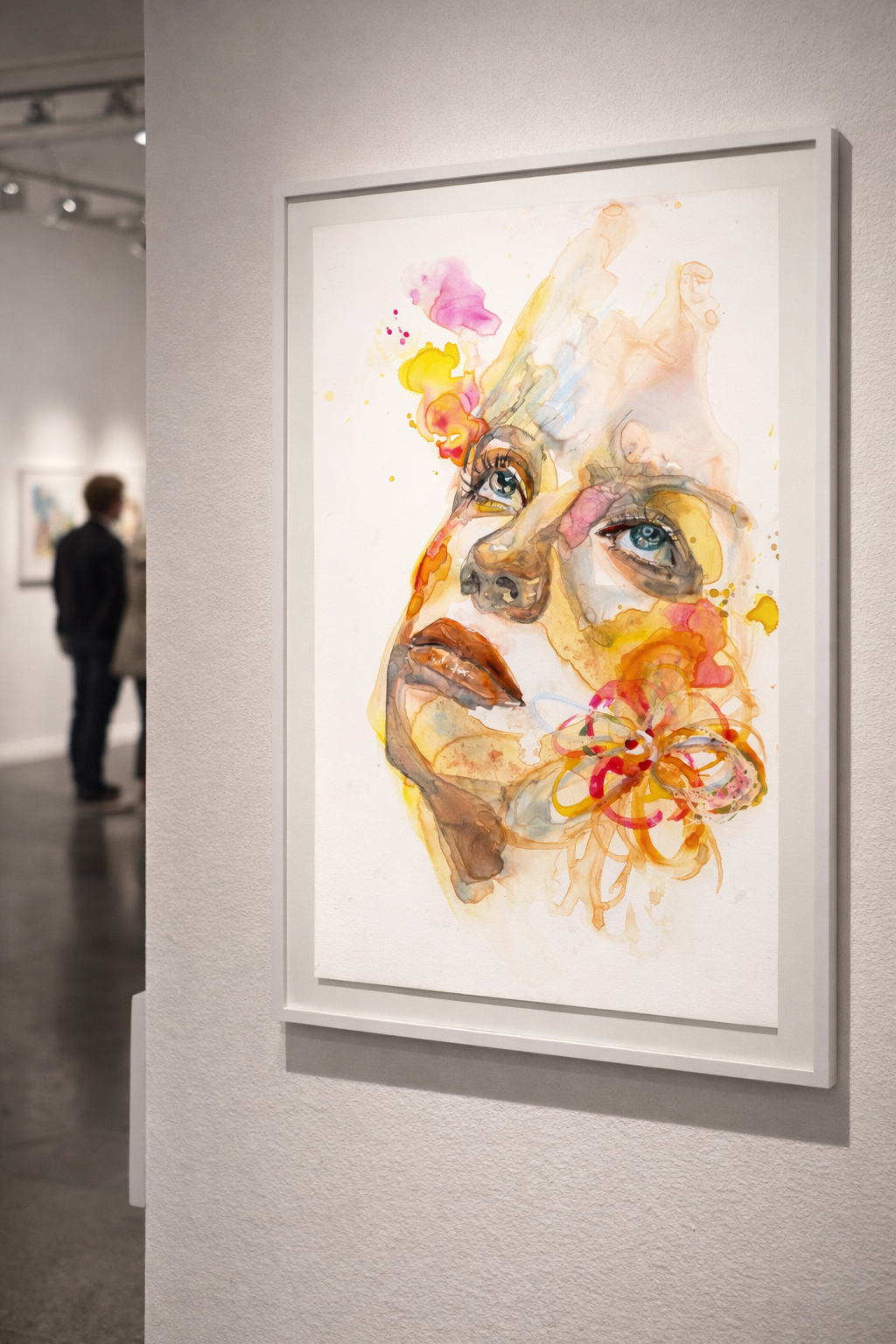
What I Took Away From the #222magnetic Challenge (And What It Clarified About My Work)
I joined the #222magnetic challenge to refine how I talk about my work. What I didn’t expect was how clearly it reflected patterns I was already building, but hadn’t fully named yet.
What Is an Artist Statement? (And How It Actually Helped Me)
Artist statements aren’t just for galleries. In this reflective guide, I share what an artist statement really is, why it matters, and how writing one helped me understand my own work more deeply.

The Power of Artist Friends: How They Helped Me Grow as a Painter
Artist friends don’t just offer critique — they help you stay in the work. From shared painting sessions to long-term dreams, this essay reflects on how creative connection shaped my growth as a painter.

Bodies of Work, Series, and One-Offs in Fine Art Painting
In the fine art world, painters aren’t just making random standalone pieces—they’re building bodies of work. This article breaks down what “body of work,” “series,” and “one-offs” really mean, how artists like Christian Hook and Nick Alm use them, and how you can shape a cohesive, evolving practice of your own.

Emerging, Mid-Career, and Established: What Do These Artist Labels Really Mean?
Artist labels like “emerging,” “mid-career,” and “established” show up everywhere—open calls, residencies, grant applications. But what do they actually mean? In this post, I break down how the art world uses these terms (and how flexible they really are), with examples from artists like Kelogsloops, Agnes Cecile, and Christian Hook. Whether you're new to painting or deep into your practice, this guide will help you understand where you are on your journey—and why the labels matter less than you think.

Can You Paint Like Picasso… Without Watercolor Paper?
When watercolor isn’t on paper, everything about the process shifts — control, patience, even emotion. Here’s what I discovered while painting like Picasso on Aquabord, copper, and hot press paper.

What I Learned from Reimagining Klimt’s Golden World
What makes Gustav Klimt’s gold shimmer so unforgettable? In this Masters Reimagined study, I spent 40+ hours testing real gold leaf, imitation leaf, and metallic paints on watercolor paper. From adhesive timing to archival concerns, here’s what I learned about adapting Klimt’s techniques into watercolor — and why texture, patience, and even failure matter as much as the gold itself.

🎨 Fugitive Watercolors and Their Permanent Dupes
Some of watercolor’s most beloved colors — like Opera Pink and Moonglow — are also the least permanent. I tested these fugitive pigments and created lightfast dupe mixes so you can keep the look without the fade.

Synthetic Ox Gall in Watercolors: Which Brands Use It and Why It Matters
I’ve been experimenting with synthetic ox gall in both watercolor and gouache, from Holbein’s stiff granulating colors to smoky Lunar Black washes. What could have been technical “problems” — pigments resisting, spreading, or granulating too much — turned into expressive choices. In this post I share what synthetic ox gall does, which brands include it, and how it shaped my recent Dalí-inspired studies.

I Tested over 250 Paints in the Sun and the Results Are Shocking!
In January 2024, I taped 250 watercolor swatches from over ten brands to a sunny window in Munich. Seven months later, I took them down — and the results were shocking.
Some paints stayed strong, but others — even ones labeled “excellent lightfast” — faded badly. This real-world test revealed which pigments can truly stand the test of time, and which ones might let you down.