
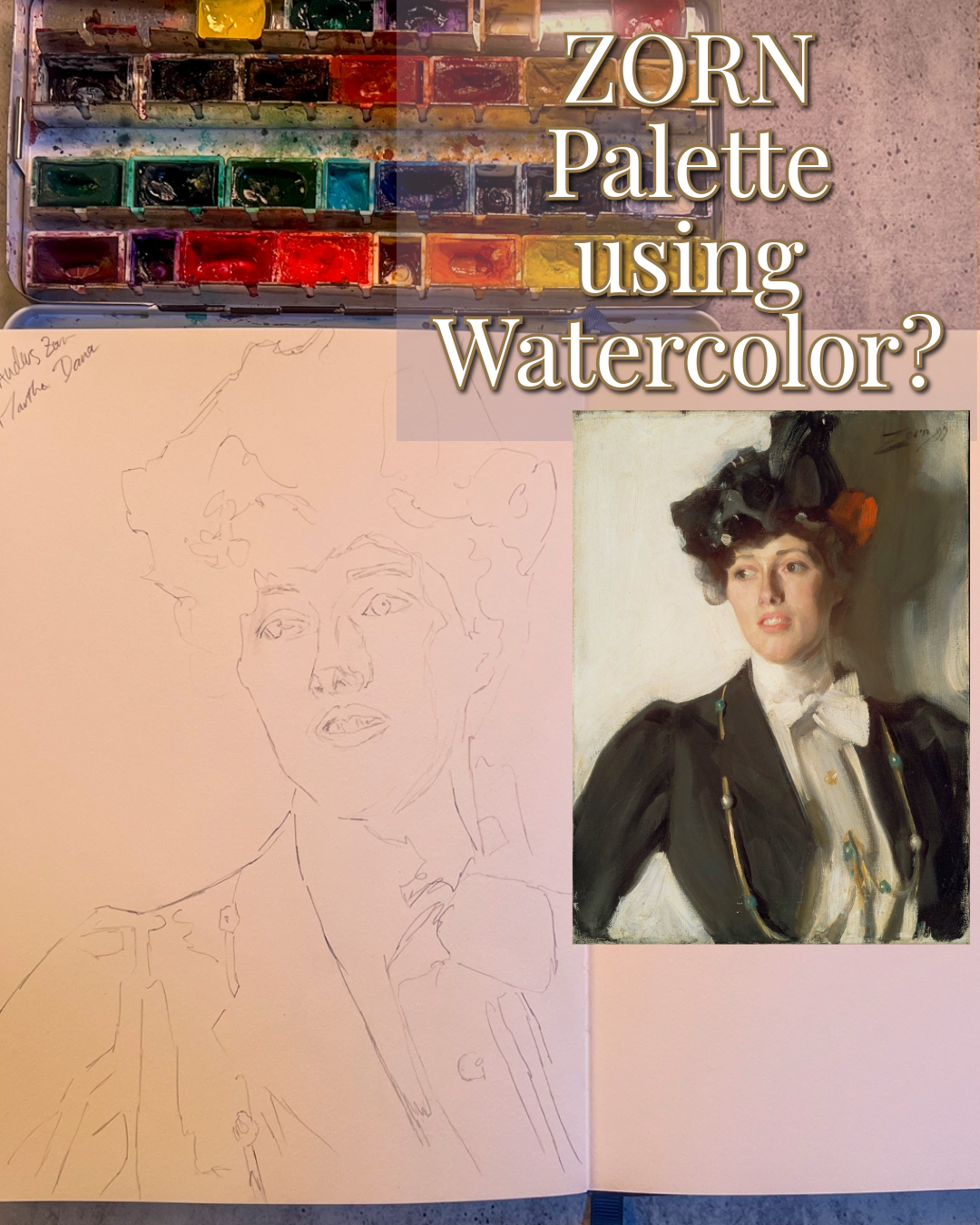
What I Learned Painting Zorn’s Martha Dana With a Limited Watercolor Palette
I painted Anders Zorn’s Martha Dana using Yellow Ochre, Cadmium Red Light, Ivory Black, and white gouache. Here’s what I learned about translating the Zorn palette from oil into watercolor, including the surprising role of white.
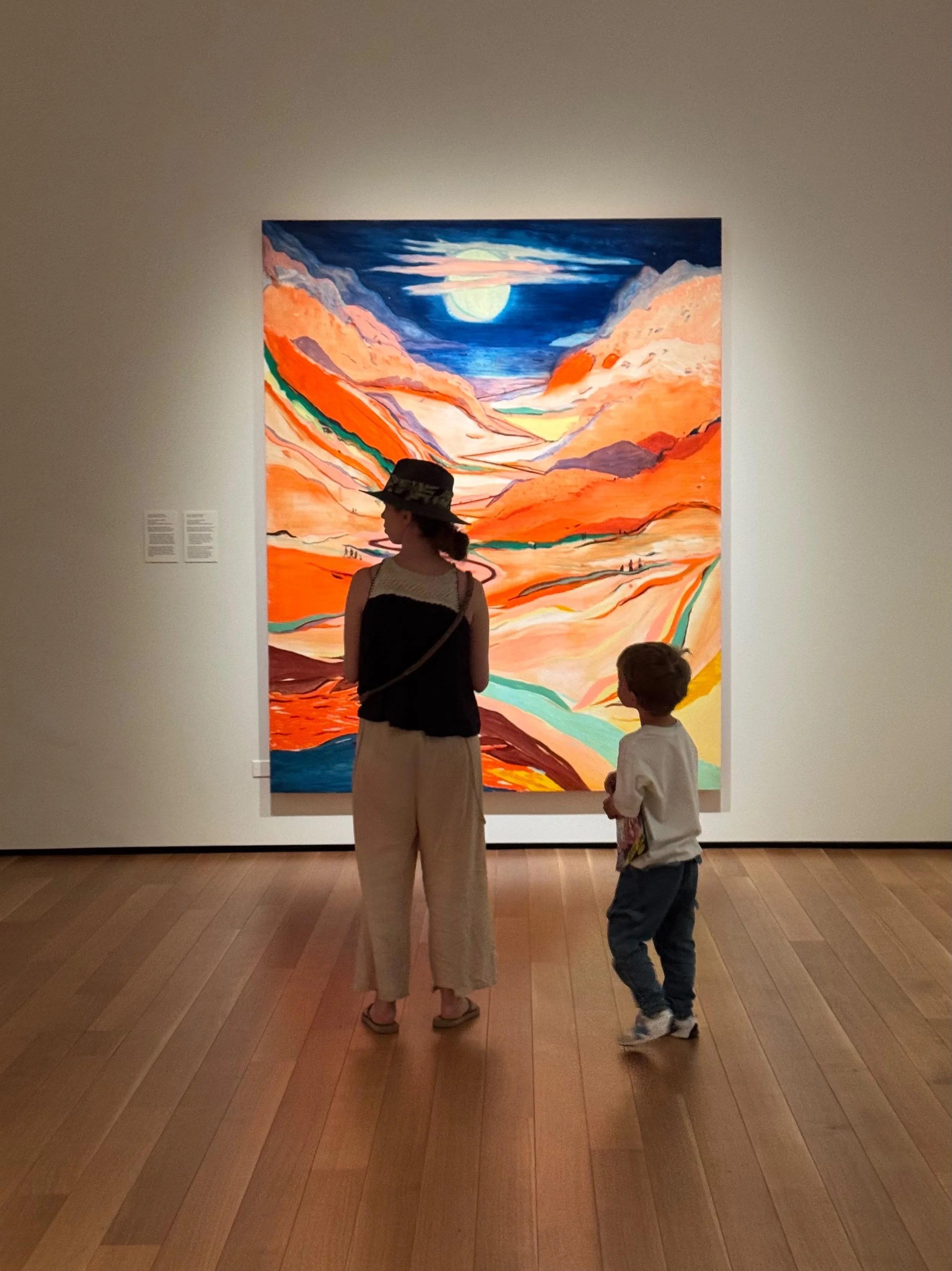
What I Brought Home From Santa Barbara as an Artist
Six artworks—and six ideas—that followed me home from Santa Barbara, from restraint and unfinished marks to built surfaces, embossing, pearls, and the unexpected possibilities of paper.
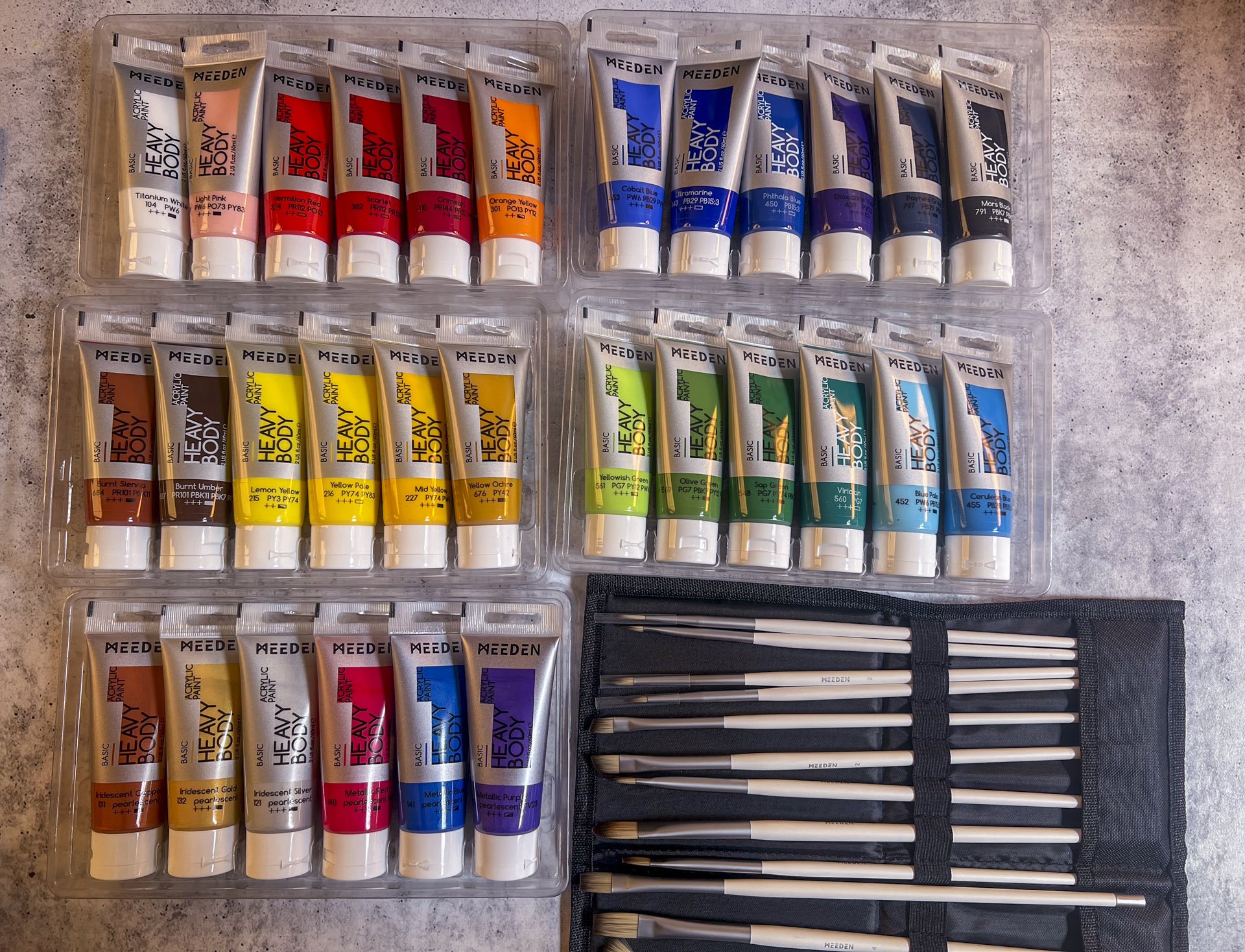
MEEDEN Acrylic Paint Review: Lightfast Test + First Impressions
I avoided acrylic paints for years because I thought they weren’t for me — until curiosity finally won. In this Artist Lab experiment, I’m testing MEEDEN Heavy Body Acrylics for lightfastness, handling, and whether they can become part of my portrait practice alongside watercolor and oils. Follow along as I document the results over time.
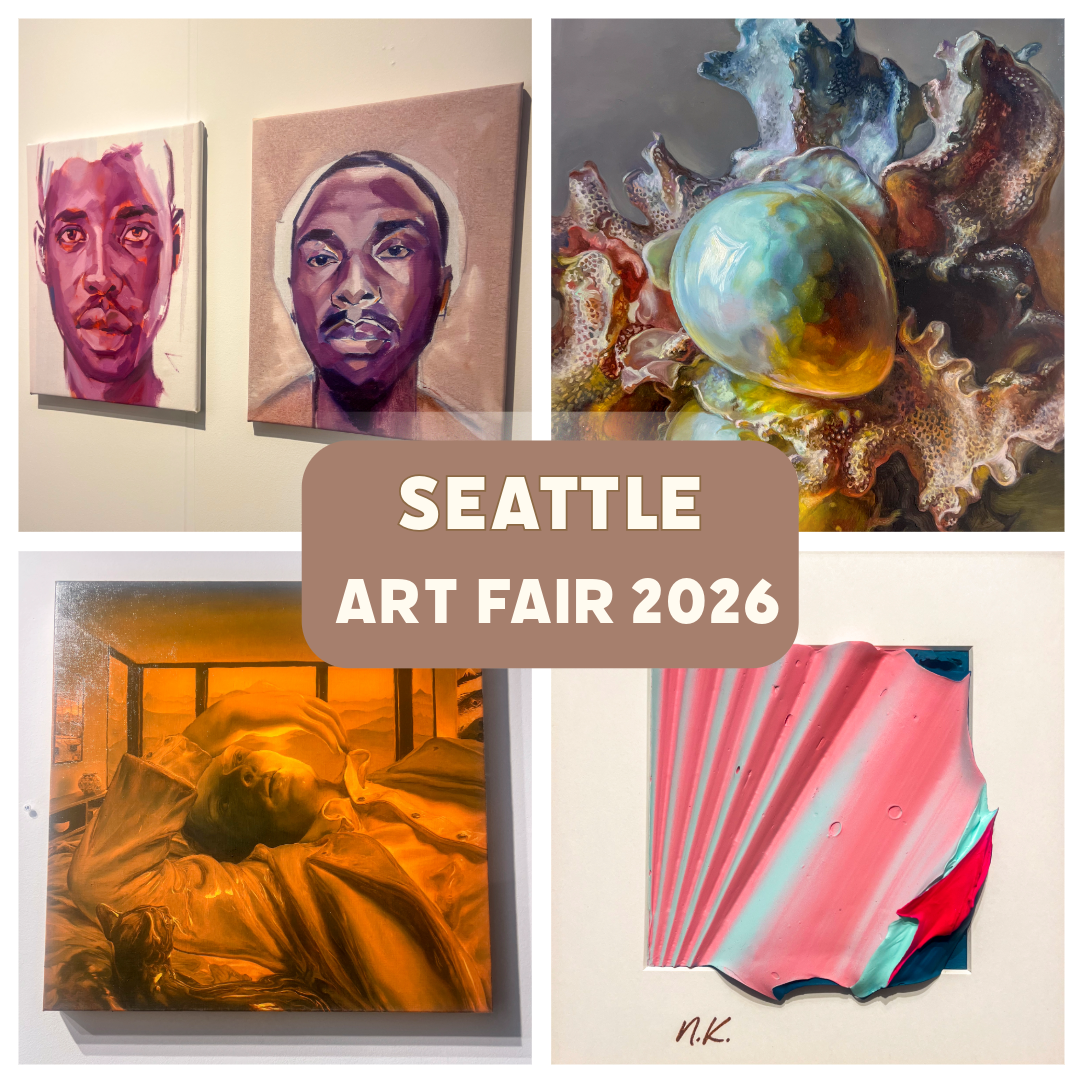
What the Seattle Art Fair Taught Me About My Art
I went to the Seattle Art Fair simply because I was curious. Over two days, I discovered I wasn't collecting favorite artists—I was uncovering the patterns that have quietly shaped my own work all along.
Why Selling Art Feels Different Depending on Where You Live
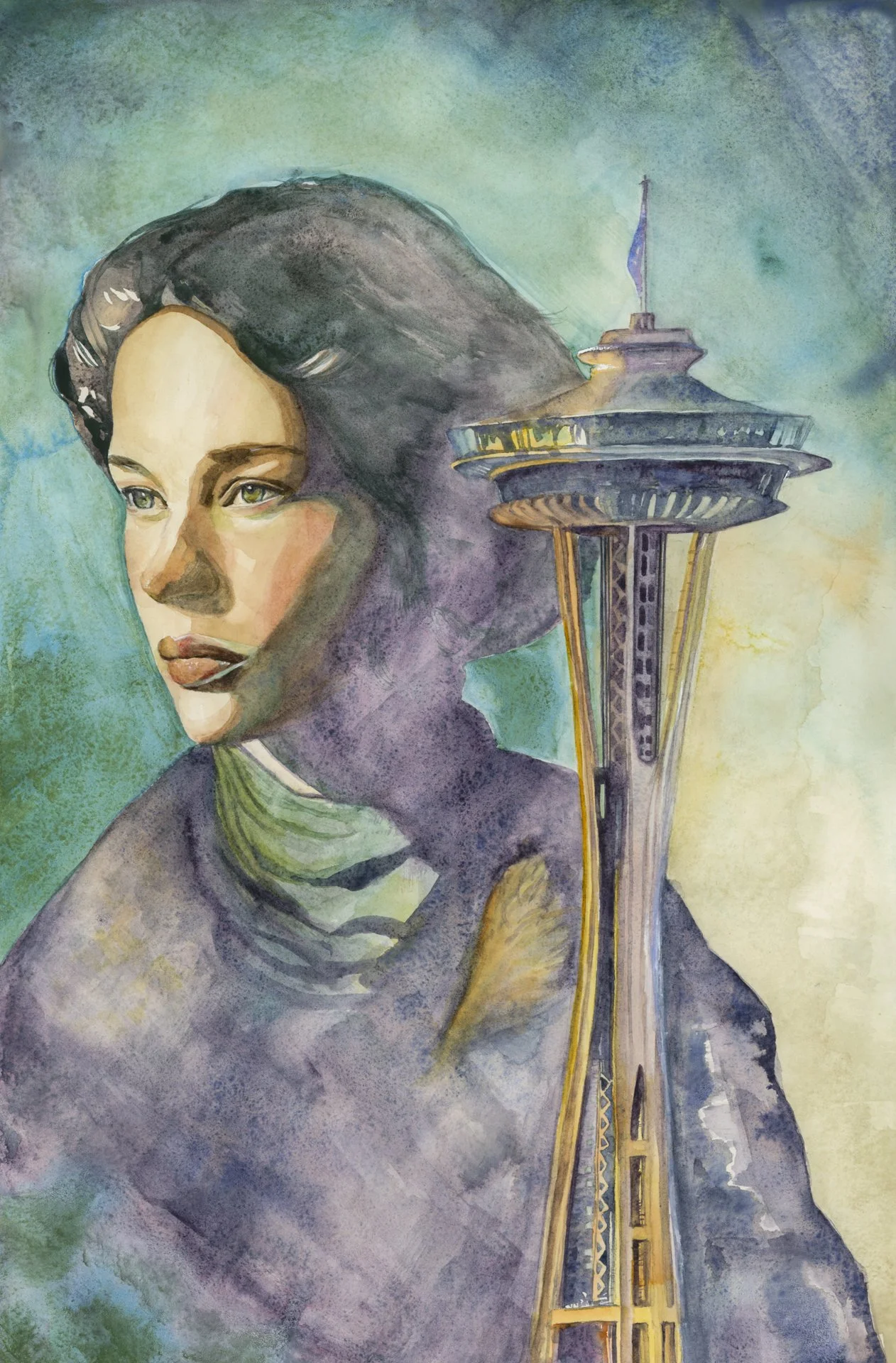
I used to think selling art was mostly about making better work. But the more I looked into different art communities — from Santa Fe to Seattle — the more I realized every city has its own relationship with original art. Understanding that doesn’t change what I paint, but it changes how I share it.

The Quiet Crash After an Art Show Nobody Warns You About
After my exhibition I Was Once, Too, a Child came down, I expected relief. Instead, I felt strangely lost. A reflection on the quiet crash after finishing something meaningful, why exhaustion can look like doubt, and learning to rest before deciding what comes next.

Is AI the Death of Art? I Don’t Think So — But I Do Have One Condition
I understand why artists are scared of AI. Part of me is too. But artists have always used tools — from workshops to the camera obscura. The question I keep returning to isn’t whether we use tools, but whether those tools help us express what’s inside us or replace the process that helps us grow.
The 8 Visual Approaches: How I Think About What a Painting Is Actually Doing (Learned from Quang Ho)
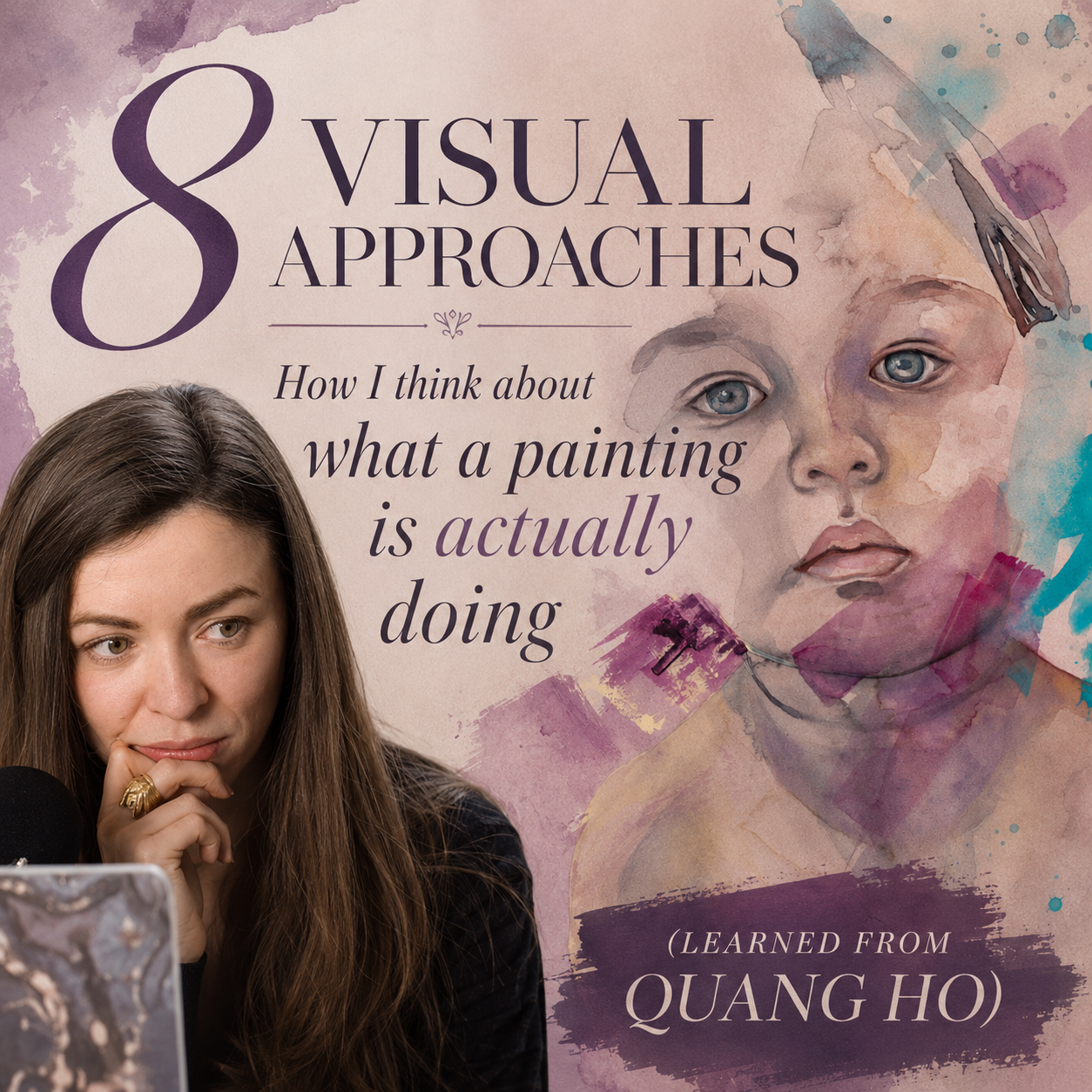
I've been sitting with a framework I first encountered through Quang Ho’s teaching, and it quietly changed the way I look at paintings — especially my own.
I used to notice everything that was present: the color, the lines, the atmosphere, the light. But I started realizing that presence is not the same as dominance.
Every painting has something doing the heavy lifting — one visual idea quietly holding everything together.
These are the 8 approaches I’ve been exploring, mapped through artists I keep returning to and the questions they’ve opened up in my own work.
Can You Varnish Watercolor on Yupo Paper? I Tested Golden Archival Spray vs Dorland’s Wax
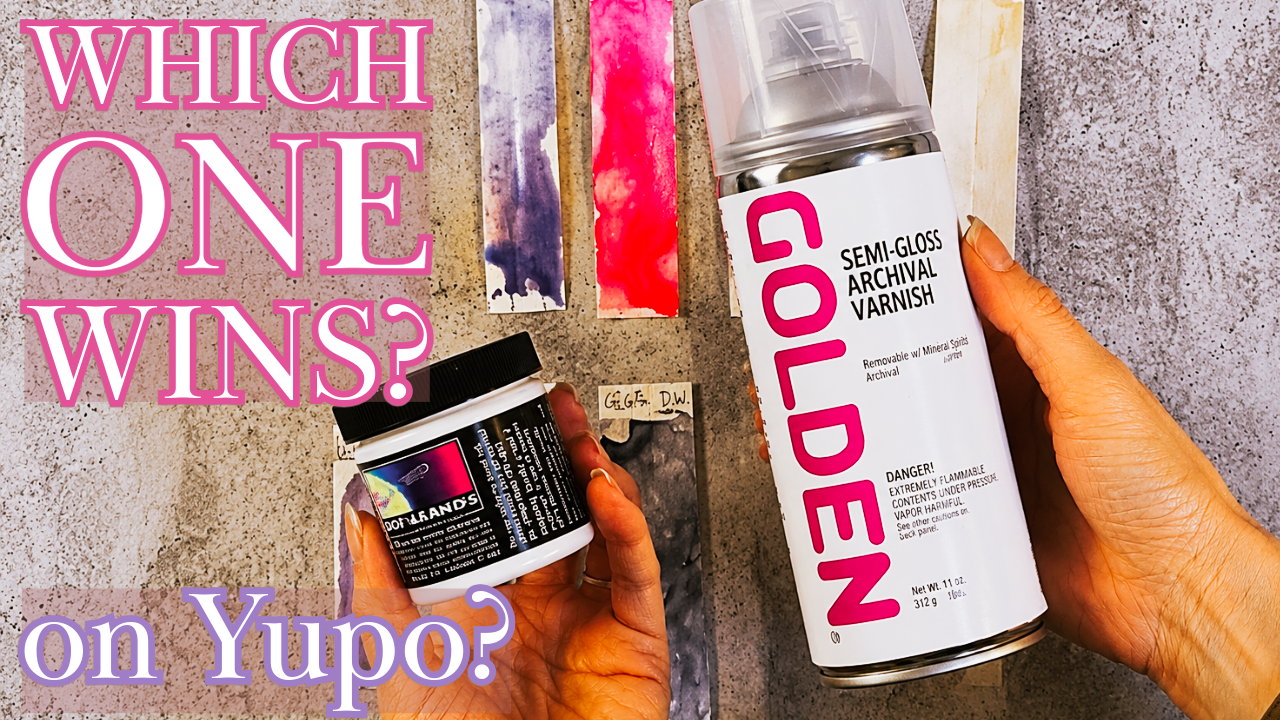
I avoided varnishing my Yupo watercolor paintings for years after a failed attempt changed the surface of a finished portrait. But as I started creating more Yupo commissions, I wanted to know: can you protect watercolor on Yupo without glass? I tested Golden Archival Spray Varnish and Dorland’s Wax Medium to see what actually happens.
R&F Drawing Oils Test: Did the Colors Fade or Did the Surface Change?
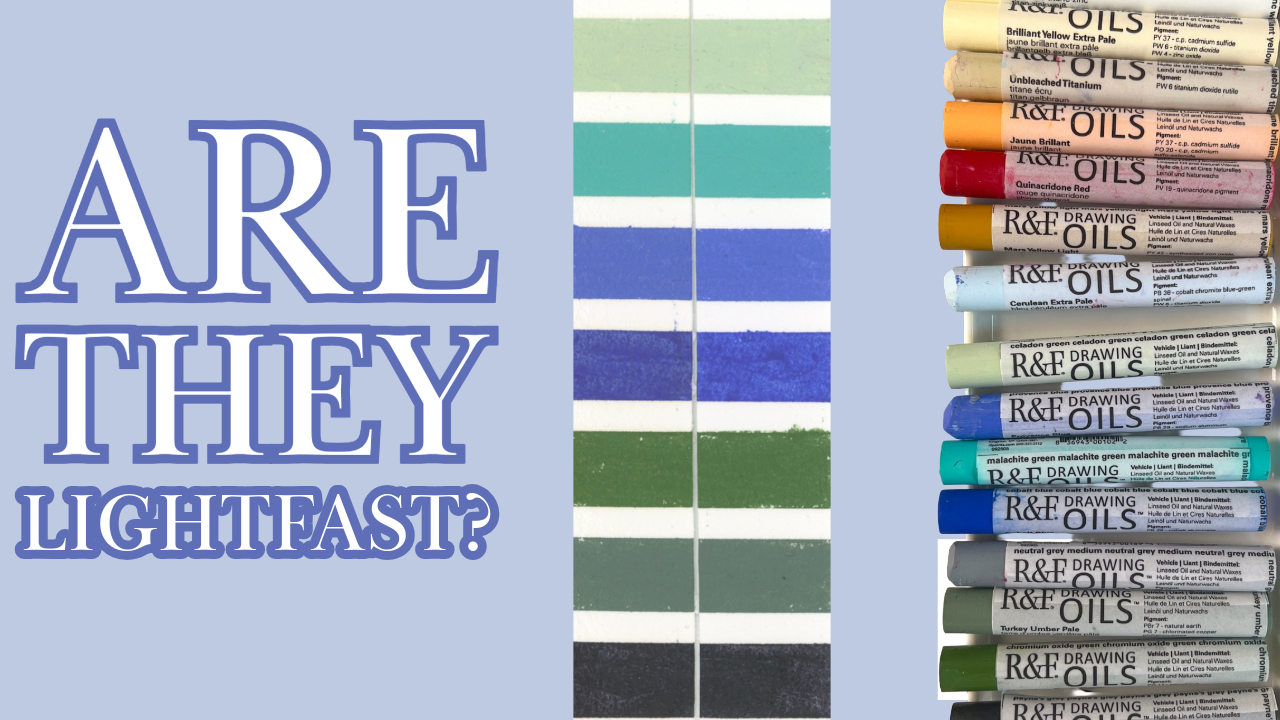
I started testing R&F Drawing Oils to see how they hold up over time — but the results were not as simple as “passed” or “failed.” Some colors changed after months of exposure, which led me to question whether the pigments were fading or if the surface itself was affecting the results. This is an ongoing test that I’ll continue updating.

I Tested Glycerin, Honey, and Gum Arabic on Crumbling Watercolor Paint. Here's What I Learned.
When my Prussian Blue watercolor started crumbling in the palette, I went down a rabbit hole of artist advice. Some recommended glycerin, others swore by honey, while many said to leave the paint alone. I tested them all—including gum arabic and watercolor medium—to see what actually happens. The results surprised me, and revealed that easy rewetting doesn't always mean better paint.
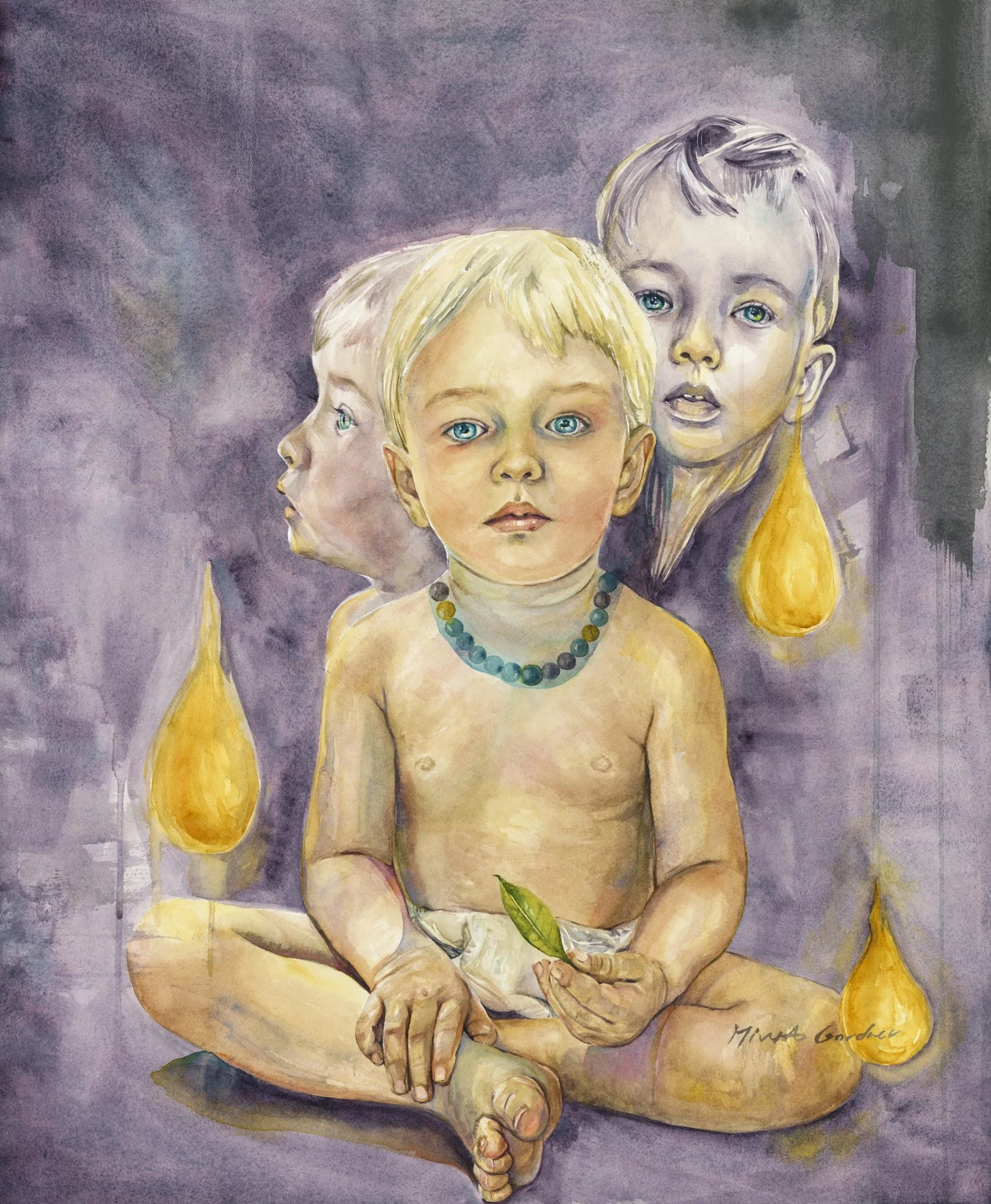
Am I Building a Frankenstein Style?
The problem isn't taking workshops. The problem isn't loving other artists' work. The problem isn't even being influenced by them. Every artist alive is influenced. This is not optional. This is how art works.
The Frankenstein problem isn't influence. It's when you copy the appearance of individuality instead of building your own perception.

The Best Blue for Watercolor Portraits? I Tested 3 Popular Options
Three blues. One portrait. I tested ultramarine, phthalo blue green shade, and phthalo blue red shade to see how each one changes watercolor skin tones and portrait shadows.
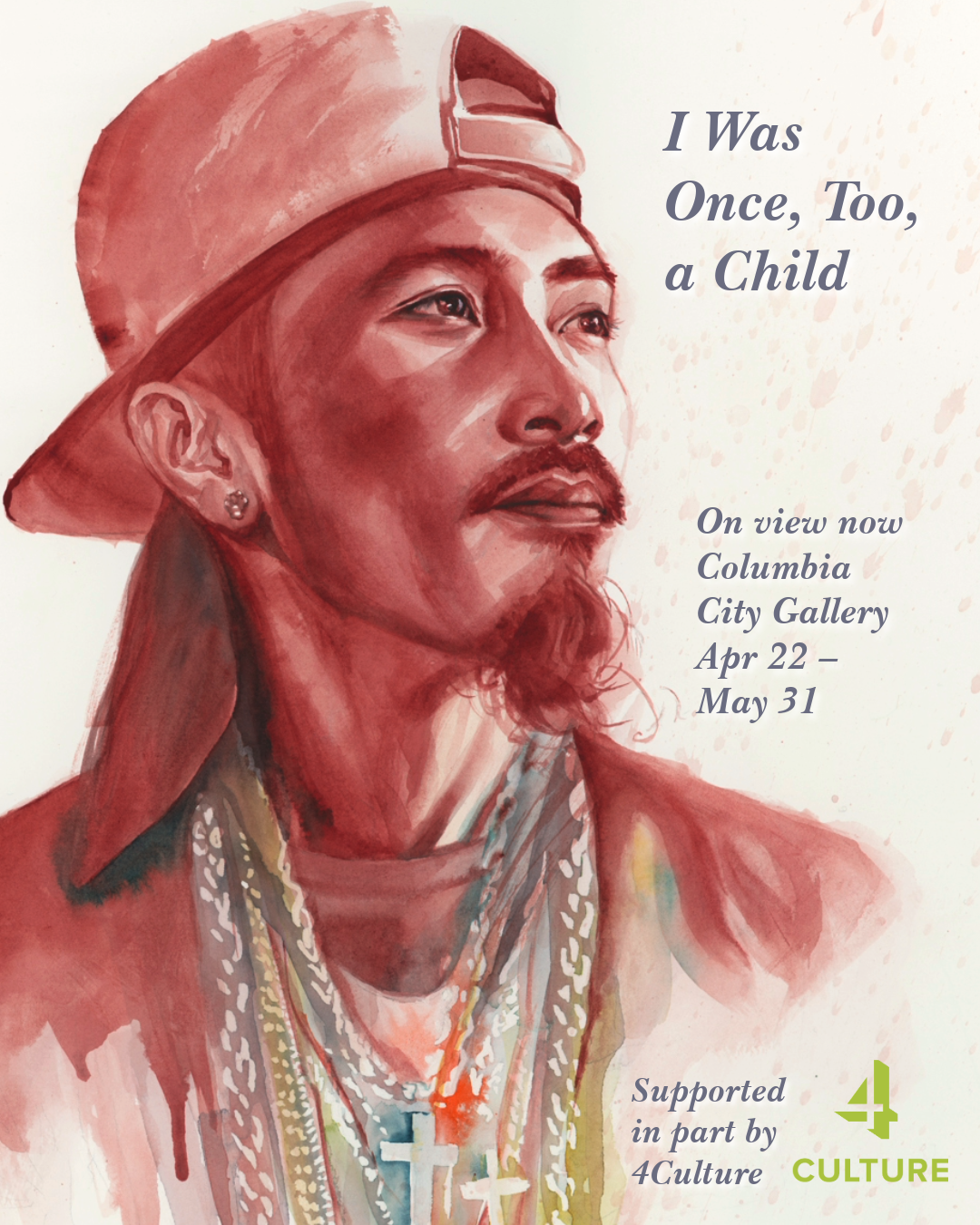
I Was Once, Too, a Child
"Can't you see that this was somebody's baby?" That sentence didn't leave me. This series was created in collaboration with individuals connected to recovery and harm-reduction communities across King County — and what I found wasn't what I expected. Every person I met was facing forward.
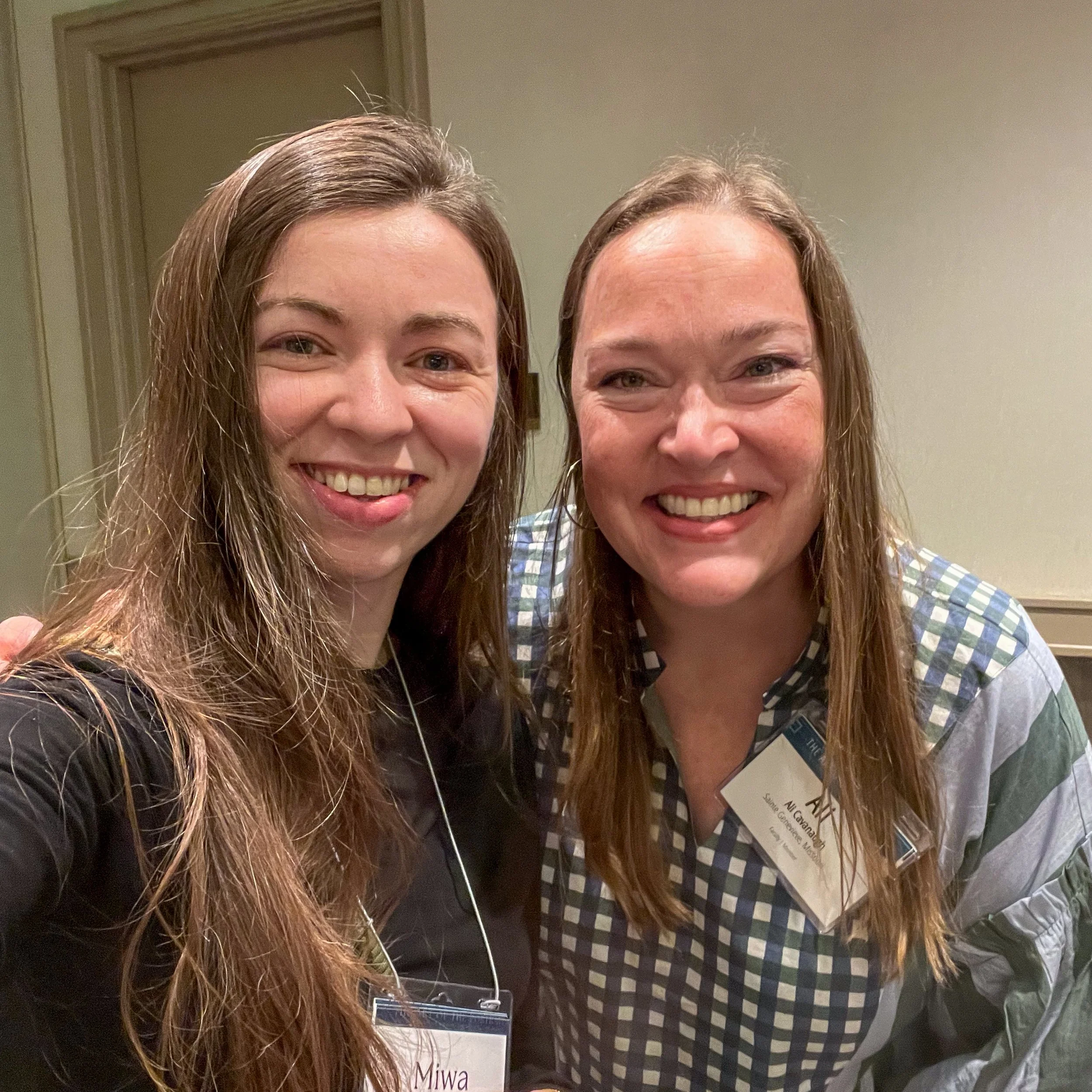
What the Portrait Society Conference Actually Did to Me April 2026 — Atlanta, Georgia
I got in on a scholarship. I want to say that upfront because it still feels a little surreal. The Portrait Society of America's 28th Annual Conference isn't the kind of thing I would have just signed myself up for without a push. And that scholarship was the push.
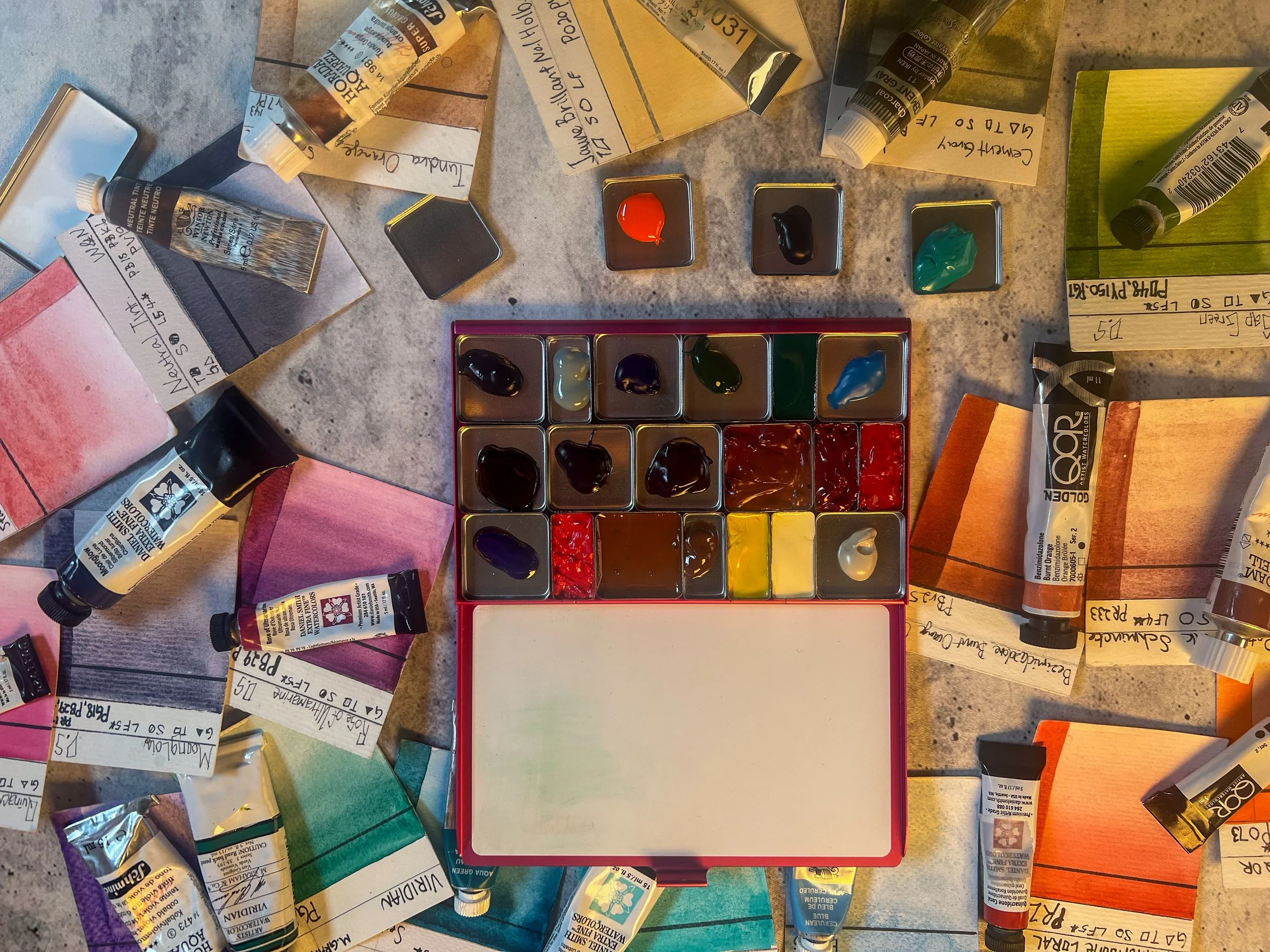
How I Choose Colors for a Travel Watercolor Palette (After 6 Years of Painting)
I don’t start with color theory when building a travel palette. I start with evidence. After six years of painting, the deepest wells in my old palettes tell me what truly belongs.
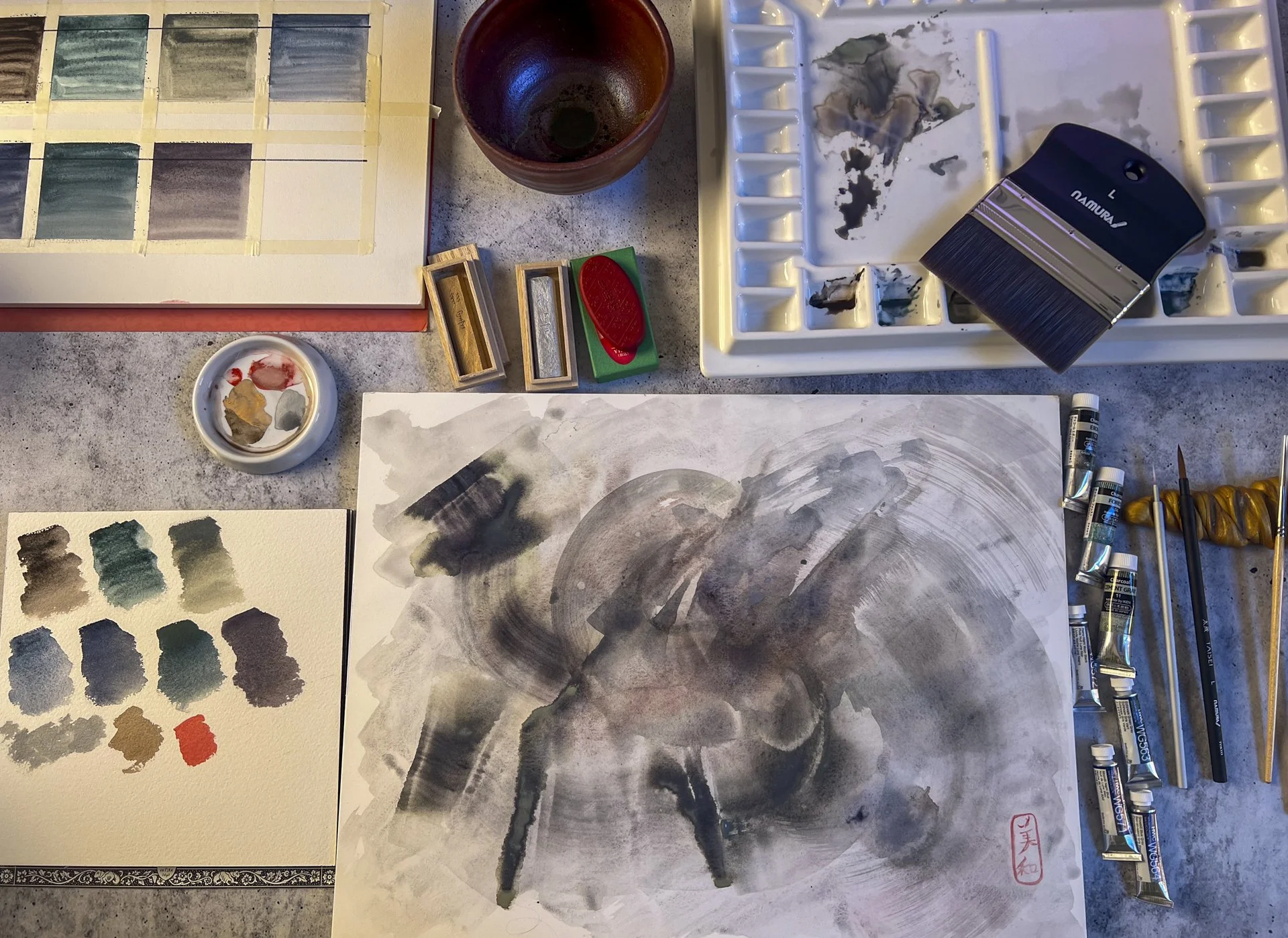
Testing Rare Japanese Watercolors: What Surprised Me Most
I put rare Kusakabe charcoal watercolors and Holbein granulating paints through a studio stress test to see which tools earn a permanent place in my professional portrait workflow — and one color completely surprised me.

What 2025 Actually Cost Me as a Full-Time Artist
An honest reflection on what my 2025 income and expenses revealed about building a full-time watercolor practice, and what I am changing in 2026.
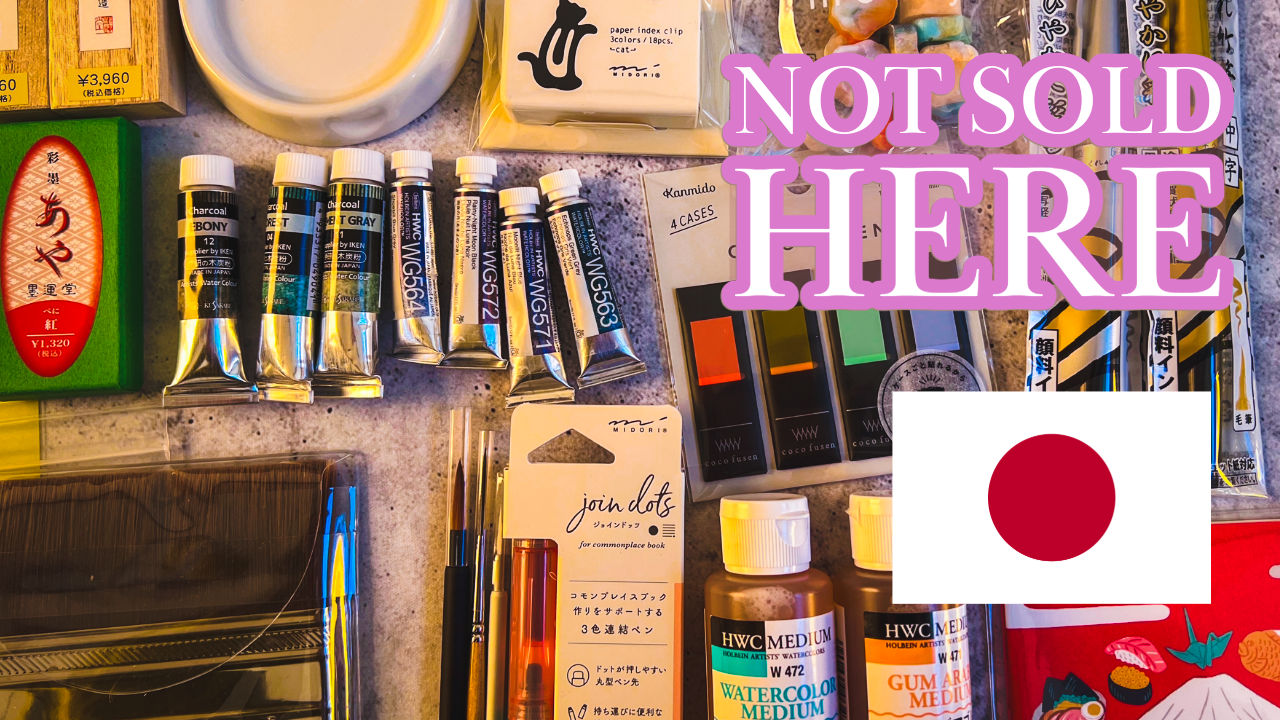
Japan Art Supply Haul: Tools You Can’t Find in the U.S.
I did not bring back souvenirs. I brought back tools that had to answer specific questions in my portrait practice.
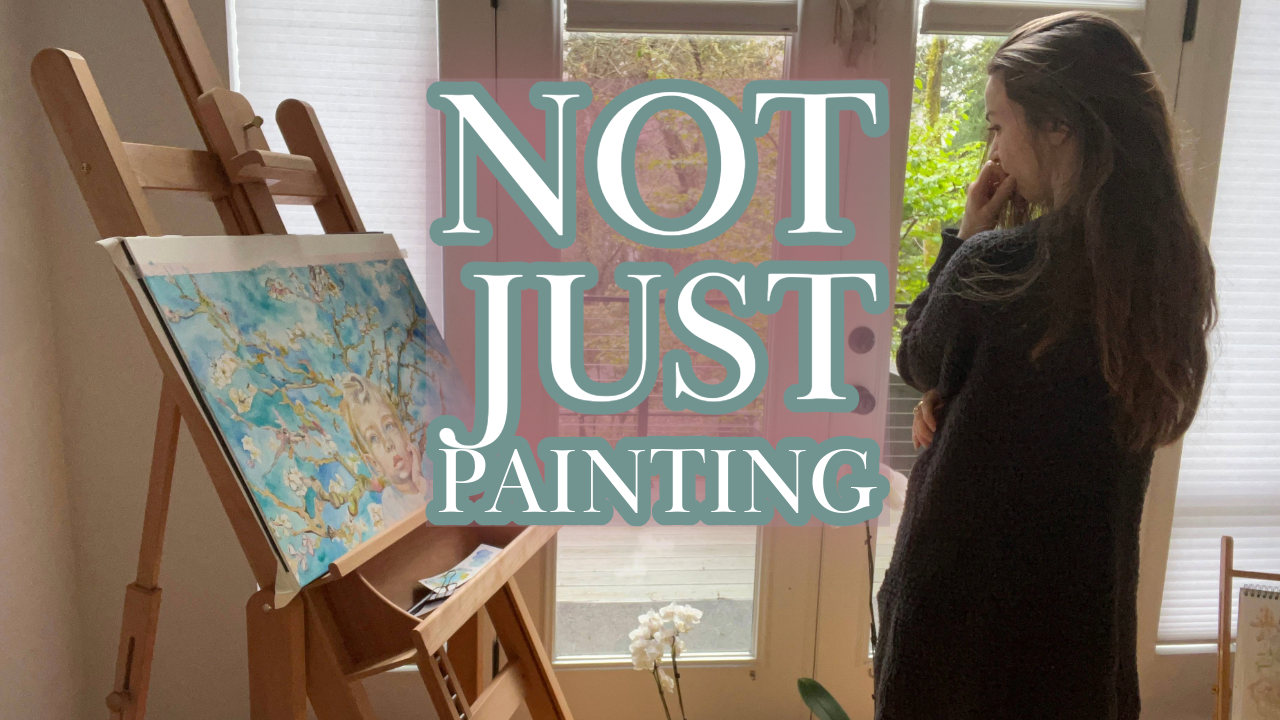
5 Hard Truths About Watercolor I Learned in 2025 (That Changed My Practice)
In 2025, watercolor didn’t change — I did.
Not through dramatic breakthroughs, but through five quiet realizations about framing, commissions, contrast, and time. These lessons reshaped how I finish paintings, how I set boundaries, and how I protect the hours that matter most.