How to Define Your Art Style (And Why It Matters)
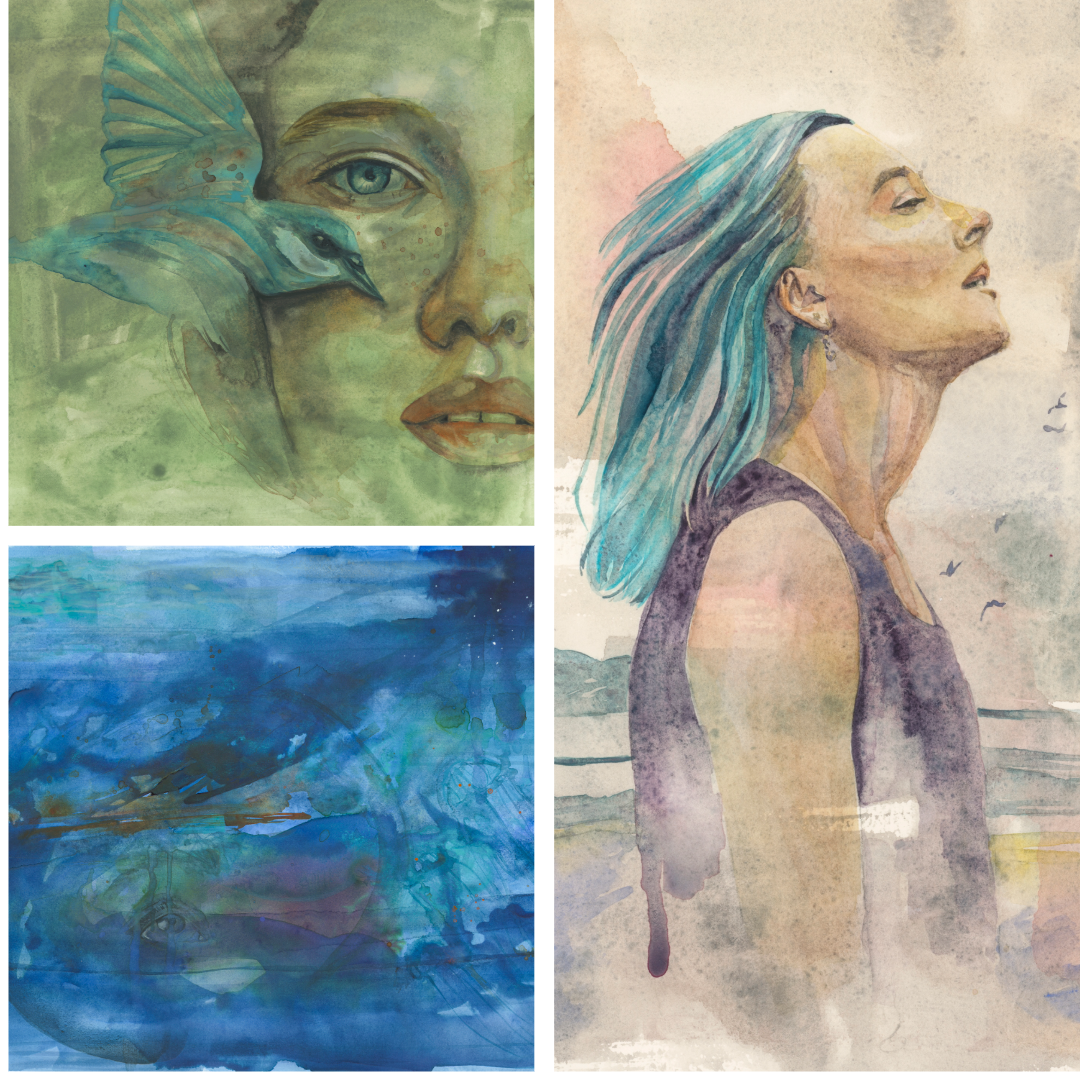
If you’re an artist trying to write your bio, pitch to galleries, or simply update your Instagram profile and wondering,
"What do I even call my style?"
—you’re not alone.
Knowing how to define your art style helps you do more than check a box. It gives galleries a visual map to place your work. It gives collectors a language to talk about what they love. And maybe most importantly, it helps you start to recognize what makes your work yours.
Here’s a way to approach it that feels grounding rather than restrictive.
1. Start With Recognized Style Categories
These are the labels galleries, curators, and jurors often use to orient themselves quickly. You don’t need to squeeze yourself into one category, but narrowing it down helps people understand your visual language.
Some common examples:
Contemporary Figurative Art – The human figure interpreted through a modern lens
Expressive Realism – Realistic forms shaped by emotion and gesture
Emotive Figuration – Work focused more on feeling than likeness
Painterly Abstraction – Loose, brushy work that moves between clarity and suggestion
Lyrical Abstraction – Poetic, atmospheric abstraction
Narrative Figuration – Figurative work with symbolic or storytelling elements
Atmospheric Realism – Representational work driven by mood and space
Impressionistic Portraiture – Soft edges, visible brushwork, suggestion over precision
These aren’t rules. They’re reference points.
2. Combine Outside Language With Your Inner Voice
There are really two ways we talk about our work, and both matter.
External language is label-based.
This is what you use for gallery pitches, juried exhibitions, bios, and CVs.
“I work in contemporary figurative watercolor, leaning toward expressive realism.”
Internal language is voice-based.
This shows up in artist statements, captions, newsletters, and conversations.
“I paint moments that feel emotionally unresolved. Quiet shifts that sit just beneath the surface.”
You don’t have to choose one or the other. The label helps people place your work. The voice helps them connect to it.
3. Use Wölfflin’s Visual Contrasts
This is a tool I resisted at first, but it’s surprisingly helpful.
Swiss art historian Heinrich Wölfflin described five visual contrasts that are still used to talk about style:
Linear vs. Painterly
Plane vs. Recession
Closed Form vs. Open Form
Multiplicity vs. Unity
Absolute vs. Relative Clarity
When I applied this to my own work, things clicked. Painterly. Open form. Recession. Unified. Intentionally unclear.
That language doesn’t limit my work. It gives me steadier footing when describing it to people who already think in these terms.
4. Notice How Contemporary Artists Speak About Their Work
Look at how artists you admire describe what they do.
Ali Cavanaugh talks about modern fresco-style watercolor portraits and the human condition.
Christian Hook often references time, perception, and emotive realism.
Agnes Cecile rarely labels her style at all, relying instead on emotional repetition and atmosphere.
What they share is balance. Medium plus emotion. Structure plus intuition.
5. Try This Simple Format
If you’re stuck, start here:
“I create [medium or style] that explores [theme or emotion], leaning into [visual traits].”
For example:
“I create expressive watercolor portraits that explore unspoken emotional states, using soft edges and layered color to evoke memory and mood.”
This sentence doesn’t trap you. It gives people a way in.
Final Thought
Defining your style isn’t about boxing yourself in. It’s about helping others see you more clearly.
Start with one sentence. Let it evolve. Your style isn’t just what you paint. It’s how you see.