How to Create a Certificate of Authenticity (And Why I Started Using One)
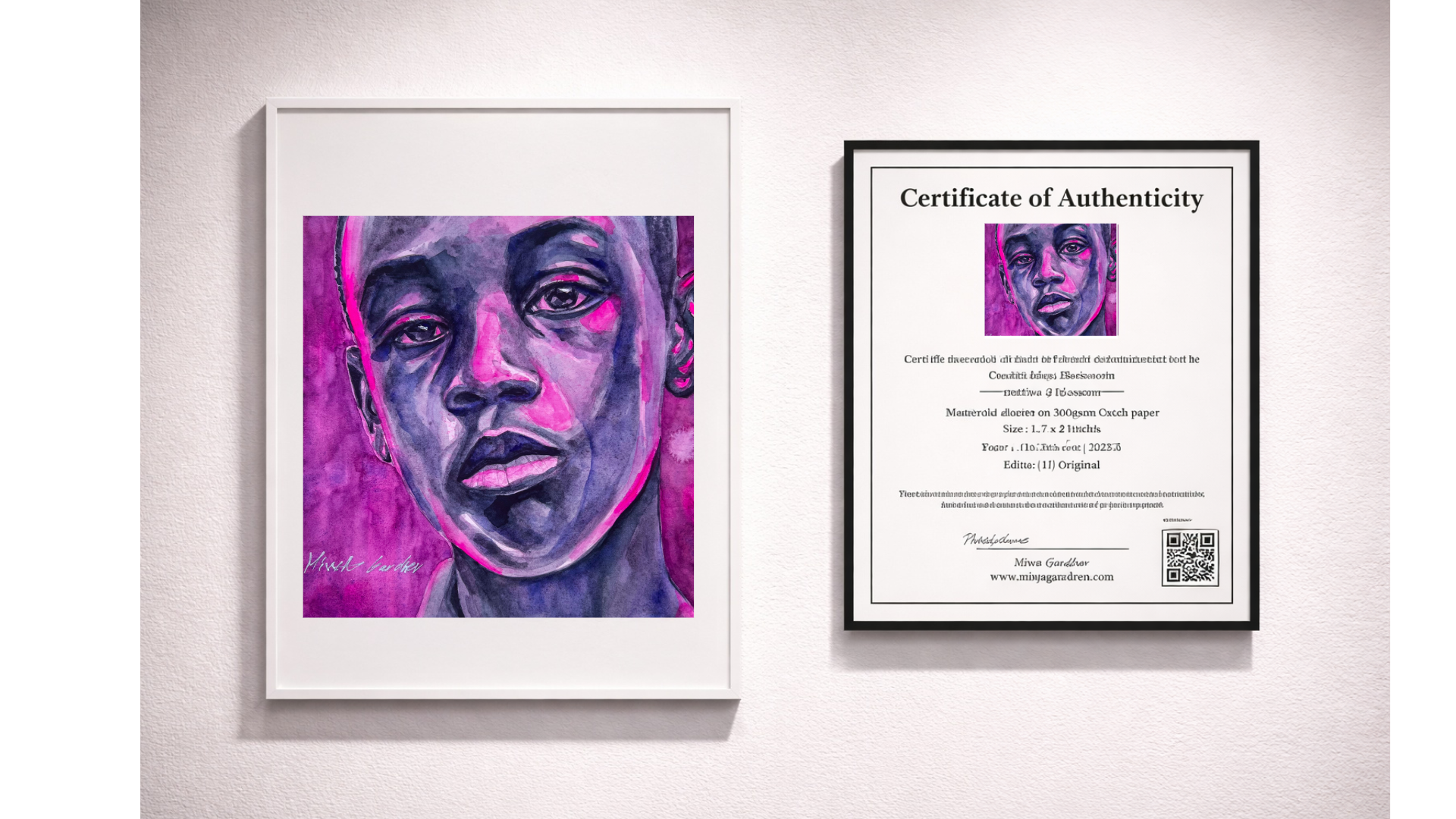
When I first started selling my work, Certificates of Authenticity felt a bit formal. Something galleries asked for, or something “serious artists” were supposed to include. Over time, though, my relationship to them changed.
For me, a COA isn’t about bureaucracy. It’s about care. About acknowledging that once a piece leaves my studio, it begins a life beyond me.
If you’re wondering whether you need one, or how to create one that feels aligned with your work, here’s what I’ve learned so far.
What Is a Certificate of Authenticity?
A Certificate of Authenticity is a document issued by the artist or gallery that confirms a work is genuine and created by the named artist.
For collectors, it helps establish provenance. For artists, it’s a quiet but important signal that you stand behind your work and its future.
What I Include in My COAs
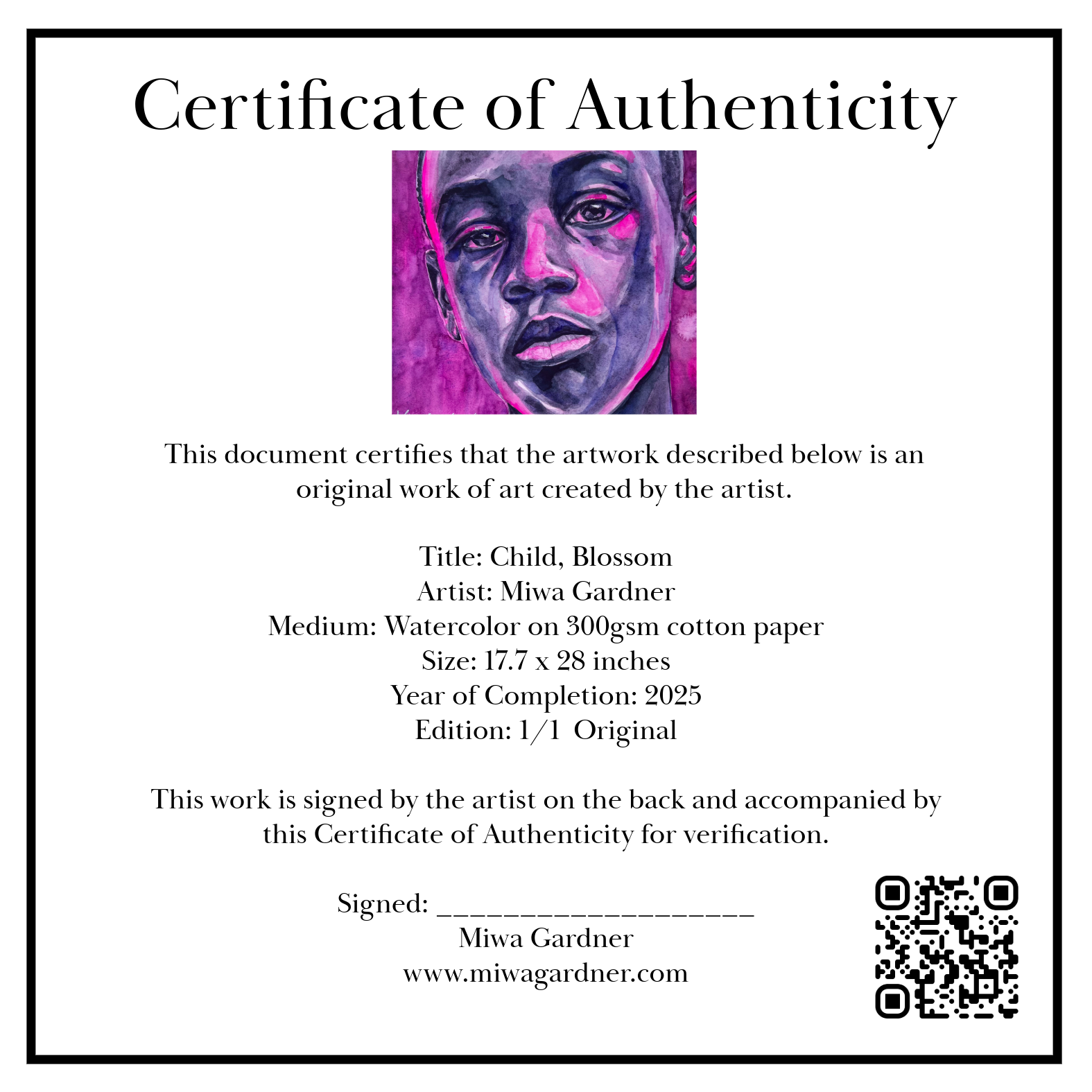
I keep mine simple and clear. No legal language, no overcomplication.
Each certificate includes:
Title of the artwork
My name as the artist
Medium and materials
Size
Year of completion
Edition details, such as Original 1/1 or a numbered print
A short statement confirming authenticity
My signature
My website or contact information
That’s it. Enough to identify the work and trace it back to me, even years down the line.
Paper and Presentation Matter
I treat the certificate with the same respect as the artwork.
I use archival, acid-free cardstock, usually around 250 to 300 gsm. Soft white or natural tones feel more appropriate than bright printer paper. I print cleanly and sign each one by hand.
When the work is delivered, the certificate is placed in an archival sleeve and included with the packaging. I never tape it to the artwork itself.
I also keep a record for myself. That part matters more than I expected.
Originals, Prints, and Transparency
Being clear is essential.
Original works are marked as Original 1/1.
Limited edition prints are numbered and include the total edition size.
Open editions are labeled honestly as open.
Collectors value transparency. A COA isn’t about inflating value. It’s about clarity and trust.
Why I Use Them Now
Including a COA changed how I think about the work leaving my studio. It made the exchange feel more intentional, less transactional.
I don’t see it as a finished system. I’m still refining the design and presentation, and I expect it to evolve as my practice does. But even in its current form, it helps me honor the work and the person receiving it.
Final Thought
A Certificate of Authenticity doesn’t need to be elaborate. It just needs to be honest.
If you sell your work, whether originals or prints, this is one small step that quietly reinforces professionalism, care, and continuity.
And that, to me, matters.