The Artist's Ecosystem Map: Where and How to Share Your Work
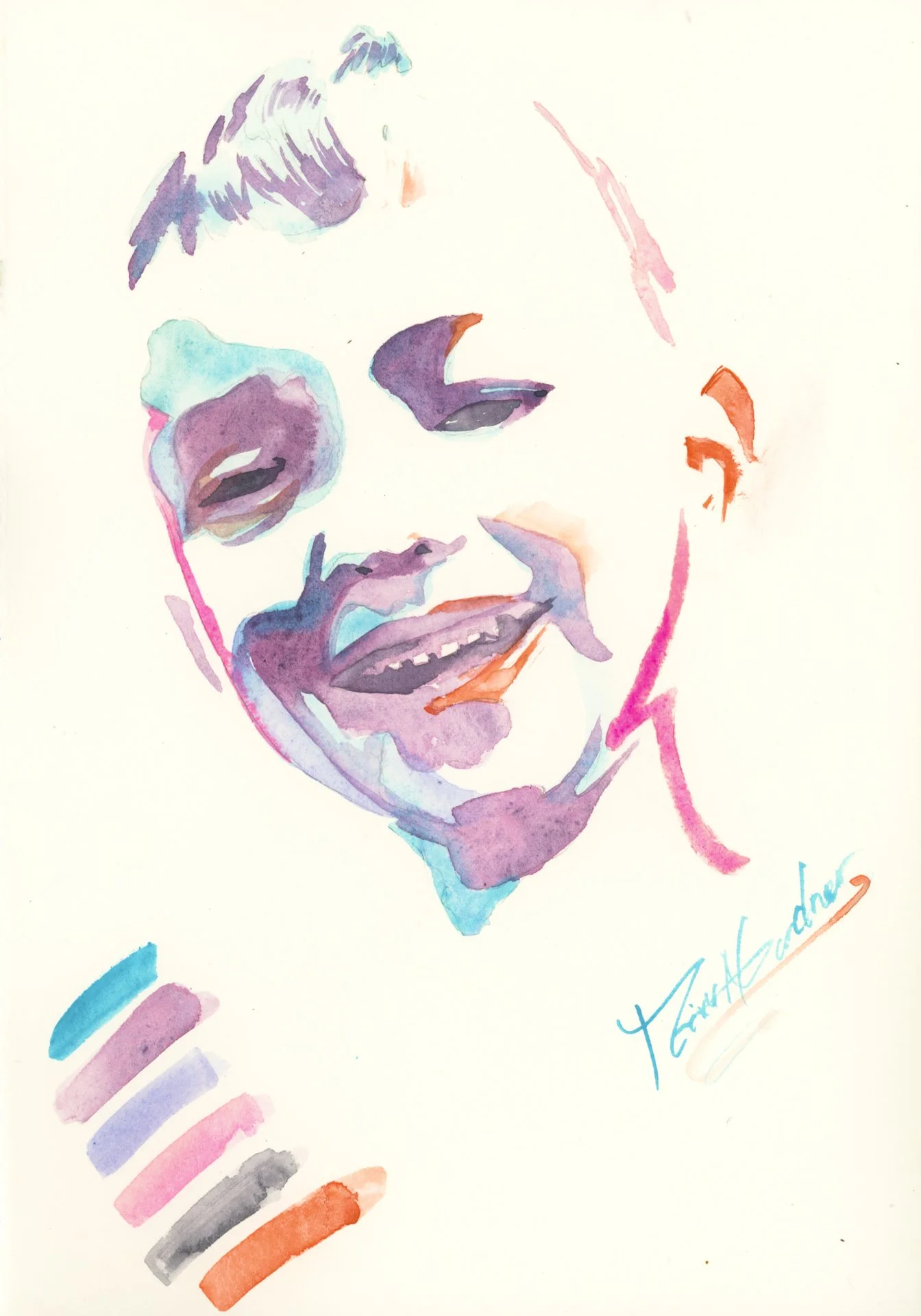
🗺️ The Artist’s Ecosystem Map
Where and How to Share Your Work
One of the quiet struggles artists rarely talk about is not making the work, but knowing where it belongs.
You can be doing good work and still feel scattered, frustrated, or invisible simply because you are placing your art in ecosystems that were never designed for it.
Not every artwork wants the same life.
Some pieces want walls and time.
Some want hands and conversation.
Some want institutions.
Some want homes.
Understanding the different ecosystems your work can live in is less about chasing opportunity and more about learning where your energy, values, and capacity actually align.
This is not a checklist.
It is a map.
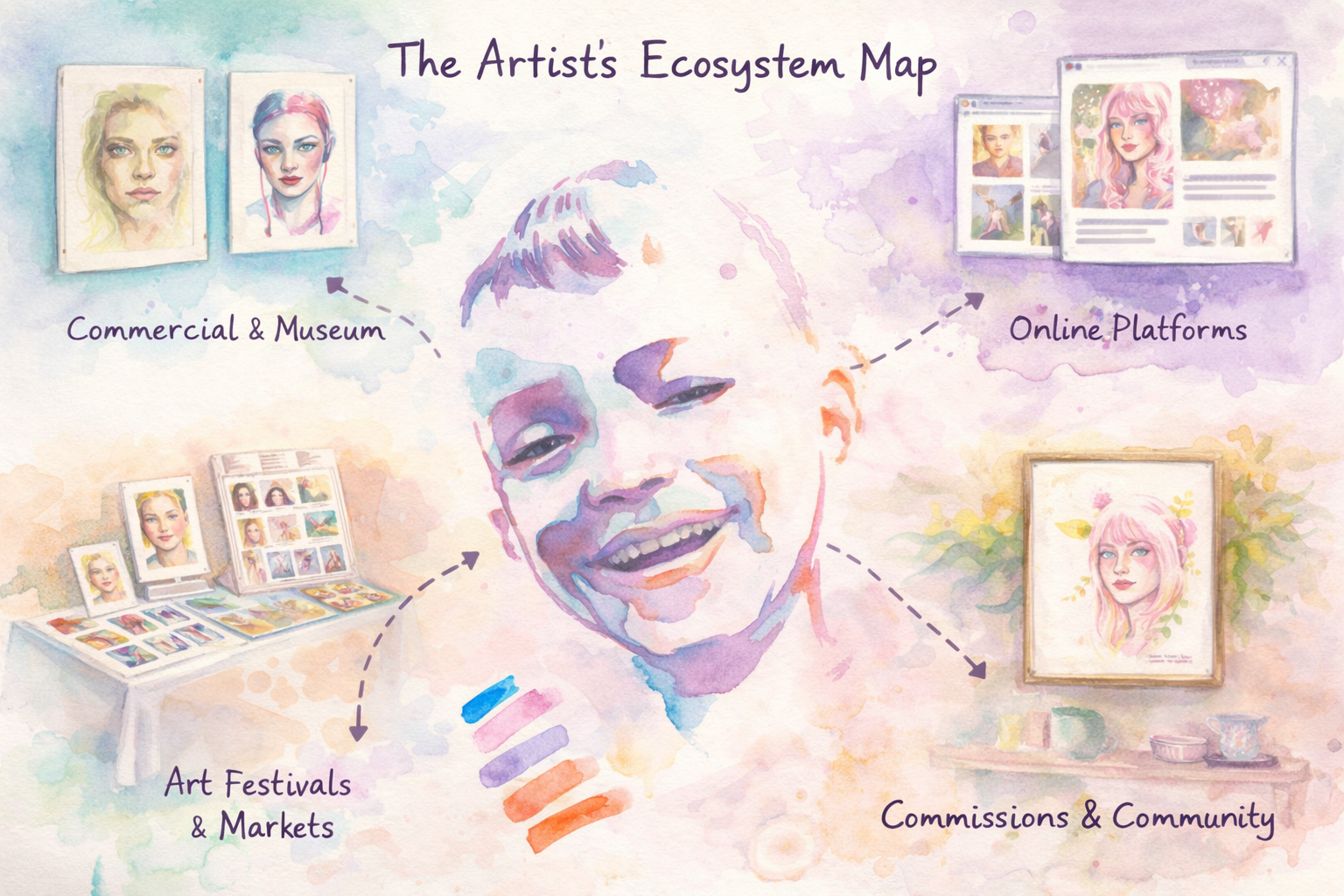
🎨 I. Traditional Art World Ecosystems
1. Commercial Galleries
Commercial galleries tend to work best for artists with cohesive bodies of work and a strong, recognizable visual identity.
They value consistency over novelty and long-term sales over quick wins. This is where collector relationships are built slowly, over years.
Good fit if:
You enjoy developing series, can maintain quality over time, and are comfortable with a slower sales cycle.
Trade-offs:
High commission, exclusivity expectations, and patience required.
2. Artist-Run or Cooperative Galleries
These spaces are often community-driven and collaborative, with a strong emphasis on participation.
They are excellent environments for smaller originals, thematic work, and artists who value dialogue and shared responsibility.
Good fit if:
You want visibility, connection, and shared ownership of a space.
Trade-offs:
Monthly dues and volunteer hours are part of the cost.
3. Pop-Up Galleries and DIY Shows
Pop-ups reward boldness and clarity. They thrive on storytelling, emotion, and visual impact rather than institutional validation.
These spaces are ideal for experimentation and reaching people who may never step into a traditional gallery.
Good fit if:
You like autonomy, experimentation, and community energy.
Trade-offs:
You are responsible for traffic, sales, and logistics.
4. Juried Shows (Non-Museum)
Juried exhibitions reward strong individual works and a clear artistic voice. They are less about sales and more about positioning.
Good fit if:
You want to build your CV, test your work in broader contexts, or gain external validation.
Trade-offs:
Entry fees, competition, and no guarantee of sales.
🏛️ II. Museum-Related Ecosystems
5. Museum Juried Shows
These spaces prioritize conceptual depth, cultural relevance, and finish. They often favor work that engages intellectually or historically.
Good fit if:
Your work carries layered meaning and can hold up to curatorial scrutiny.
Trade-offs:
Extremely competitive and often non-selling.
6. Museum Gift Shops
Gift shops offer a quieter, more accessible presence within institutions. Smaller works, prints, and thoughtful art products thrive here.
Good fit if:
Your work translates well into intimate formats and carries a strong sense of place or theme.
Trade-offs:
Consignment pricing and retail margins must be carefully calculated.
🖼️ III. Festival and Market Ecosystems
7. Art Fairs and Outdoor Festivals
These environments reward clarity, range, and approachability. They are physically demanding but can be financially productive.
Good fit if:
You enjoy direct interaction and have work at multiple price points.
Trade-offs:
Booth fees, weather, and stamina.
8. Indoor Markets and Holiday Bazaars
Seasonal and gift-driven, these spaces favor affordability and impulse appeal.
Good fit if:
You have smaller works or products designed for gifting.
Trade-offs:
Lower price expectations and less emphasis on fine art context.
🛍️ IV. Retail-Based Ecosystems
9. Boutiques and Lifestyle Shops
Retail spaces value cohesion and brand alignment over individual statement pieces.
Good fit if:
Your work integrates easily into styled environments.
Trade-offs:
Lower margins and consignment terms.
10. Cafés, Salons, and Community Venues
These spaces prioritize atmosphere. Art here functions as presence rather than focal point.
Good fit if:
Your work is calming, accessible, and visually inviting.
Trade-offs:
Unpredictable sales and insurance considerations.
🏠 V. Studio-Based and Direct Ecosystems
11. Open Studios and Art Walks
These experiences allow people to encounter your work in context, alongside process and story.
Good fit if:
You enjoy conversation and relationship-building.
Trade-offs:
Your studio must be accessible and presentation-ready.
🧑🎨 VI. Commission Ecosystems
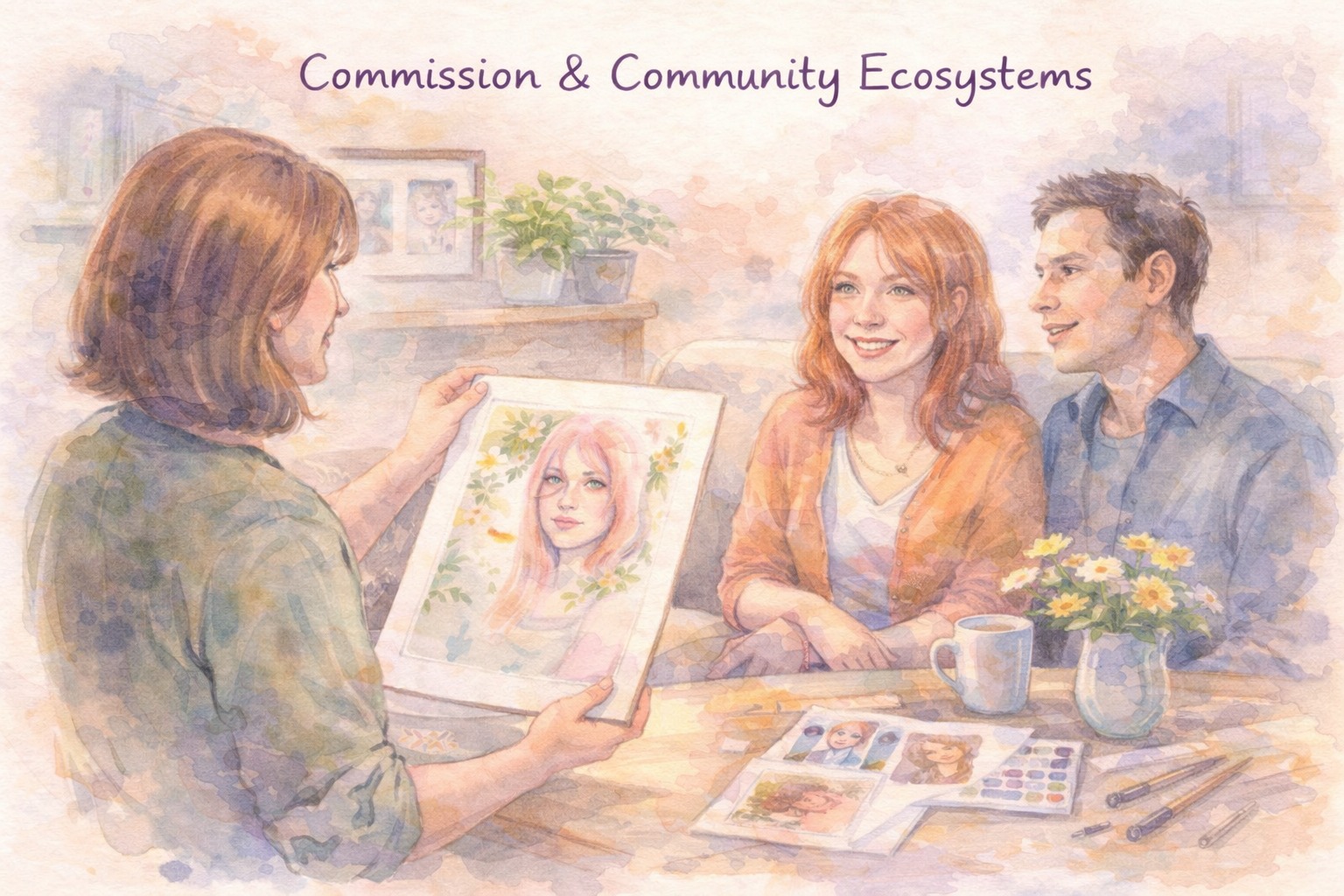
12. Portrait and Commission-Based Work
Commissions are deeply relational. They rely on trust, communication, and emotional alignment.
Good fit if:
You enjoy collaboration and working within constraints.
Trade-offs:
Clear boundaries, contracts, and timelines are essential.
🏢 VII. Corporate and Professional Ecosystems
13. Art Consultants and Interior Designers
These placements favor cohesion, scale, and mood-setting over individual expression.
Good fit if:
You can adapt work to briefs without losing integrity.
Trade-offs:
Middlemen and customization requirements.
🏆 VIII. Competition and Auction Ecosystems
14. Art Competitions and Awards
Competitions reward memorability and technical strength.
Good fit if:
You are comfortable with rejection and external evaluation.
15. Art Auctions
Auctions are best approached strategically and sparingly.
Good fit if:
You want exposure and community engagement.
Trade-offs:
Pricing control can be limited.
🧑🏫 IX. Educational and Institutional Spaces
16. Universities, Libraries, and Hospitals
These environments prioritize safety, reflection, and public engagement.
Good fit if:
Your work supports healing, learning, or contemplation.
🛒 X. Online Ecosystems
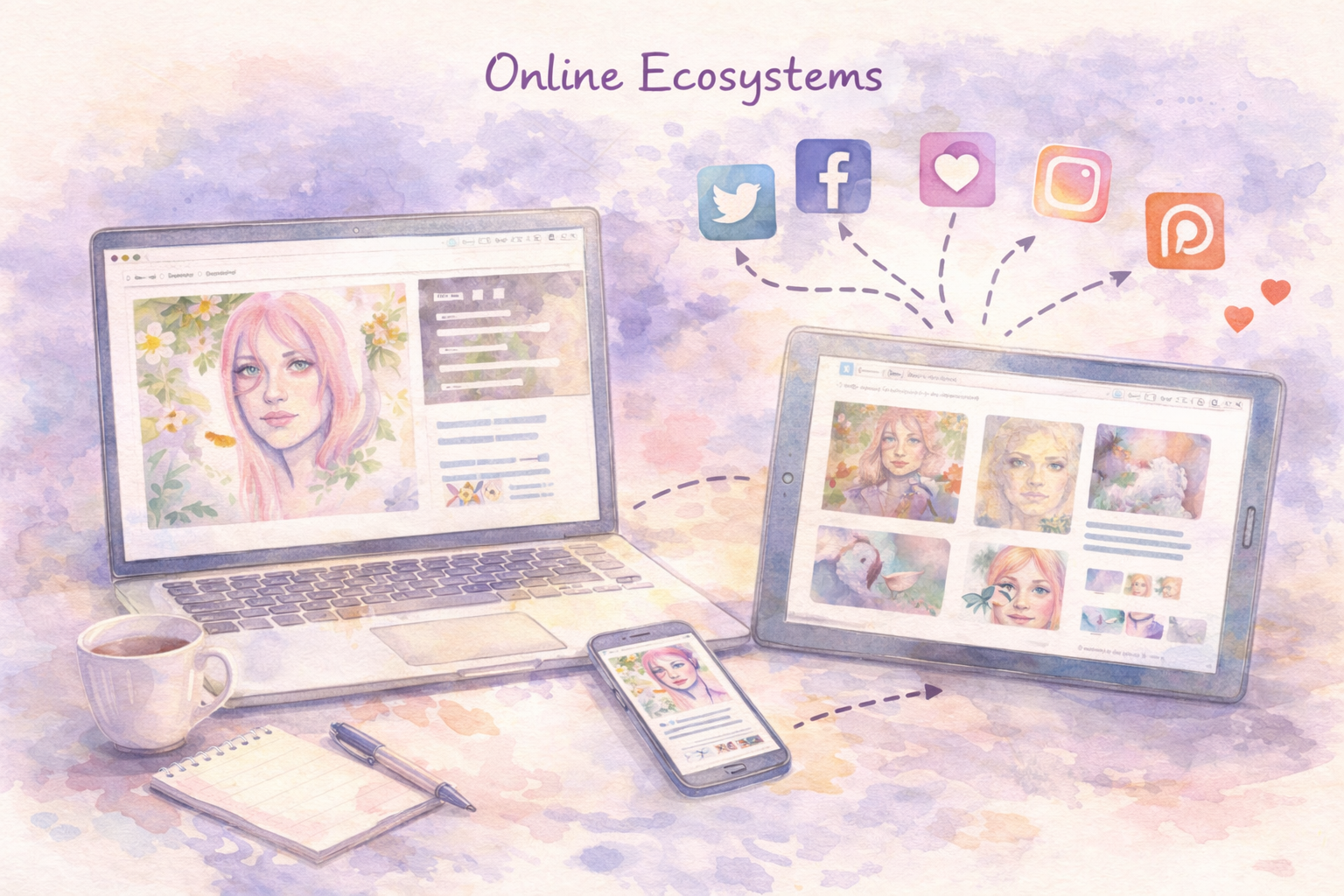
17. Handmade Marketplaces
Platforms like Etsy reward consistency and discoverability.
Good fit if:
You enjoy system-building and repeatable offerings.
18. Your Own Website
Your website is where everything comes together.
Good fit if:
You want long-term trust, commissions, and collector relationships.
19. Social Media and DMs
Social platforms are bridges, not foundations.
Good fit if:
You share process, story, and presence.
🔍 How to Choose What Fits You
Instead of trying everything, ask better questions.
About your work
What does it need to live well?
About your income
Do you need speed, stability, or scale?
About your capacity
What can you realistically sustain?
About your values
Where do you want your work to matter?
Bonus question:
What do I want my art to do in the world, and where does that energy belong?
✨ The Takeaway
There is no single correct path.
There is only alignment.
When your work is placed in the right ecosystem, it does not have to shout.
It simply belongs.