The Quiet Crash After an Art Show Nobody Warns You About
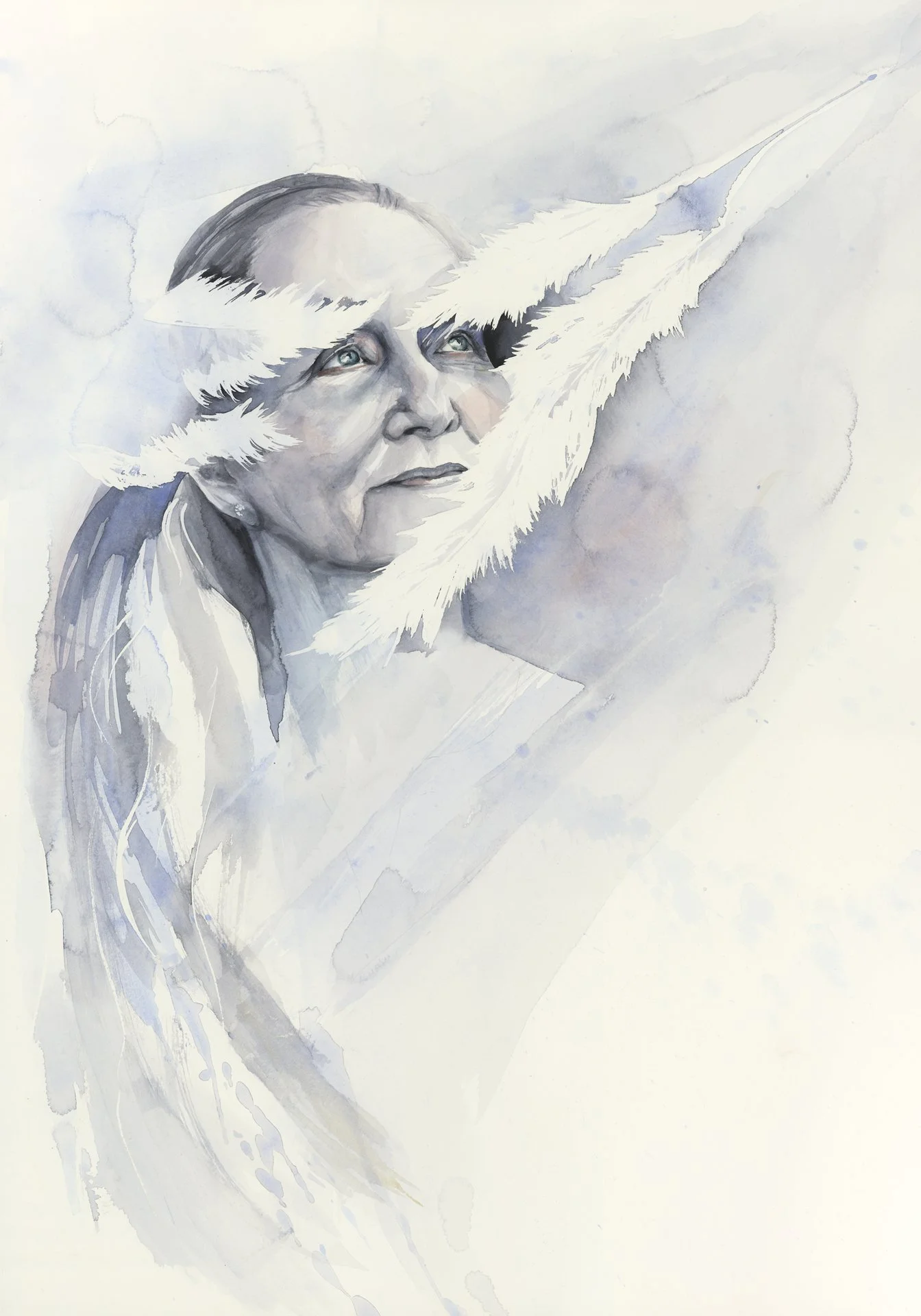
The show closes and you think you'll feel relief.
Instead, everything gets quiet.
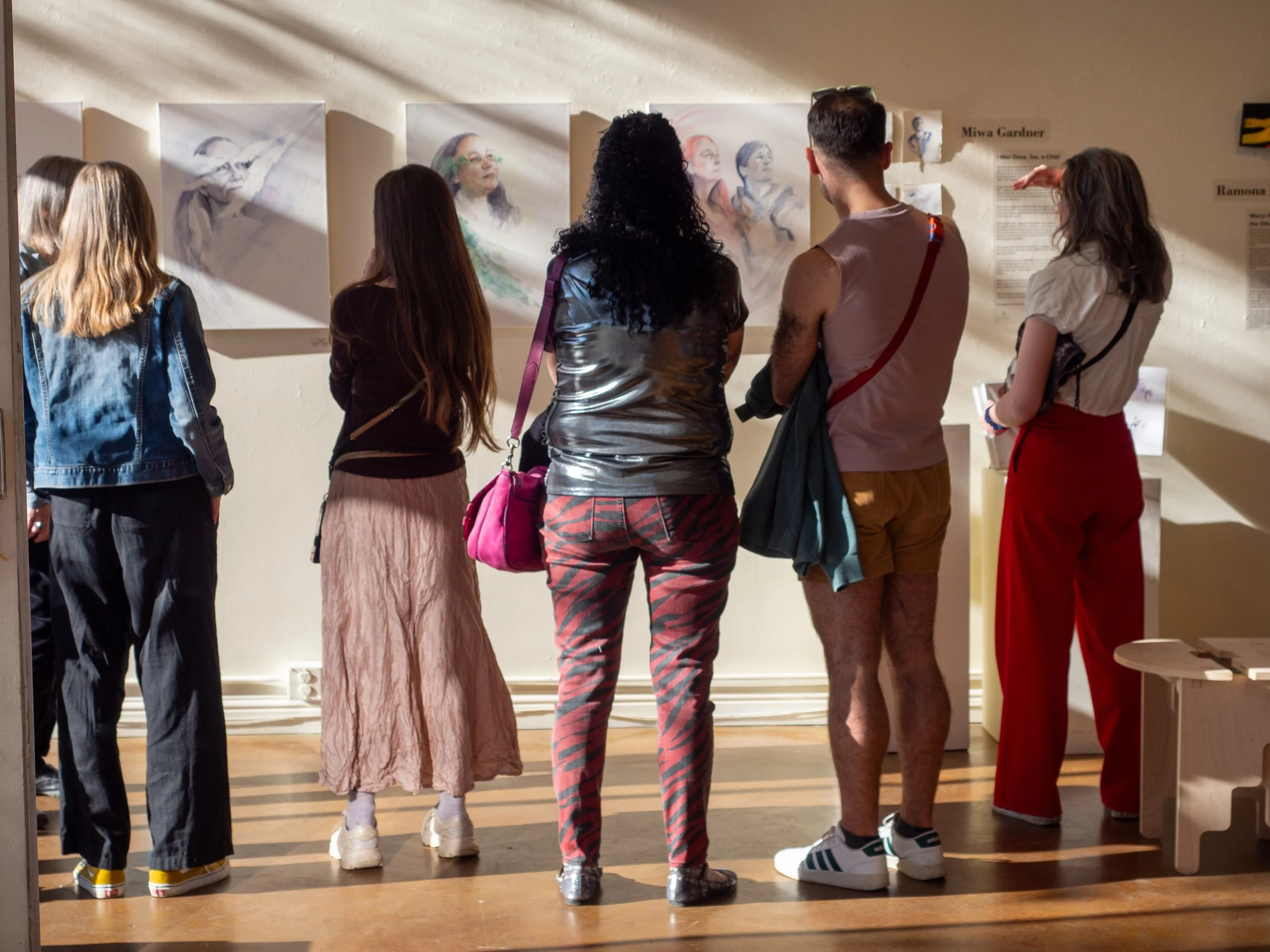
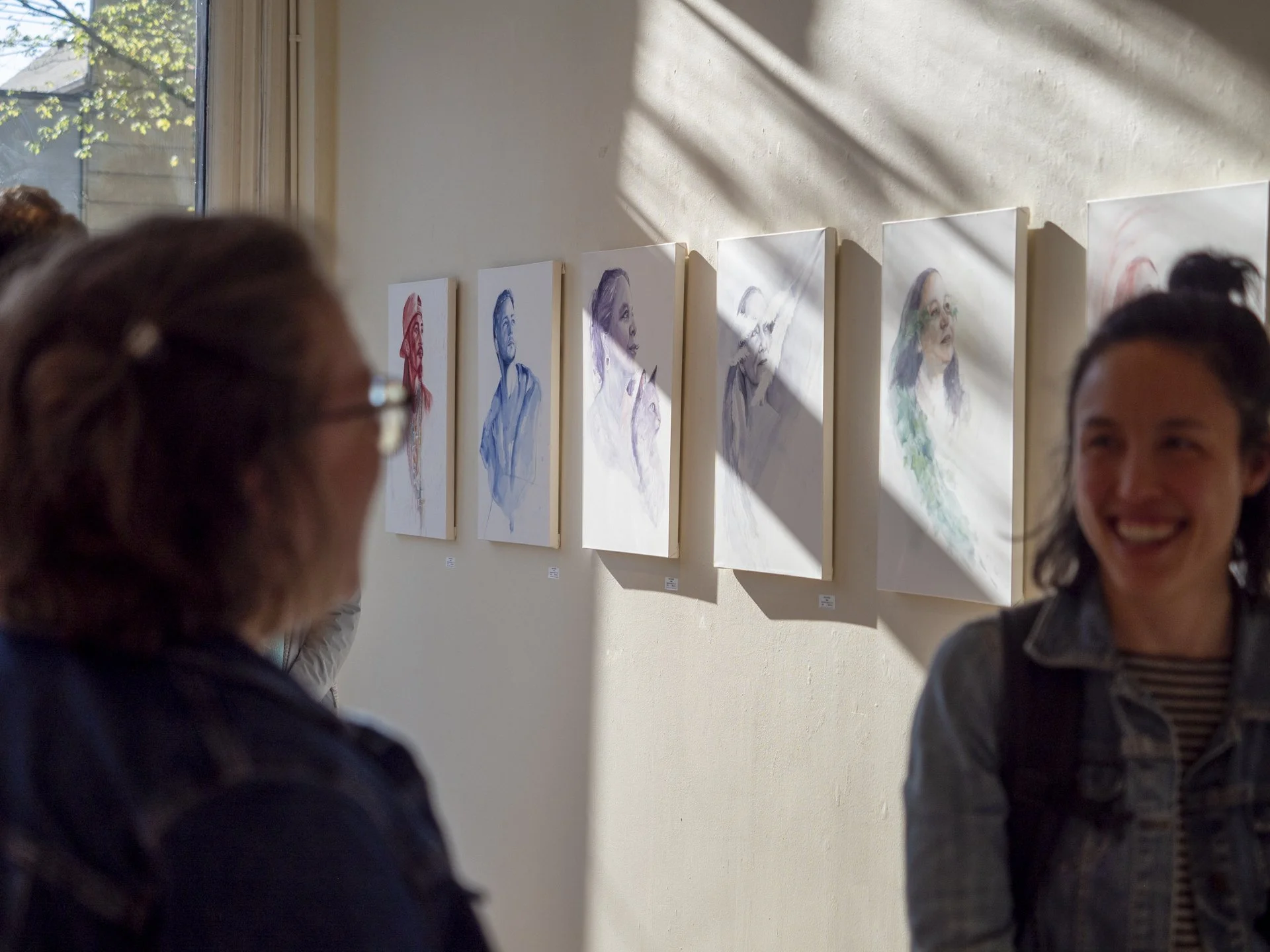
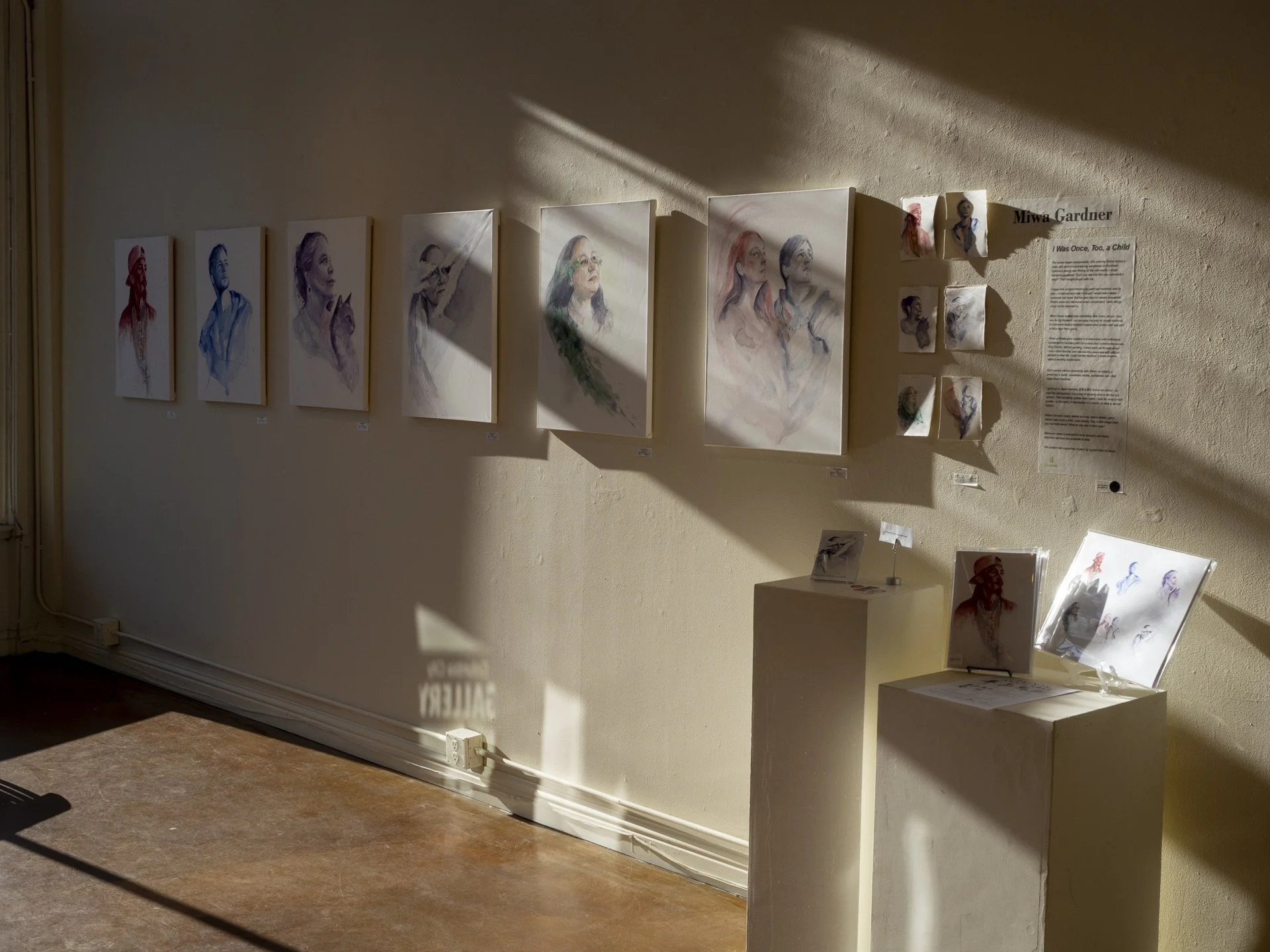
That's what happened after I Was Once, Too, a Child came down.
Not immediately. There was this strange little grace period where I was still running on momentum — answering messages, thinking about the reception, looking back at photos, still carrying the energy of everything that happened.
And then one day it hit.
A kind of lostness that was hard to explain.
Because from the outside, everything looked good.
The show happened. People came. The stories were shared.
So why did I suddenly feel so empty?
The questions that showed up
I started asking myself all the wrong questions.
What is the point of selling paintings when nobody has wall space?
Why do I keep applying when rejection is part of this path?
Am I even moving in the right direction?
At the time, those questions felt extremely logical.
I even recorded a bunch of voice memos trying to think my way through it.
Looking back now, I can see what was happening.
But when you're inside it, you really can't.
It wasn't really about the questions
I don't think I was actually questioning wall space.
Or applications.
Or whether making art mattered.
Those were just the easiest things for my tired brain to grab onto.
Underneath everything, I was just empty.
For months, this project had a direction.
Seven portraits.
Six collaborators.
Stories that people trusted me with.
Conversations, writing, organizing, preparing, sharing.
There was always another step.
And then suddenly...
nothing.
The thing I had been carrying was complete.
And maybe the crash wasn't a sign something went wrong.
Maybe it was proof something real had ended.
Around the same time, I also received a rejection from Densho.
And honestly, that one hurt.
Not because rejection is unusual — every artist knows rejection is part of this.
But because there are some opportunities you quietly start imagining.
You don't admit how much hope you put into them until the answer is no.
And when you're already tired, one rejection doesn't feel like one rejection.
Suddenly your brain wants to turn it into evidence:
See? Maybe this isn't working.
But that wasn't the truth.
That was exhaustion talking.
What I actually needed
I kept trying to fix the feeling.
Make a new plan.
Create a better schedule.
Research more opportunities.
Figure out the next strategy.
Basically — solve my way out of being tired.
But what kept coming back to me was Munich.
In 2022, I had a whole month where my only job was to paint.
Wake up.
Go to the studio.
Make something.
That was it.
I don't think I was actually missing Munich.
I was missing having one role.
I am an artist.
I paint today.
Nothing else.
[IMAGE: Munich studio / painting photo]
The reality now is different.
Most days I am switching between:
artist
business owner
content creator
grant writer
website manager
community organizer
And I love many parts of that.
But after finishing something emotionally heavy, I don't think I gave myself space to just be an artist again.
What I'll do differently next time
Next time, I want to plan the after.
Not just the opening.
Not just the deadline.
The after.
Because after a big project, there is this empty space where all the energy used to go.
And I don't want to immediately fill that space with pressure.
For the first couple weeks:
No big decisions.
No questioning my entire direction.
No deciding whether something worked or failed while I'm still recovering from making it.
Just return.
Paint quietly.
Remember why I started.
The thing I learned

The dip after a show doesn't mean the show failed.
Sometimes it happens because something mattered.
You spent months putting your energy into something, and when it's over, you feel the space it leaves behind.
That's human.
Next time, I hope I remember:
The questions I ask when I'm exhausted are not always the questions I should build my future around.
Rest first.
Then decide what's next.
[IMAGE: new painting beginning / studio desk]
Miwa Gardner — watercolor artist based in Seattle