Is AI the Death of Art? I Don’t Think So — But I Do Have One Condition

A friend recently asked me what I thought about AI and art.
Funny timing, because I had literally just finished listening to an episode of the Undraped Artist podcast asking almost the exact same question: Is AI the death of art?
And honestly… I get why artists are scared.
Part of me is too.
When something can create an image in seconds, it’s hard not to wonder: where does that leave years of learning, experimenting, failing, and finding your voice?
But the more I sat with it, the more I kept coming back to art history.
Because this question of “is the artist really making it?” is not actually new.
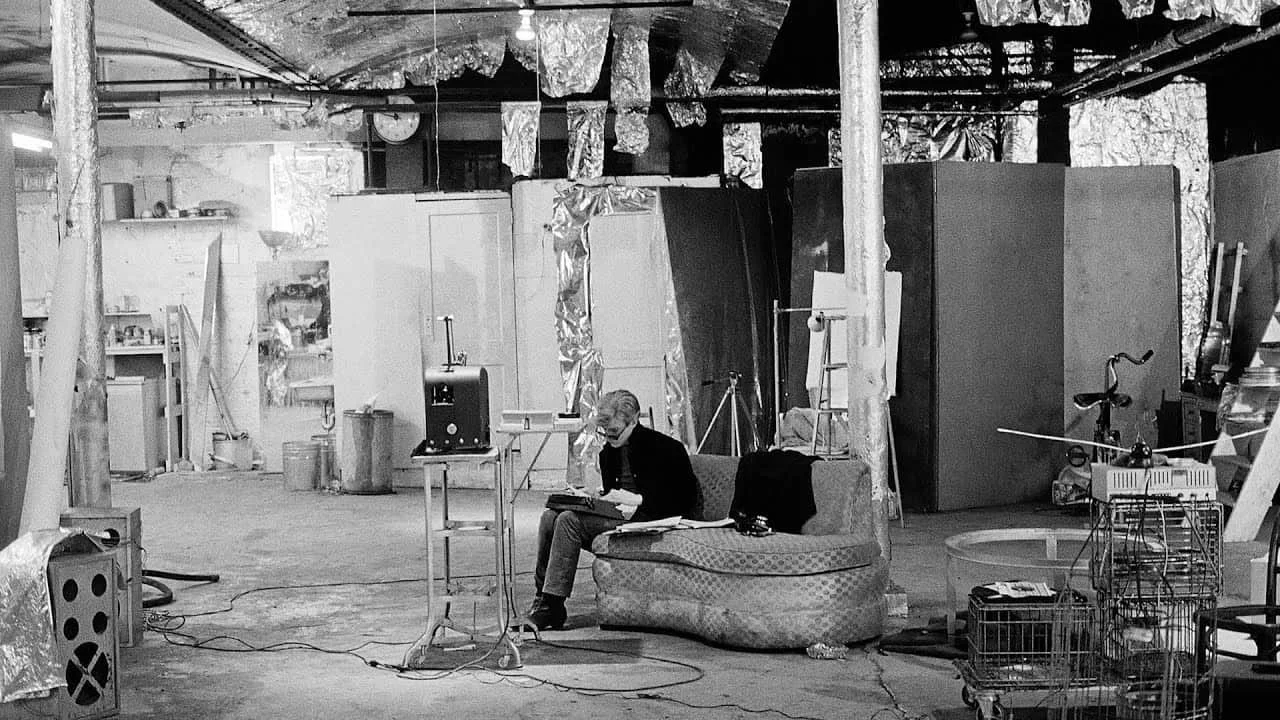
The factory-Andy Warhol
Raphael had a workshop. Titian had assistants. Huge paintings throughout history were often created by many hands, not just one person alone in a room.
Even Andy Warhol literally called his studio The Factory.
And yet we still know when something is a Warhol.
Why?
Because the hands were not the only thing making the art.
There was a way of seeing behind it.
The idea. The choices. The taste. The direction.
The artist.
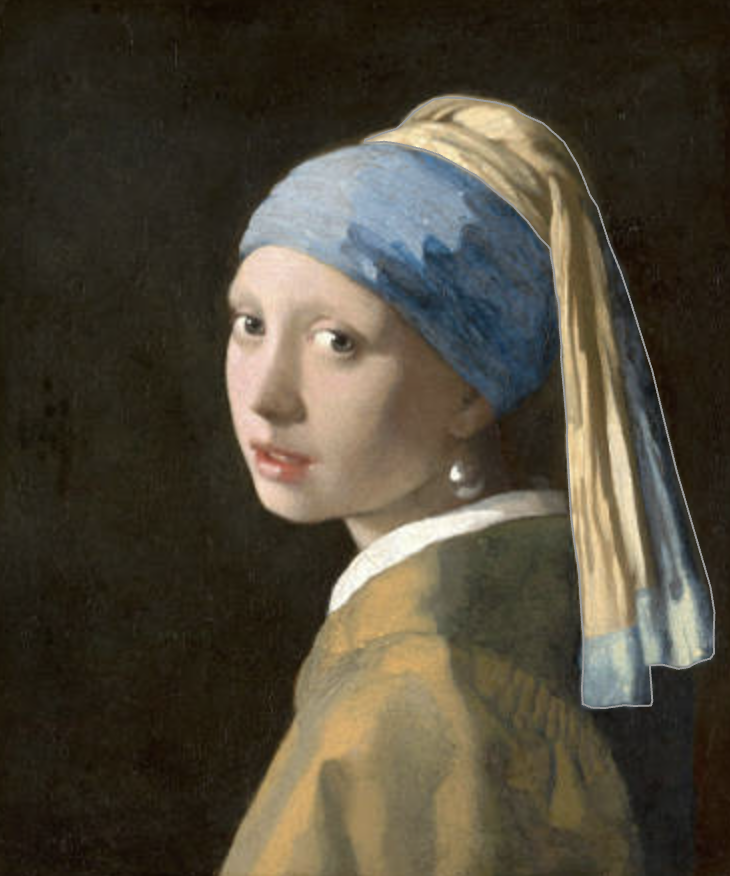
Girl with a Pearl Earring-Vermeer
Another example I always find fascinating is Vermeer and the camera obscura.
Some historians believe he may have used this optical device to help create his incredibly realistic paintings.
But does that remove the magic?
I don’t think so.
You could give the same tool to 100 people and you still wouldn’t get Girl with a Pearl Earring.
Because the tool didn’t create the silence in his paintings.
The tool didn’t choose the light.
The tool didn’t create the feeling.
That came from him.
And I think this is where I land with AI.
I don’t think tools are the problem.
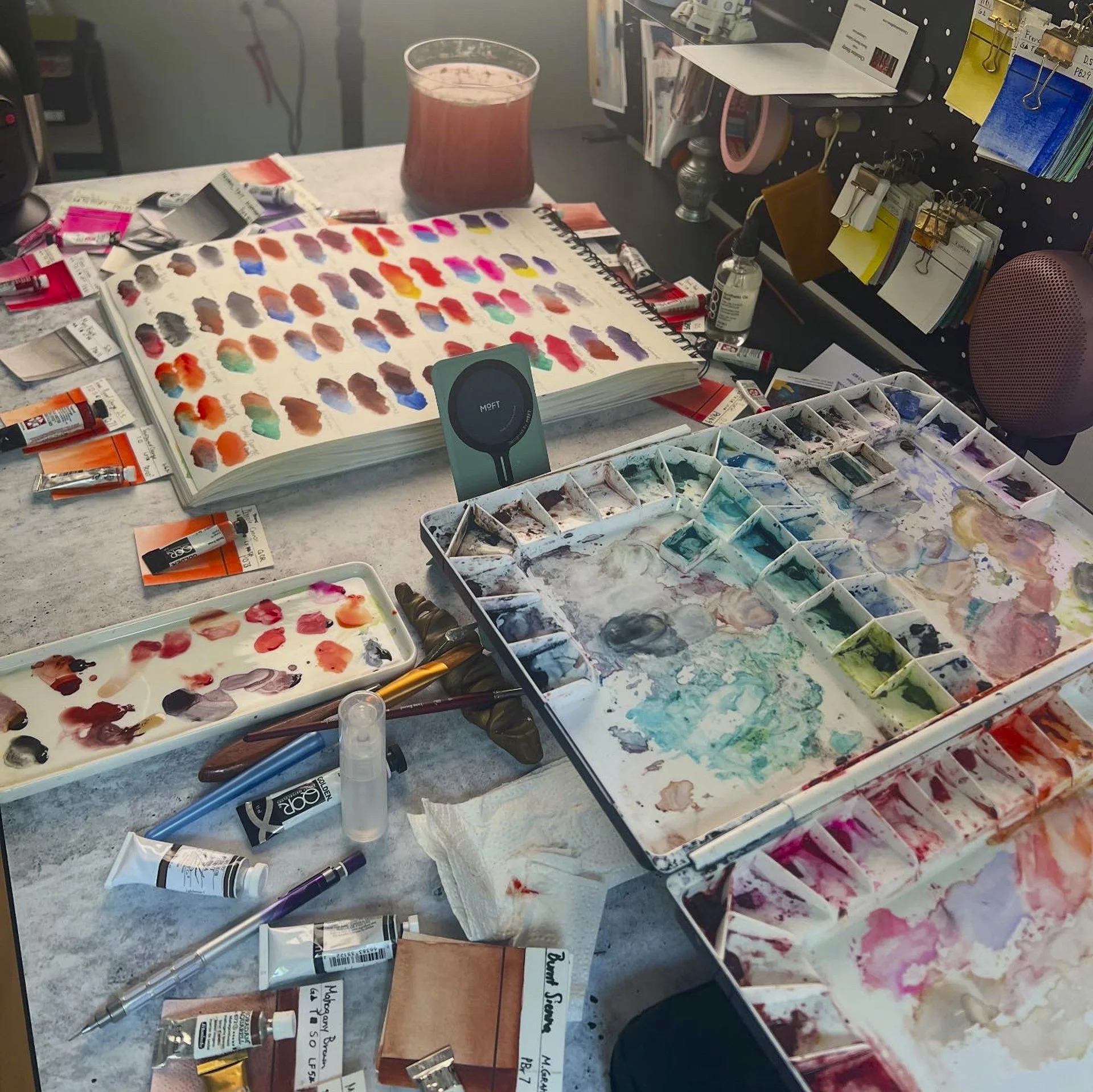
Actually, I use AI.
Not to make my paintings — but as a thinking partner.
Anyone who knows me knows my brain naturally goes in about 1,000 directions at once. I have too many ideas, too many possibilities, and sometimes everything gets tangled.
AI has helped me organize my thoughts. Plan. Reflect. Question whether an opportunity actually fits where I want to go.
But it works because I am bringing something to the conversation first.
My experiences.
My taste.
My questions.
My years of making things.
And that’s my condition.
A tool should help express what is inside you.
It shouldn’t replace the process that builds what is inside you.
Because the frustrating parts matter.
The painting that fails. The color combination that doesn’t work. The years of slowly realizing what you’re actually trying to say.
Those moments are not wasted time.
They are the moments that create the artist.
AI can collect information.
It can organize.
It can generate.
But it cannot live your life.
It doesn’t know your childhood memories, your relationships, the tiny moments that changed how you see the world.
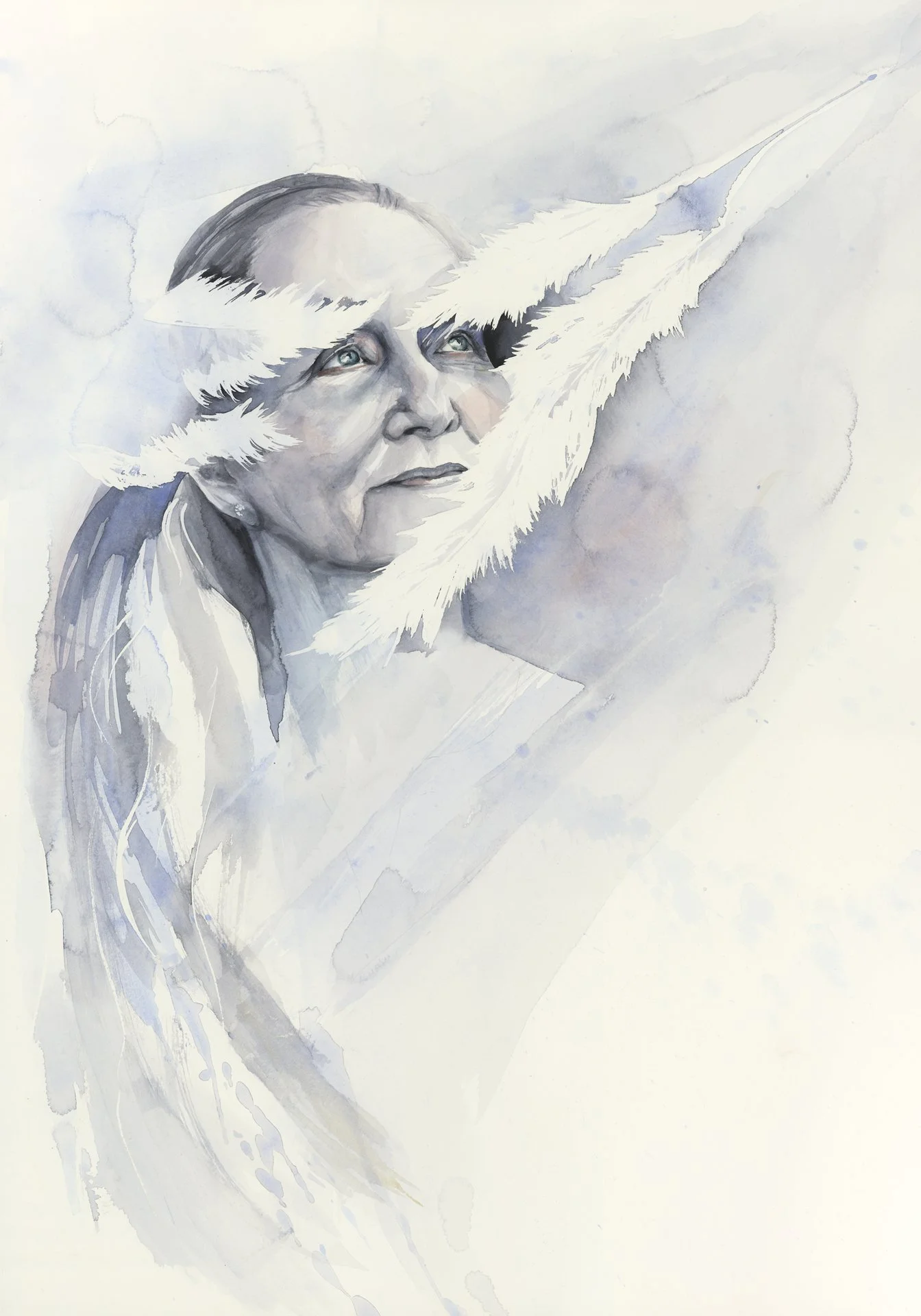
Zephyr-Miwa Gardner
It cannot experience.
And maybe that’s the part we need to protect.
Not the tools we use.
But the human being growing behind them.