5 Hard Truths About Watercolor I Learned in 2025 (That Changed My Practice)
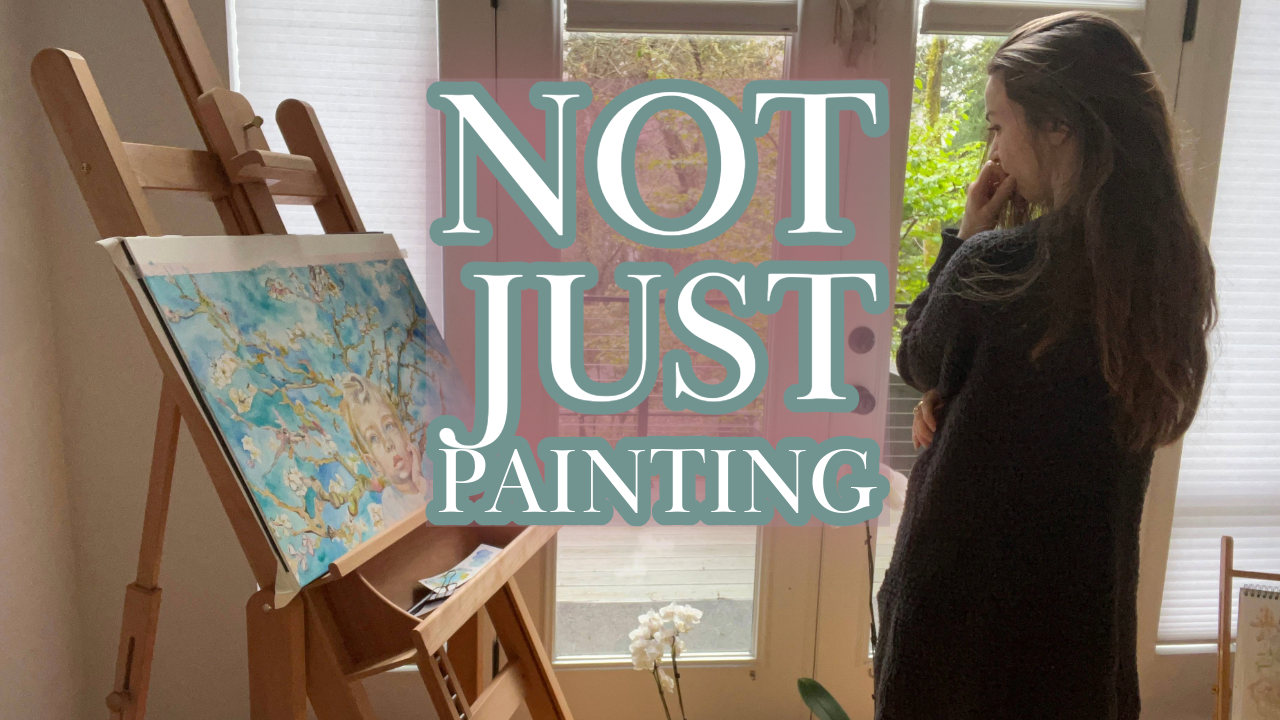
When I look back at 2025, what stands out isn’t a new technique or dramatic breakthrough.
It’s a handful of realizations that completely changed how I think about watercolor, commissions, and time.
None of them were obvious going in.
Here are the five hard truths that reshaped my practice this year.
1. Framing Changes Everything
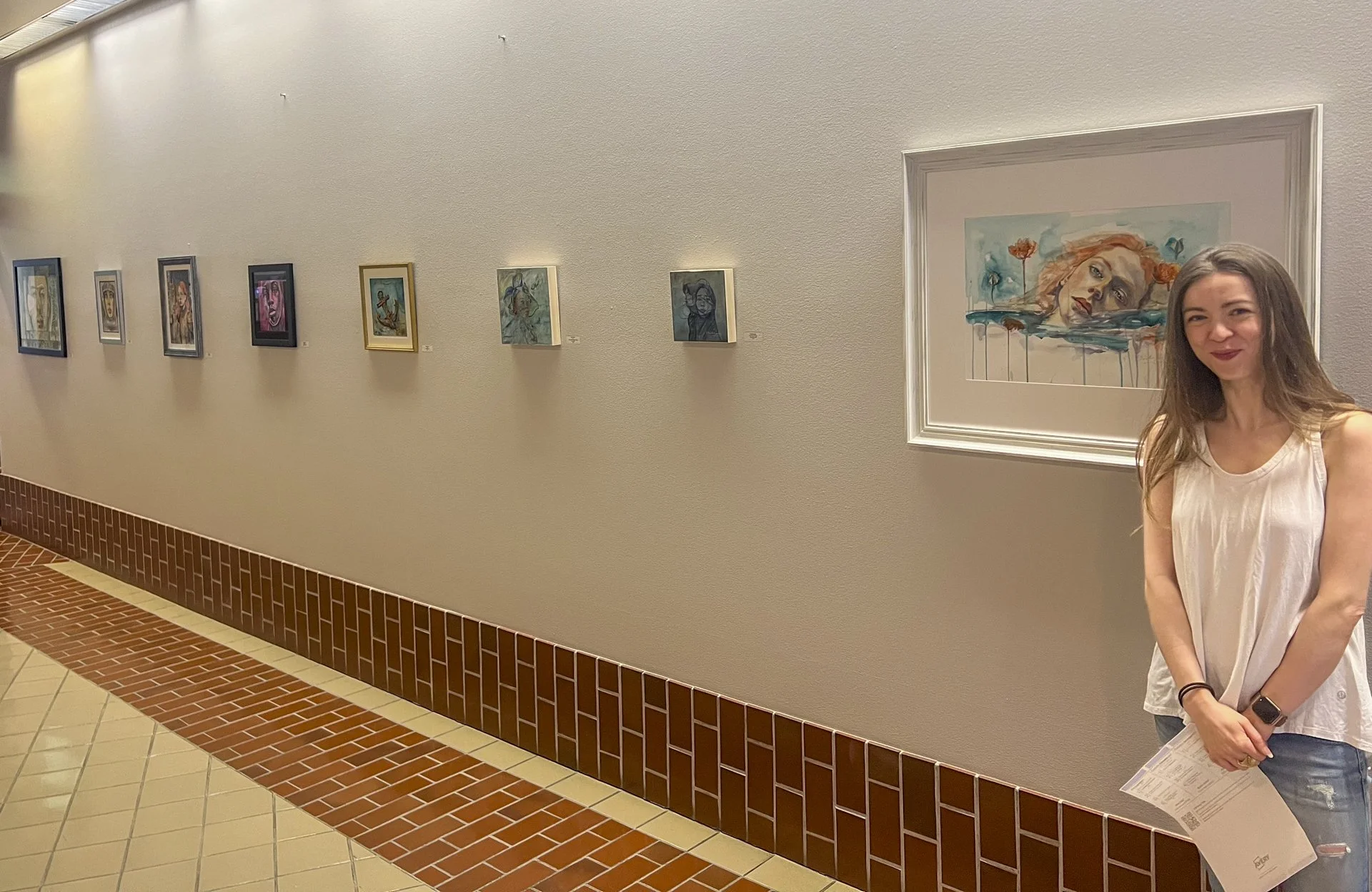
I knew framing mattered.
What I didn’t understand was:
how expensive it is
how much time it takes
how many decisions it forces
Watercolor has a particular reality: if you want to show it or sell it, framing is rarely optional.
In 2025, I experimented with:
Traditional glass framing
Cradled boards
Different finishes and protective layers
What surprised me most wasn’t the cost — it was the shift in presence.
The same painting reads differently depending on how it’s framed.
A delicate piece under glass feels intimate.
That same piece mounted on a cradled board feels more contemporary and assertive.
Framing doesn’t just protect the work.
It edits how it is perceived.
I’m still searching for the solution that feels fully aligned — but now I understand the decision is not cosmetic. It’s conceptual.
2. What Draws the Eye Is Contrast — Not Just Size
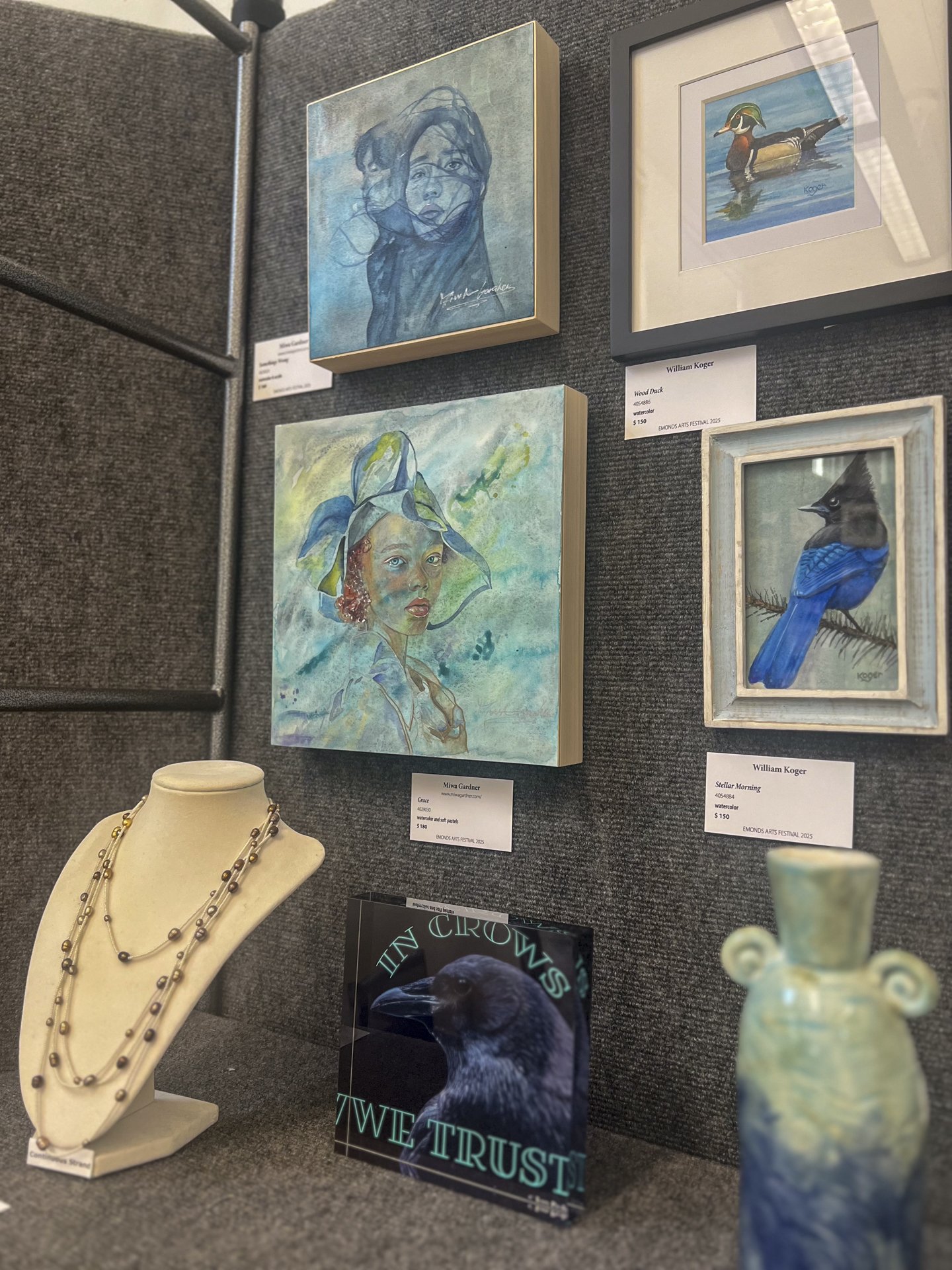
At juried shows, large paintings pull attention immediately.
Size shouts.
But size is just the easiest way to create contrast.
What actually draws the eye?
Value shifts
Saturation
Edge control
Light hitting the surface
Watercolor has a specific challenge: subtlety gets lost faster than boldness in real-world lighting.
I love non-staining pigments.
I love granulation.
I love softer, atmospheric color.
But softness without intentional contrast disappears in a crowded room.
The takeaway for me wasn’t “make bigger work.”
It was this:
Watercolor needs intentional contrast to survive real-world conditions — and there are multiple ways to create that without betraying your aesthetic.
That tension — between visibility and authenticity — became a core artistic question this year.
3. Understanding the Rules Gives Freedom — Not Obligation
I learned a lot this year about pigment behavior.
Staining vs non-staining.
Layering strategies.
How vibrancy increases with certain technical choices.
But knowing what works doesn’t mean you must choose it.
There is a difference between:
Understanding what attracts attention
andBuilding work that feels internally true
The deeper realization was this:
Mastery creates options.
It does not create obligation.
You can choose intensity.
You can choose restraint.
But that choice needs to come from internal reasons — not pressure.
4. Commissions Require Real Boundaries

I’ve always had boundaries written into my contracts.
Practicing them is harder.
During one commission this year, I tried to soothe uncertainty instead of protecting the work.
I over-explained.
I wavered.
I fed doubt instead of holding direction.
And the result was emotional and creative tension.
The turning point came when I realized:
If I don’t trust my decisions, why should the client?
Clear, gentle boundaries create safety — for both artist and collector.
When I held the line calmly, everything improved.
Not aggressively. Not defensively.
Just clearly.
5. Time Painting Still Matters Most
After everything — the experiments, the framing logistics, the commissions, the learning —
One truth stayed simple.
Time painting is the foundation.
In a conversation with Christian Hook, something he said stayed with me:
Focus.
Choose your path.
Cut the non-essential.
Everyone’s path looks different.
But for me, at least 60% of my working hours must go to painting.
Everything else — exhibitions, content, business, visibility — rests on that.
When painting time drops, everything weakens.
When it’s protected, everything strengthens.
Closing Reflection
None of these lessons were dramatic.
But together, they changed how I:
Finish a piece
Accept commissions
Structure my week
Make financial decisions
Watch the Full Video
If you prefer listening to this in a more reflective format, you can watch the full video here: