
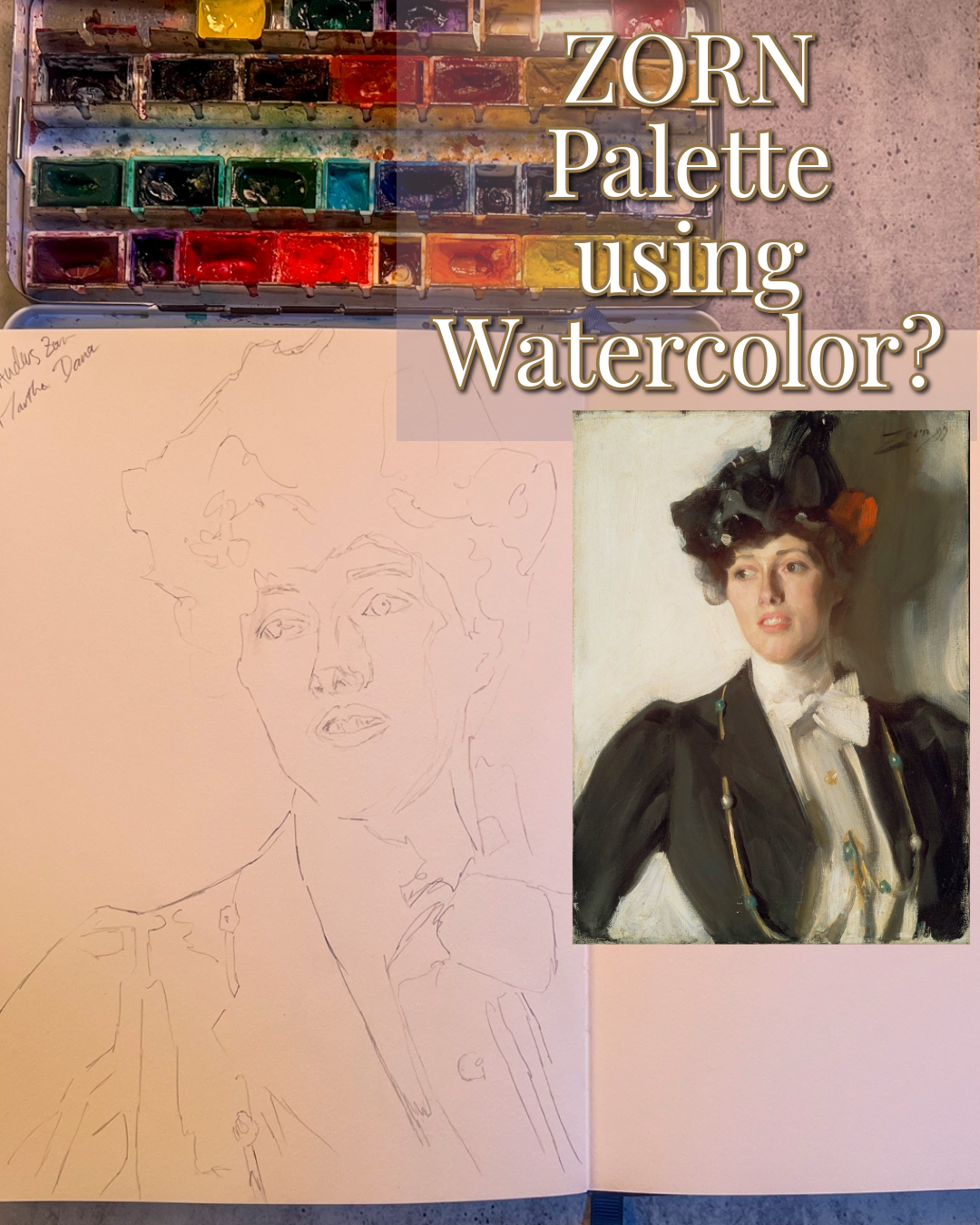
What I Learned Painting Zorn’s Martha Dana With a Limited Watercolor Palette
I painted Anders Zorn’s Martha Dana using Yellow Ochre, Cadmium Red Light, Ivory Black, and white gouache. Here’s what I learned about translating the Zorn palette from oil into watercolor, including the surprising role of white.
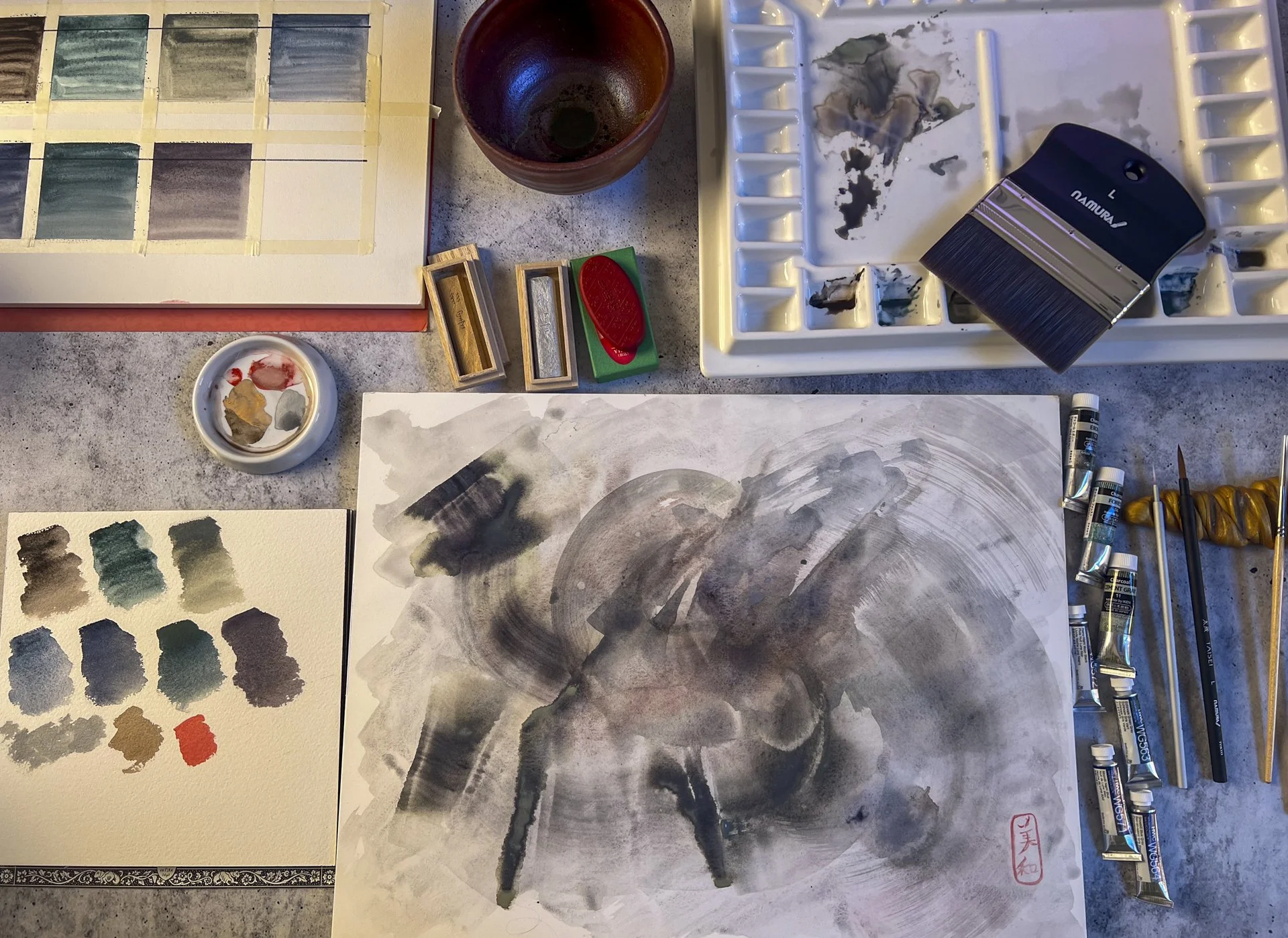
Testing Rare Japanese Watercolors: What Surprised Me Most
I put rare Kusakabe charcoal watercolors and Holbein granulating paints through a studio stress test to see which tools earn a permanent place in my professional portrait workflow — and one color completely surprised me.
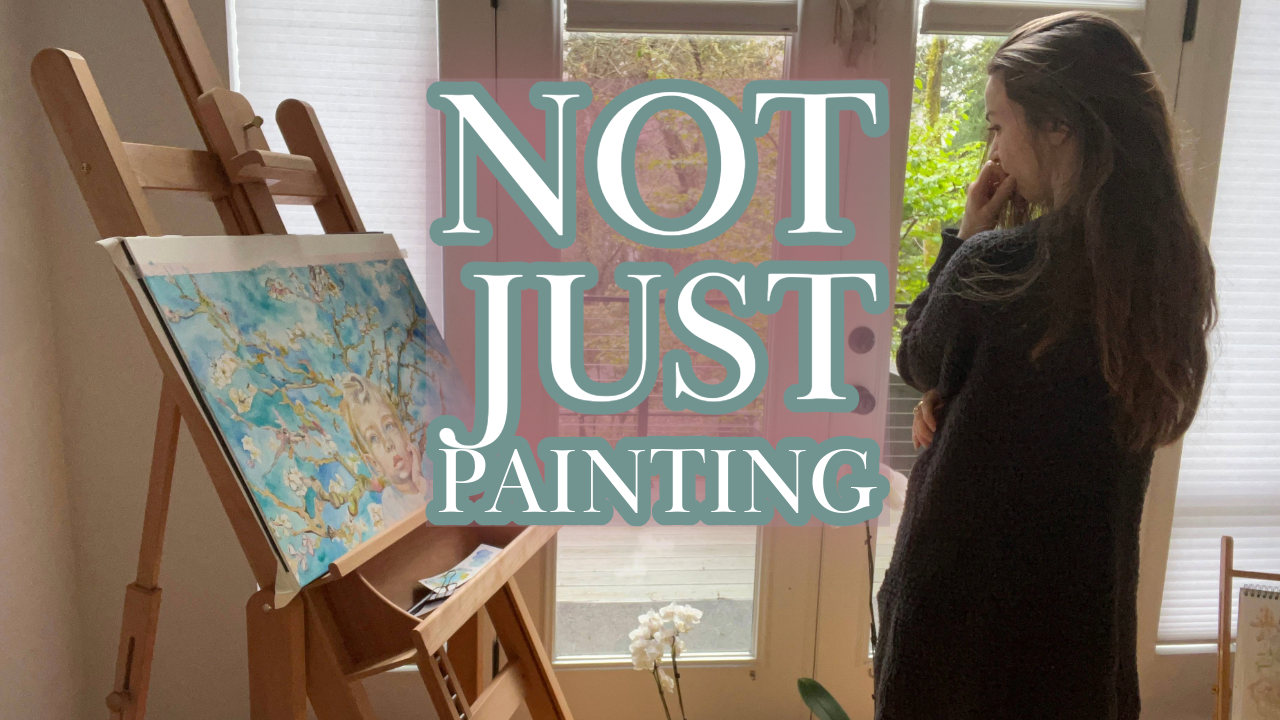
5 Hard Truths About Watercolor I Learned in 2025 (That Changed My Practice)
In 2025, watercolor didn’t change — I did.
Not through dramatic breakthroughs, but through five quiet realizations about framing, commissions, contrast, and time. These lessons reshaped how I finish paintings, how I set boundaries, and how I protect the hours that matter most.
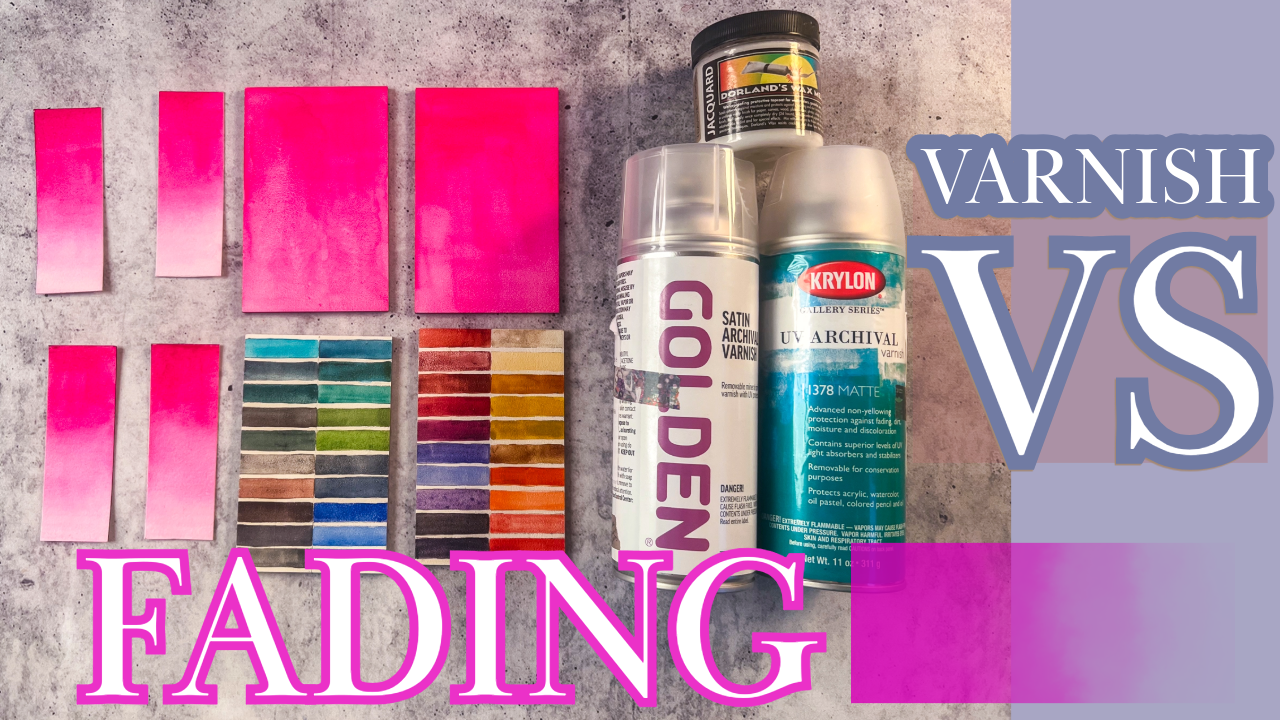
Opera Pink. Will It Fade? A Long-Term Window Test
Opera Pink is known to fade. Instead of speculating, I set up a long-term window test on paper and Aquabord with varnish and wax. This post documents the setup and what I am watching over time.
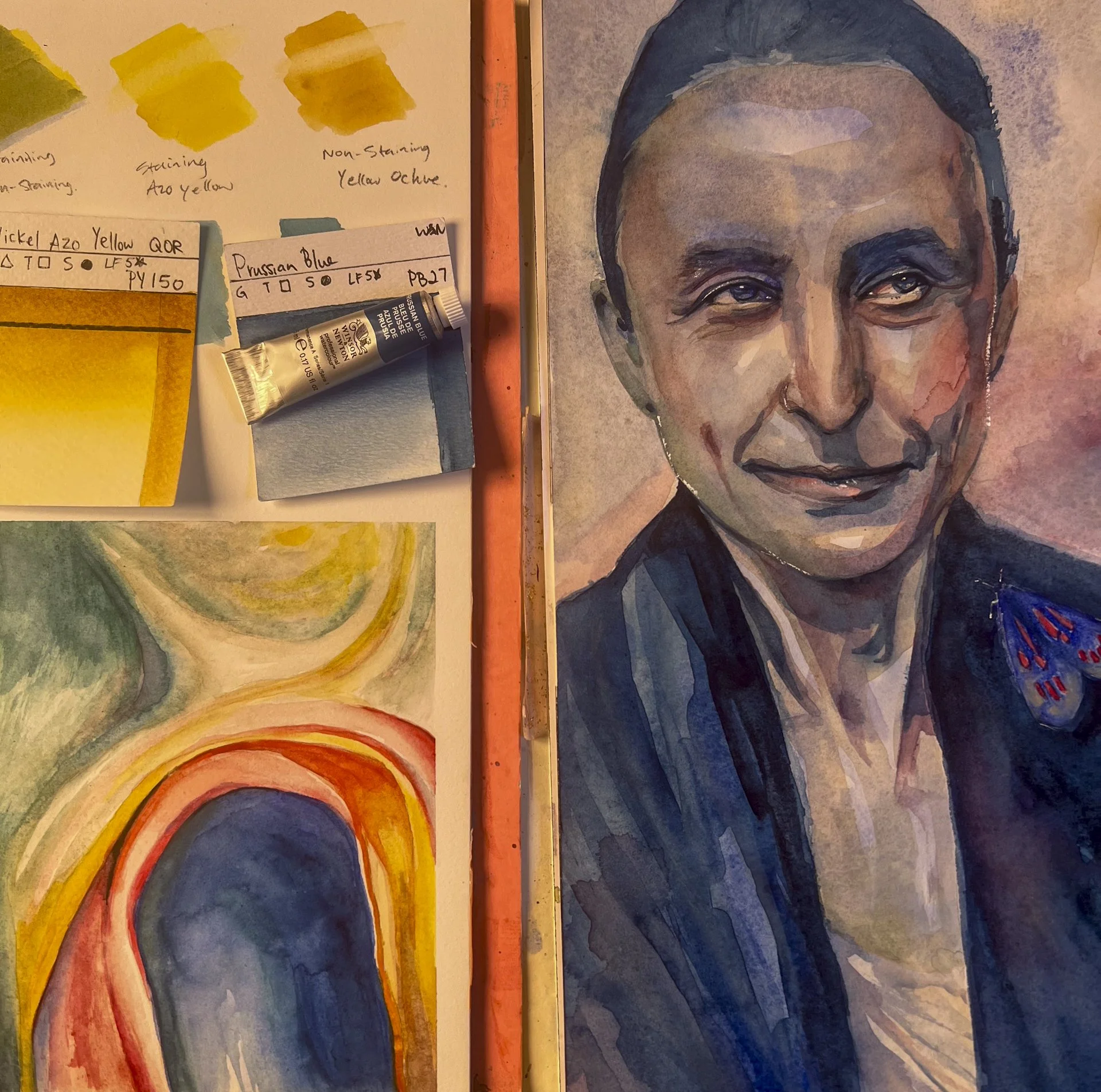
Staining First, Then Liftable: What a Georgia O’Keeffe Study Taught Me About Glow
In watercolor, glow is not only about color. It is about where pigment sits in the paper. For this O’Keeffe portrait, I reversed the usual layering order to see what would happen.
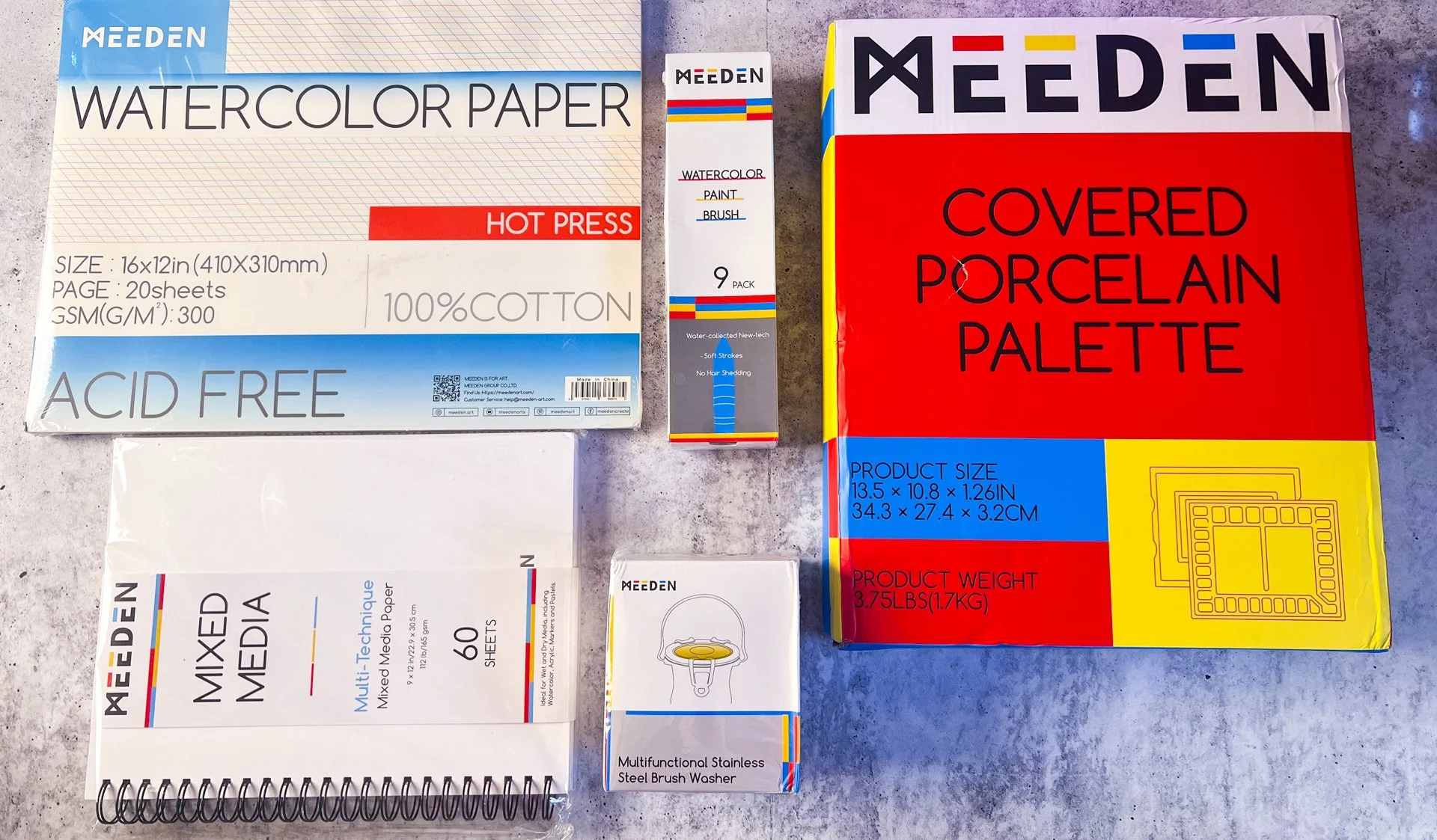
What Actually Survives My Studio: Testing MEEDEN Watercolor Supplies
A calm, studio-based look at how I test art supplies in real conditions. What stayed, what didn’t, and why fit matters more than hype.
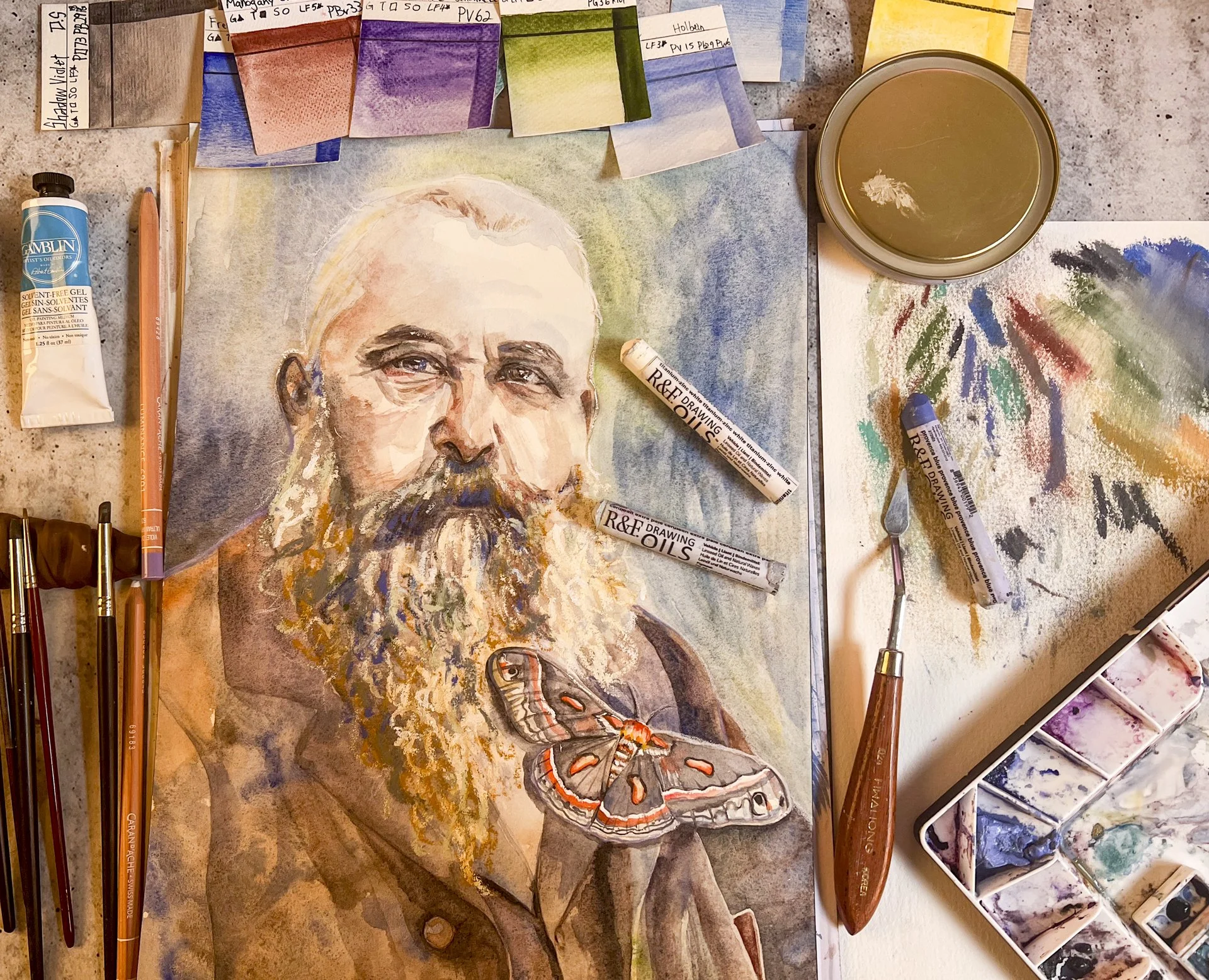
Reimagining Monet: What I Learned Mixing Watercolor and Drawing Oils
A studio reflection on testing a rule I’d long accepted. What mixing watercolor and drawing oils taught me about material boundaries, risk, and paying closer attention.

Child, Blossom: Painting Through a Pause in Parenthood
A moment at daycare stayed with me longer than I expected. This painting began not with certainty, but with hesitation, reflection, and the slow work of paying attention.
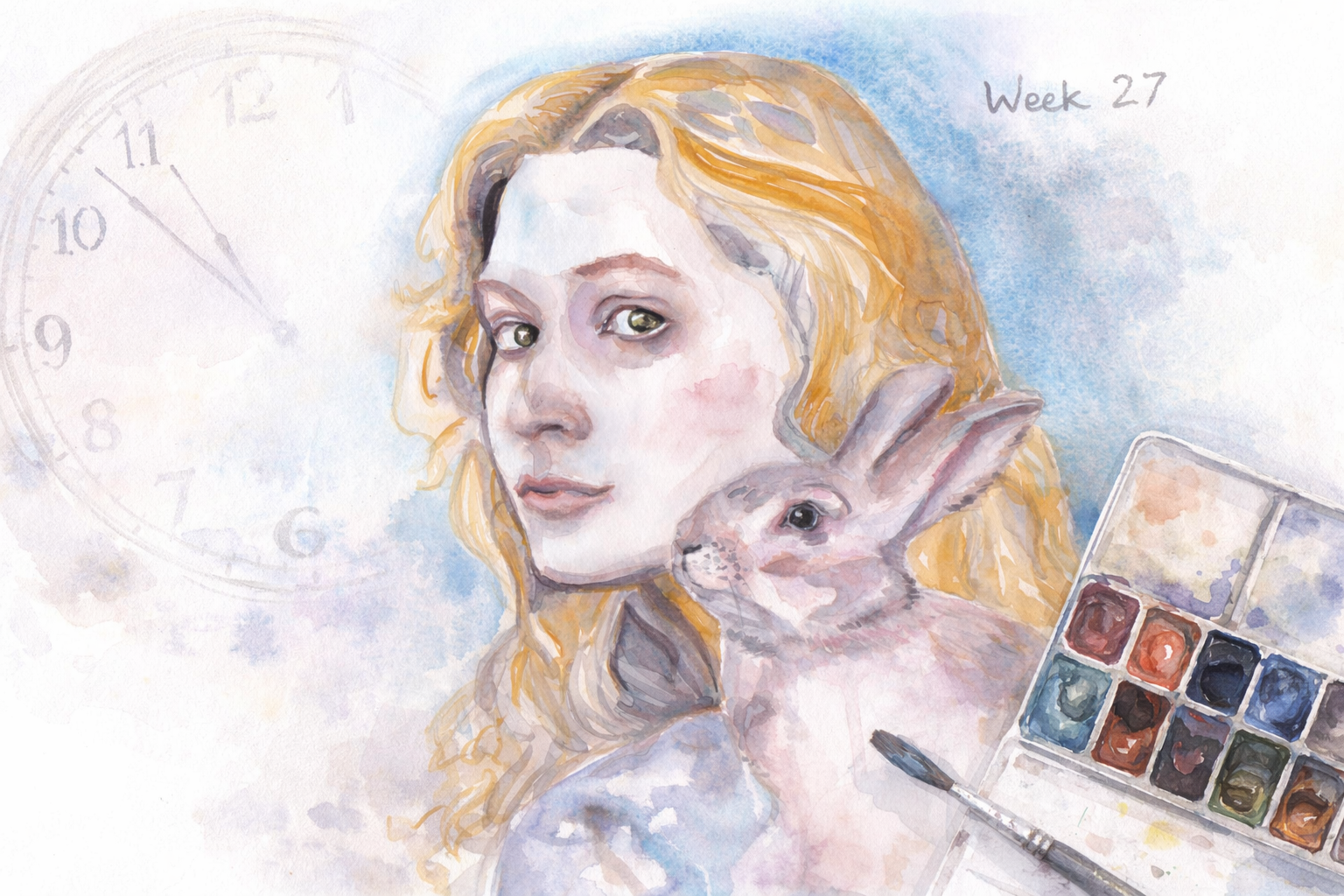
🎨 Can You Really Track Artistic Growth?
Can artistic growth really be tracked, or is it too subjective to measure? Instead of focusing on numbers or output, this essay explores how artists can build their own version of art school through attention, reflection, and intentional practice. Growth leaves traces if you learn how to notice them.

Can You Paint Like Picasso… Without Watercolor Paper?
When watercolor isn’t on paper, everything about the process shifts — control, patience, even emotion. Here’s what I discovered while painting like Picasso on Aquabord, copper, and hot press paper.

🎨 Fugitive Watercolors and Their Permanent Dupes
Some of watercolor’s most beloved colors — like Opera Pink and Moonglow — are also the least permanent. I tested these fugitive pigments and created lightfast dupe mixes so you can keep the look without the fade.
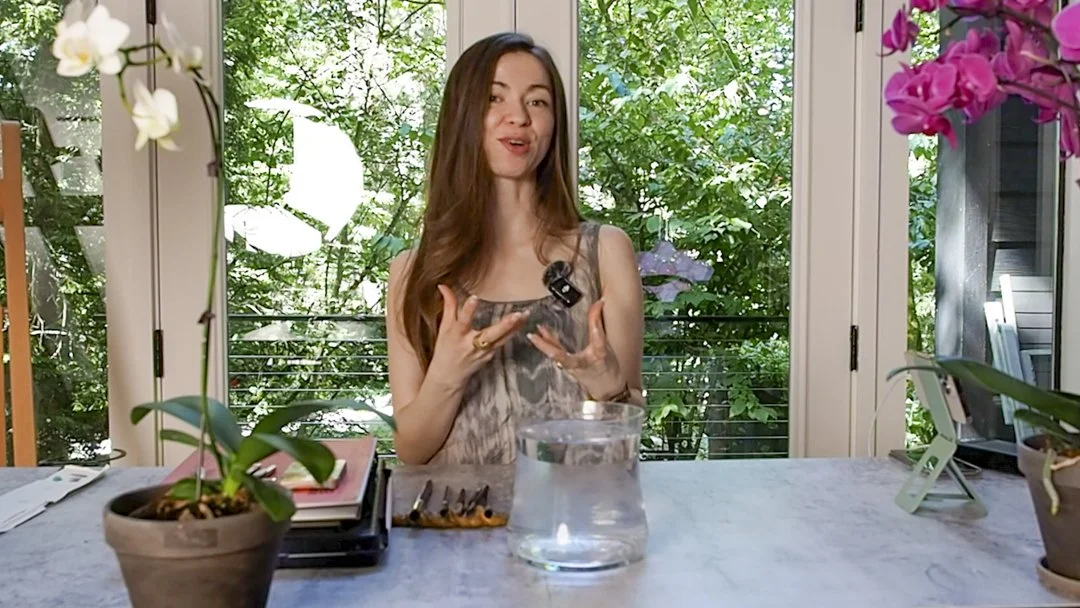
🎨 New Class: Beginner Watercolor – Express Your Emotions with Flower-Inspired Color
I just released a new watercolor class on Skillshare, and it’s all about relaxing with color — no drawing needed.
Beginner Watercolor: Create Abstract Art with Flower-Inspired Color is a gentle, beginner-friendly class where you’ll explore how flower colors make you feel — and turn those feelings into soft, expressive brushstrokes.
Whether you’re new to watercolor or just want to unwind creatively, this class invites you to slow down, play with color, and enjoy painting without pressure.

Exploring Egon Schiele’s Raw Art and the Influence of His Life
Egon Schiele’s art is defined by its raw intensity and emotional depth. His ability to capture the vulnerability of the human body—through angular, distorted figures—pushed the boundaries of traditional portraiture. Inspired by his own tragic loss and psychological struggles, Schiele’s work conveys the complexities of life, death, and sexuality in a way that is both unsettling and beautiful.
In this blog, I explore how Schiele’s early influences, like Gustav Klimt, shaped his journey as an artist, and how he eventually broke free from those conventions to develop his own unique voice. I also discuss the lasting impact Schiele has had on contemporary artists like Agnes Cecil, whose work continues to embrace the rawness and honesty that Schiele so brilliantly mastered. Join me as I reflect on how his art has influenced my own and the lessons I’ve learned from Schiele’s emotional approach to creation.

Same Pigment, Different Feel: My Artist Thoughts on Watercolor Comparisons Across Brands
Even when two watercolor tubes share the same name or pigment number, they can behave in surprisingly different ways across brands. In this blog, I reflect on my hands-on comparisons of over 200 watercolors from M. Graham, Daniel Smith, Schmincke, Winsor & Newton, Holbein, QoR, and more. I break down which pigments shine, which ones surprise, and how subtle differences in granulation, opacity, and flow shape my artistic choices. Whether you’re a painter or a pigment lover, you’ll find insights here to guide your own color decisions.
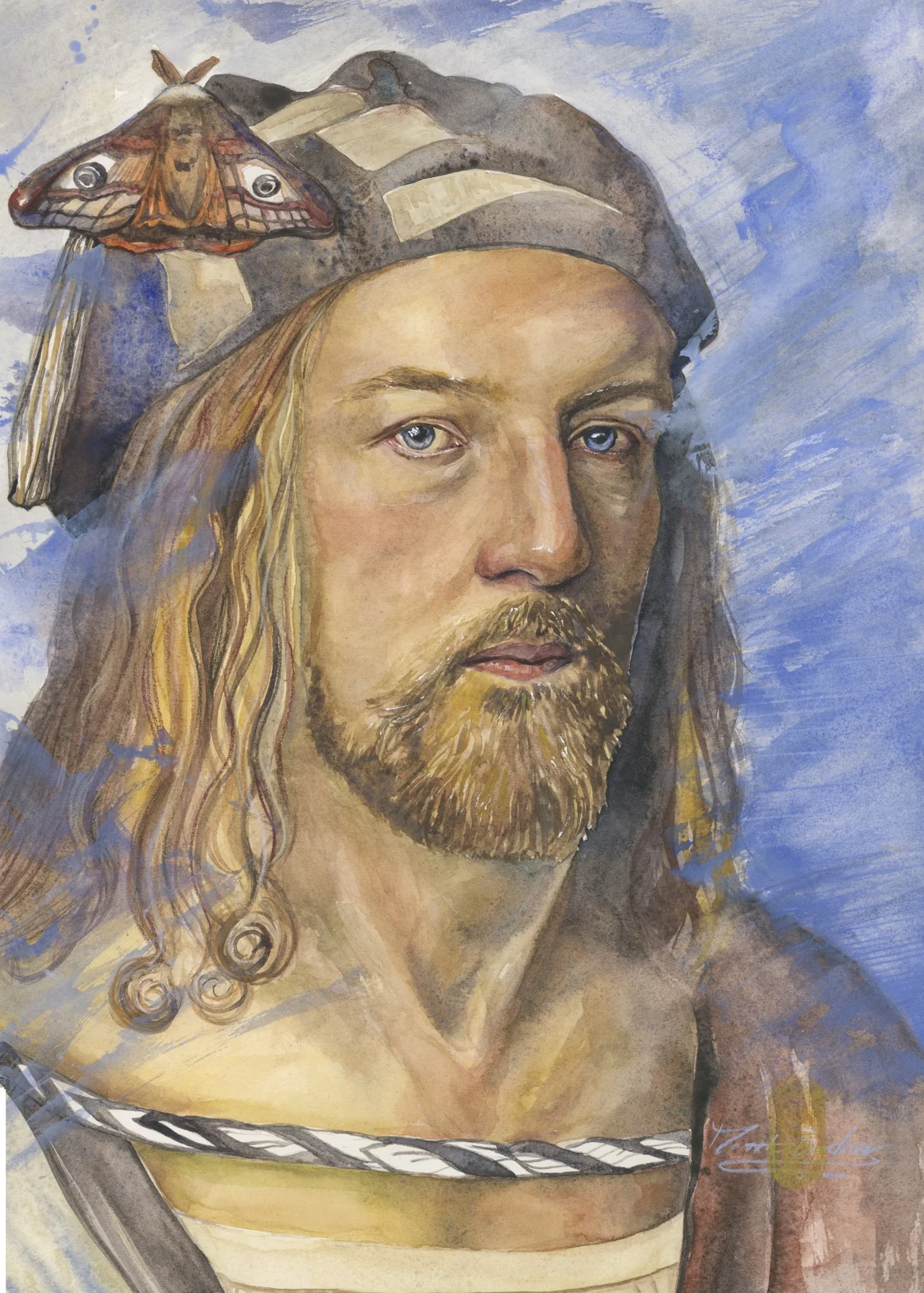
What Albrecht Dürer Taught Me: Discipline, Line, and Tuning-in
I never thought I’d feel a connection with Albrecht Dürer. His work always felt too technical, too rigid—nothing like the way I paint. But when I started studying him for my Masters Reimagined series, something shifted. From a gouache skull study to a rhinoceros that tested my patience, to a final portrait that made me pause—I didn’t come away painting like him, but I came away understanding something. About discipline. About detail. About how copying isn’t the goal. Listening is.

How to Choose the Perfect Color Palette for Your Art: Unboxing Palette Scout
Choosing the right colors can transform your art—and it doesn't have to feel overwhelming. In my latest video, I share how I select color palettes that set the tone for a painting, featuring a hands-on look at a tool called Palette Scout. If you’ve ever struggled with picking colors that feel just right, this guide is packed with practical tips, inspiration, and a process you can make your own.

How to Commission a Custom Watercolor Portrait: A Complete Guide
Commissioning a watercolor portrait is about more than capturing a likeness — it’s about preserving a feeling, a fleeting moment, in a timeless and personal way. With their softness and emotional depth, watercolor portraits transform everyday expressions into lasting memories. From choosing the right artist to understanding the process, commissioning a portrait is a journey that adds a meaningful, handcrafted piece of art to your family’s story.

Trying to Paint Like Van Gogh
Van Gogh—well, Vincent—has always felt personal to me. For my March Masters Reimagined study, I tried painting with his energy using watercolor and pastels. Not to copy him, but to understand him. What surprised me most wasn’t how he painted, but how deeply he noticed. This project changed the way I see movement, emotion… and even led me into my next piece, Child, Blossom.

Reimagining J.M.W. Turner: His Life, Work, and Impact
Born into a working-class family, J.M.W. Turner rose from humble beginnings to become one of the most revolutionary artists in history. His unique ability to capture light, atmosphere, and emotion in landscapes speaks to his genius, but his path to success was shaped by his resilience and independence. Turner’s upbringing in the bustling streets of London fueled his drive to create art that transcended the conventional. Despite lacking the privileges of his peers, Turner’s raw talent and innovative spirit led him to challenge the established norms of the art world, ultimately leaving a legacy that still resonates with artists today. It’s that same sense of boldness and exploration that I channel into my own work, whether experimenting with his watercolor techniques or reinterpreting his masterpieces in my own style.

Trying to find myself again
Lately, I’ve felt lost—not in painting, but in creating content just to reach people. I set ambitious goals for YouTube, my podcast, and social media, only to find myself chasing numbers instead of meaning. Seeing another artist's journey made me realize I’ve been caught in the same cycle—shaping content around visibility rather than authenticity.
But today, I painted just for the sake of it. No overthinking, no pressure. I let myself return to the emotions that first drove me to create—the quiet sadness I felt after my son was born, knowing he would have to face his own struggles. That moment of reflection brought clarity: I want to share my art, my process, and my truth—not just what might perform well.
It’s time to reset. Thanks for being here through this. Now, back to painting.