Can You Varnish Watercolor on Yupo Paper? I Tested Golden Archival Spray vs Dorland’s Wax
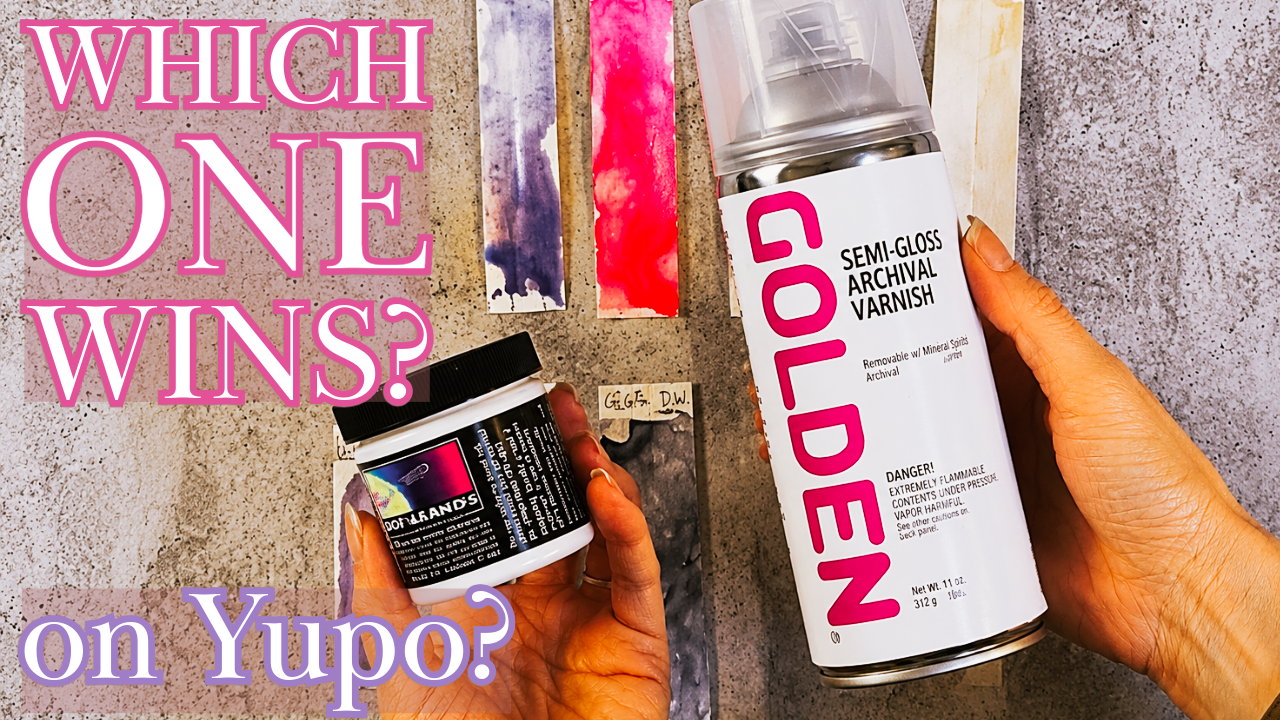
For years, I avoided varnishing my Yupo watercolor paintings.
A few years ago, I tried sealing a finished Yupo portrait with varnish, and the surface just didn’t look the way I wanted. The finish changed, I couldn’t reverse it, and eventually I gave that painting away.
Since then, my default recommendation has always been simple:
Frame Yupo watercolor paintings behind glass.
But recently, as I’ve been creating more Yupo portrait commissions, I started wondering again:
Is varnishing Yupo actually possible?
Because sometimes a client wants a different presentation — maybe a painting mounted directly onto a cradled panel with no frame and no glass.
So I tested two options:
Golden Archival Spray Varnish (Semi-Gloss)
(Some links in this post are affiliate links, which means I may earn a small commission at no extra cost to you. I only share materials I personally use and test.)
Here’s what happened.
Why Yupo Is Difficult to Protect
Yupo is very different from traditional watercolor paper.
Regular watercolor paper absorbs pigment into the fibers.
Yupo is a non-porous synthetic surface, which means watercolor sits mostly on top.
That creates the magic:
beautiful vibrant colors
easy lifting
unusual textures
the ability to wipe areas away and repaint
…but that is also exactly the problem.
Because the paint isn’t absorbed deeply, moisture or friction can reactivate and remove it.
The Test Setup
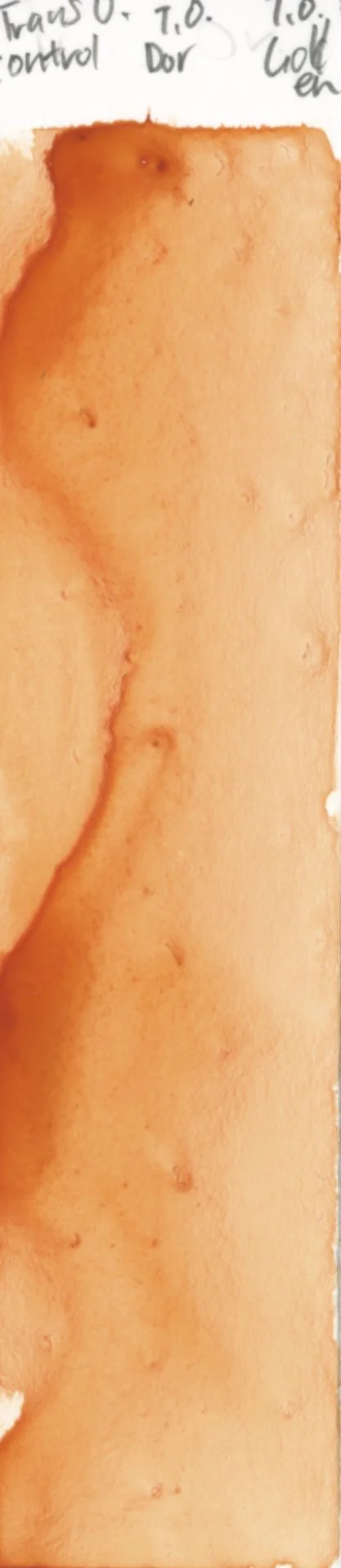
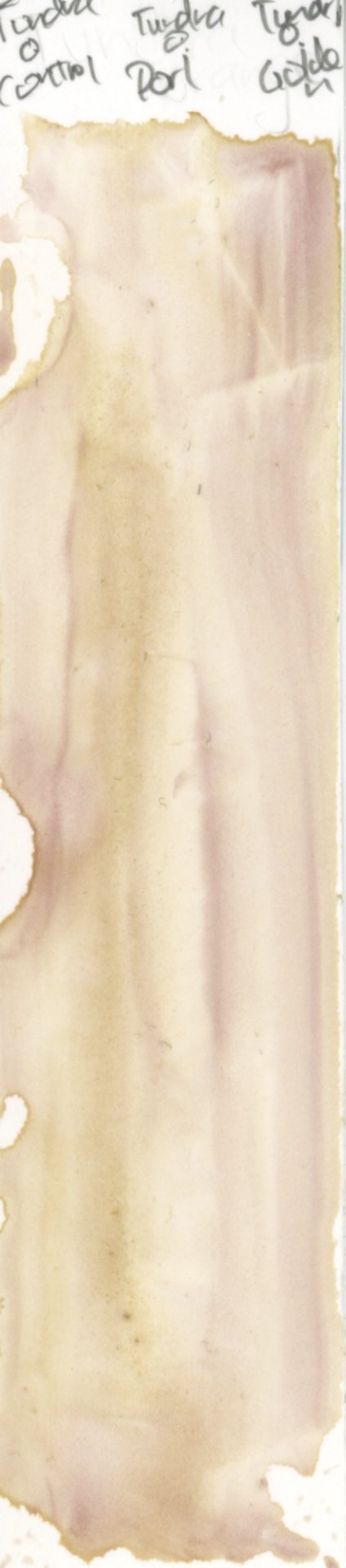
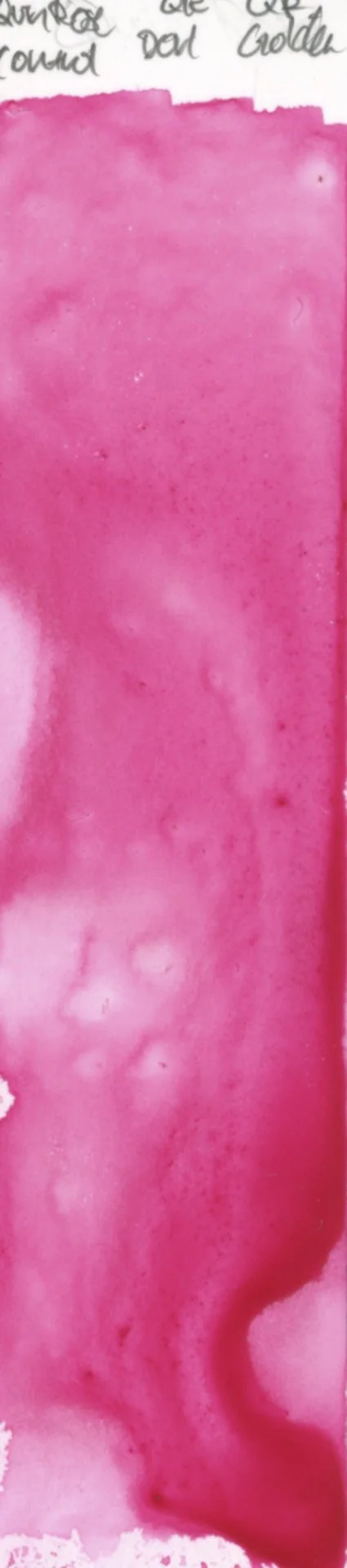
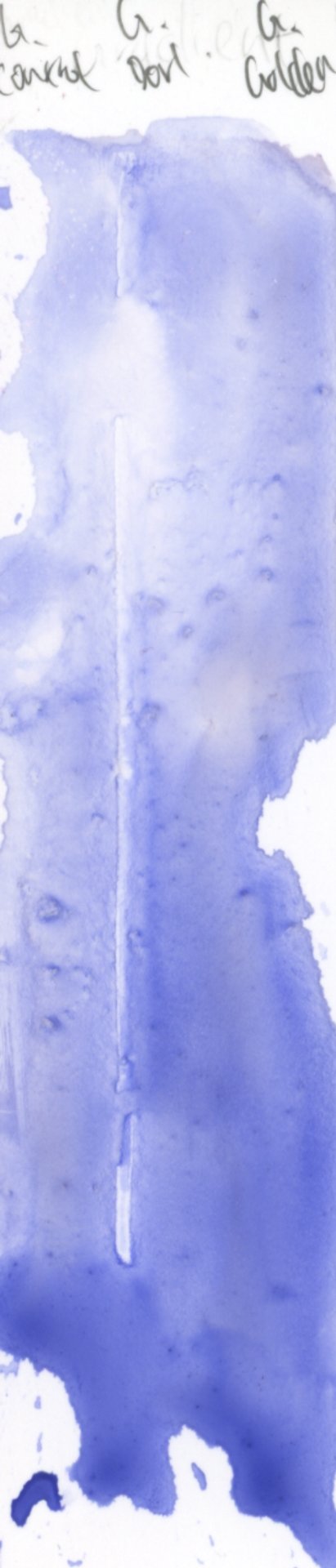
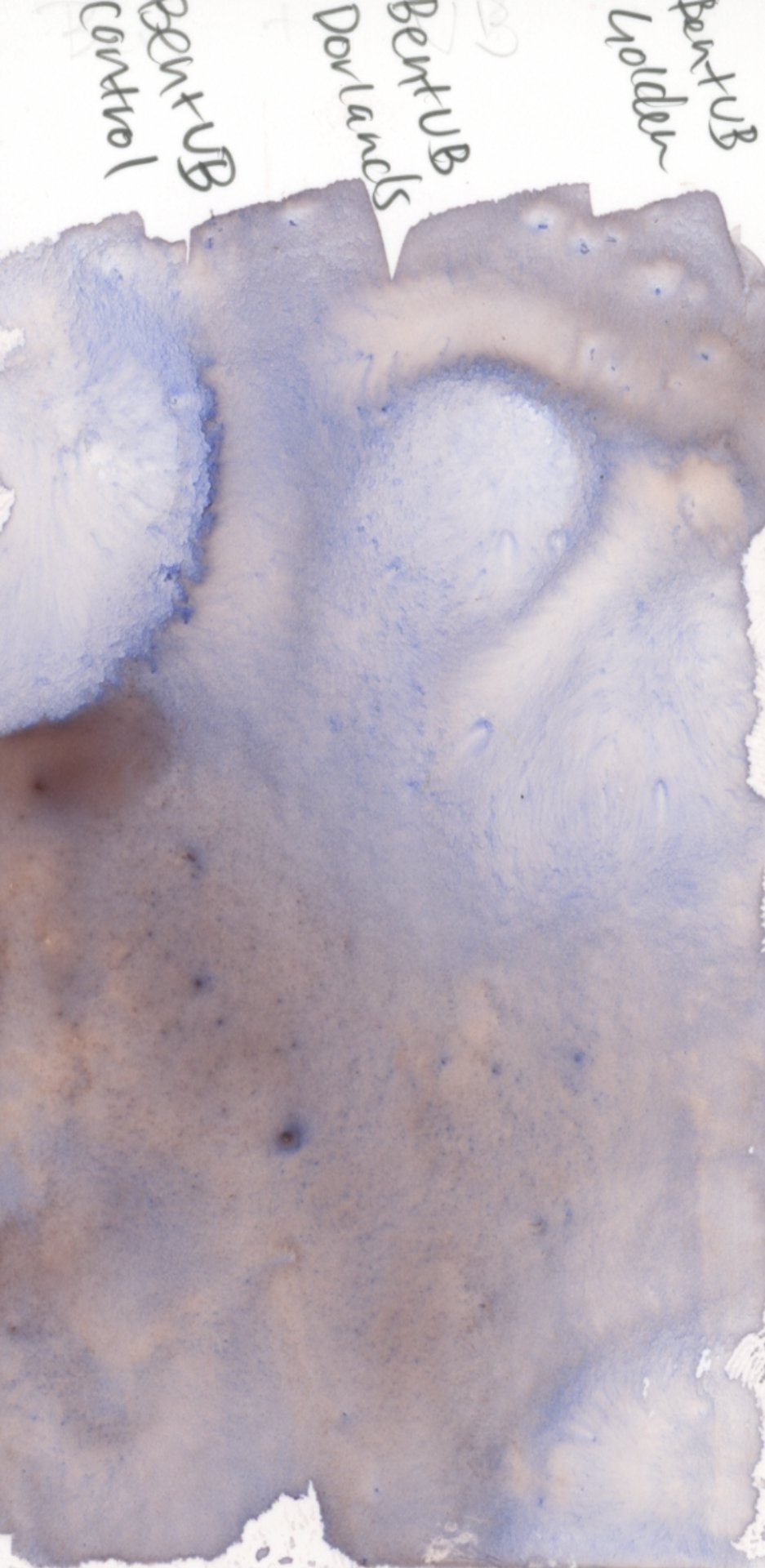
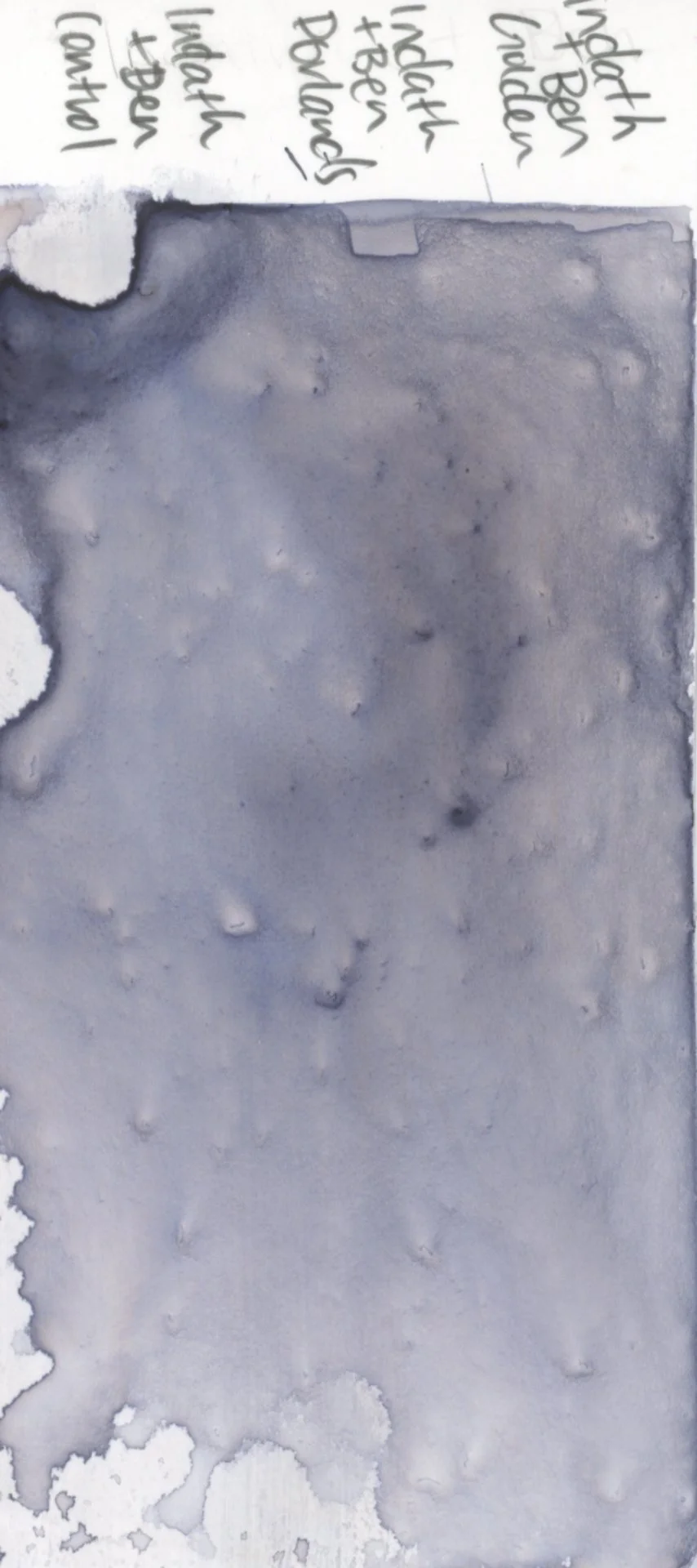
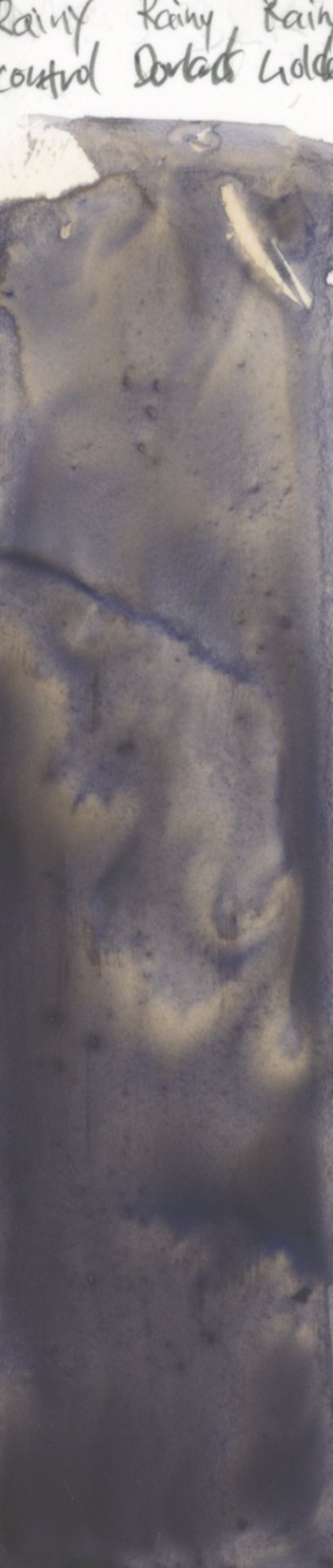
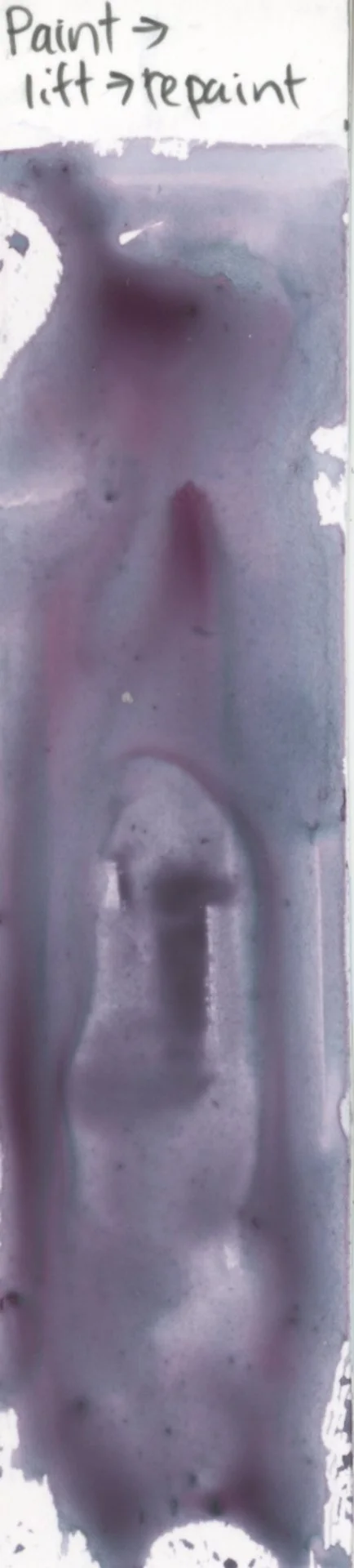
I created eight watercolor swatches on Yupo to test different situations:
portrait colors (especially Transparent Orange)
bright staining pigments like Quinacridone Rose
gradients
neutral mixtures
dark values
granulating colors like Holbein Rainy Night and Moonglow
areas that were lifted and repainted
I wanted to see not only if the varnish protected the painting — but if it changed the qualities that make Yupo beautiful.
[INSERT IMAGE: all swatches before varnish]
Test 1: Dorland’s Wax Medium on Yupo
I’ll admit: this one made me nervous.
When I first applied the wax, I was worried the rubbing motion would immediately move the watercolor underneath.
Surprisingly, it didn’t.
But application was tricky.
My studio was around 17°C (about 63°F), and the wax was harder than I expected. Warming it slightly helped create a smoother application.
I applied:
first coat
waited around 30 minutes
second coat
Results:
Protection:
✔ Some water resistance
✔ Did not immediately disturb paint during application
Appearance:
❌ More matte finish
❌ Reduced some of the glossy, vibrant feeling I love about Yupo
For me, this was the biggest issue.
A huge reason I paint portraits on Yupo is because of the saturation and luminosity — and I felt the wax changed that character.
Test 2: Golden Archival Spray Varnish on Yupo
For Golden, I used a very cautious approach.
I sprayed from about 12 inches / 30 cm away.
I applied:
6 very light coats total
first 3 coats about 30 minutes apart
final coats about 15 minutes apart
The biggest surprise?
The paint did not lift.
Results:
Protection:
✔ Passed my water test
✔ Paint stayed in place
Appearance:
✔ Preserved color better than wax
✔ Maintained more of the Yupo feeling
The only thing I noticed:
When viewed from an angle, I could see tiny micro droplets from the spray texture, and the surface became slightly less glossy.
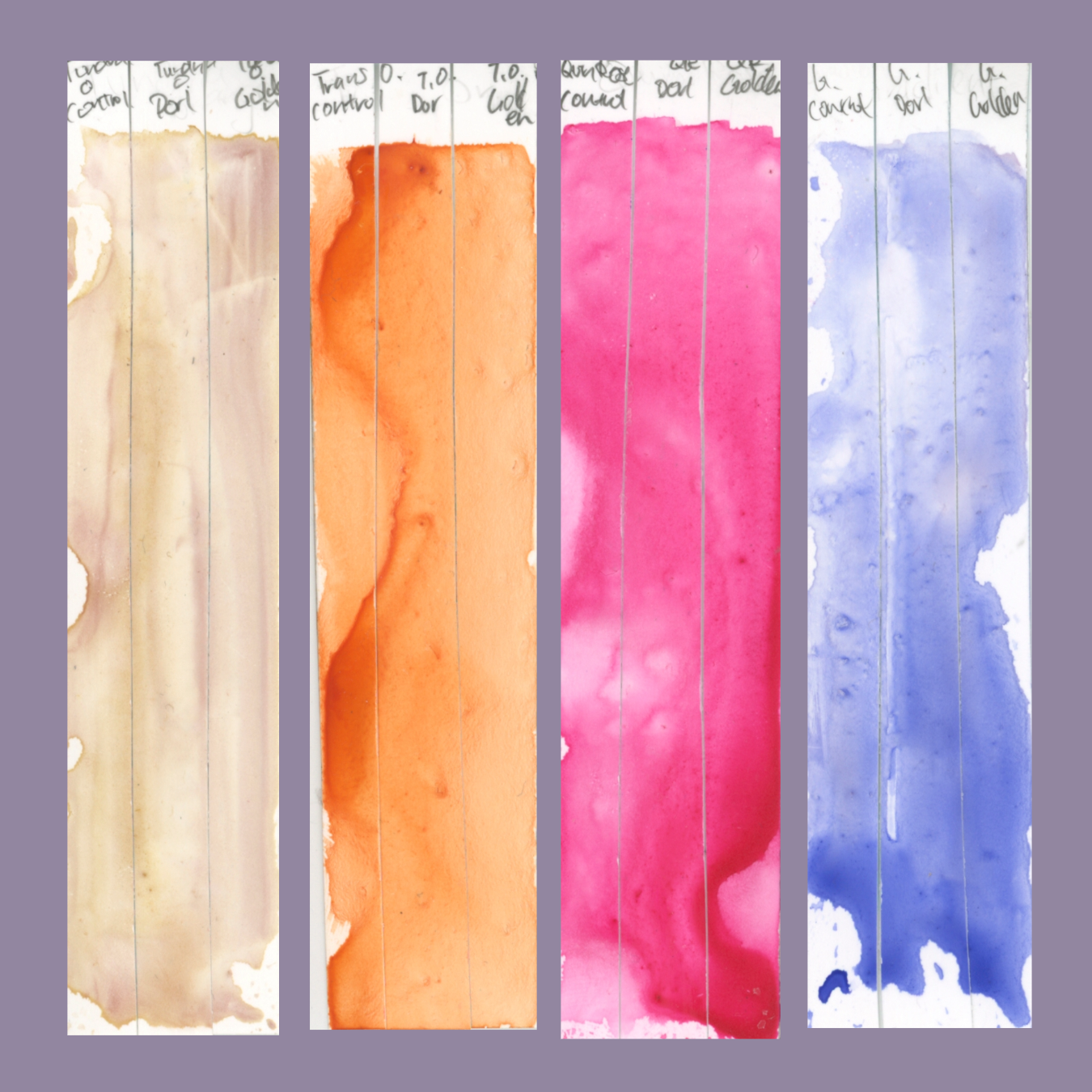
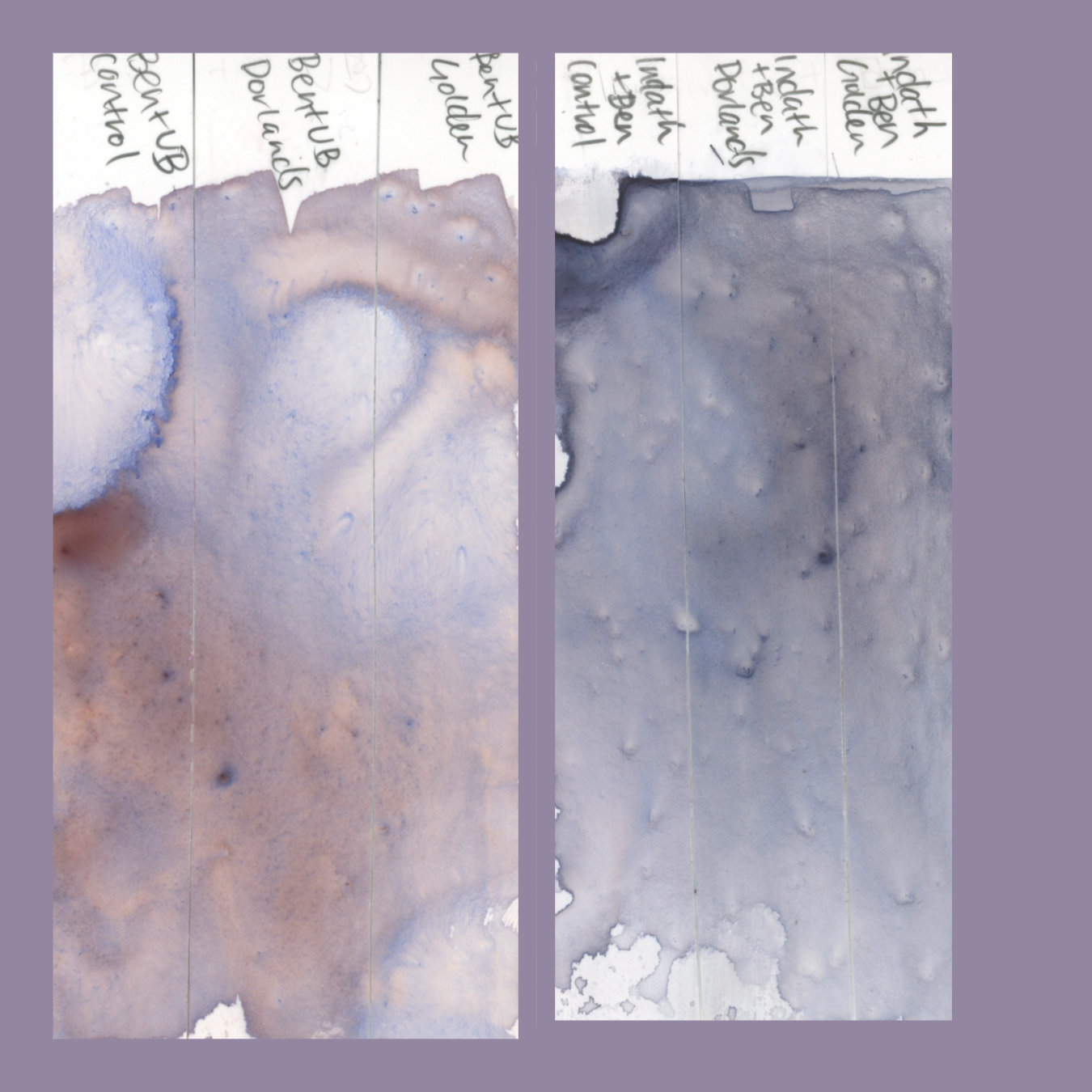
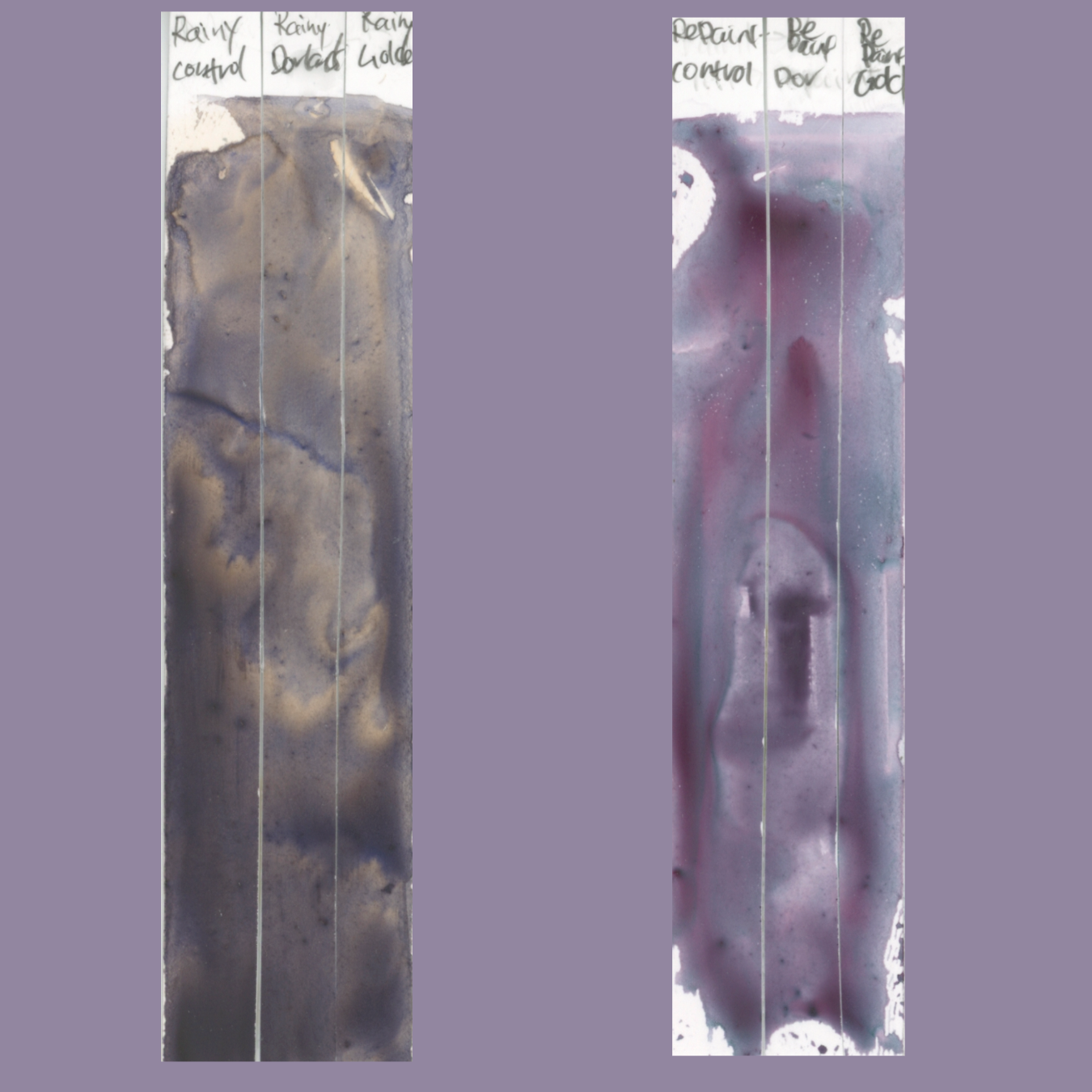
Water Test Results
This was the real question.
Could either finish actually protect the painting?
No Protection (Control)
The untreated Yupo behaved exactly how expected.
Water + rubbing removed the paint.
That is both the beauty and challenge of Yupo.
You can erase and repaint…
…but finished artwork remains vulnerable.
Dorland’s Wax
The wax protected the surface somewhat, but with my two-coat application, a small amount of pigment still lifted.
More coats may improve this, but for my process, I would want more testing before trusting it on a finished commission.
Golden Archival Spray
Golden performed the best in my test.
After the water test:
no visible lifting
pigment stayed stable
surface felt protected
If I had to choose one, this would currently be my choice.
So… Would I Varnish My Yupo Paintings?
My answer:
Sometimes.
For my original watercolor paintings, I still love the look and protection of traditional framing behind glass.
That remains my safest recommendation.
But if I wanted a modern presentation — for example:
mounting Yupo onto a cradled wood panel
no frame
no glass
I would consider using Golden Archival Spray Varnish based on this test.
Another option I love is creating high-quality giclée prints on canvas, especially when someone wants the look of my Yupo work without worrying about protecting the original surface.
Final Verdict
🏆 My choice: Golden Archival Spray Varnish
Best preservation of:
color
vibrancy
surface feel
Dorland’s Wax worked better than I expected, but personally changed the finish more than I prefer.
And framing?
Still the safest choice.